Connection: Dead Sea Scrolls, Luke’s Gospel, Quran on Jesus’ lineage from Aaron.


Azahari Hassim

The Dead Sea Scrolls foretell the coming of a priestly Messiah from the lineage of Aaron. Is it possible to explain the argument that Jesus was an Aaronic and priestly messiah instead of a Davidic and royal messiah, considering the connection between Mary and Elizabeth’s lineage, as mentioned in Luke 1, verse 5, and Luke 1, verse 36?

The Dead Sea Scrolls describe a priestly messiah descended from Aaron, the brother of Moses. Some scholars argue that Jesus may have been considered an Aaronic and priestly messiah, rather than a Davidic and royal messiah, due to the connection between the lineages of Mary and Elizabeth mentioned in the Gospel of Luke. Elizabeth was the mother of John the Baptist.

Luke 1, verse 5, states that Elizabeth was “of the daughters of Aaron“, while Luke 1, verse 36, mentions the relationship between Mary and Elizabeth, suggesting a priestly lineage for Jesus through his mother Mary.

Jesus’ lineage through his mother Mary is suggested that Mary’s lineage is connected to Aaron through her relative Elizabeth, who is described as being “of the daughters of Aaron”. This connection to the priestly line could be seen as fulfilling the Dead Sea Scrolls’ prediction of a priestly messiah who is a descendant of Aaron.

The Quran does not provide a detailed genealogy for Jesus, but links him with Mary, who is associated with the line of Imran, known in the Bible as Amram, the father of Aaron and Moses. This connection may lead to the belief that Jesus is traced back to Aaron and the Levite lineage.

Islamic scholars focus on Jesus’ prophethood and message rather than his lineage, unlike Christian scholars who emphasize the Davidic lineage. The Quran highlights Jesus and Mary’s piety and roles in God’s plan without emphasizing a Davidic or royal messianic lineage.
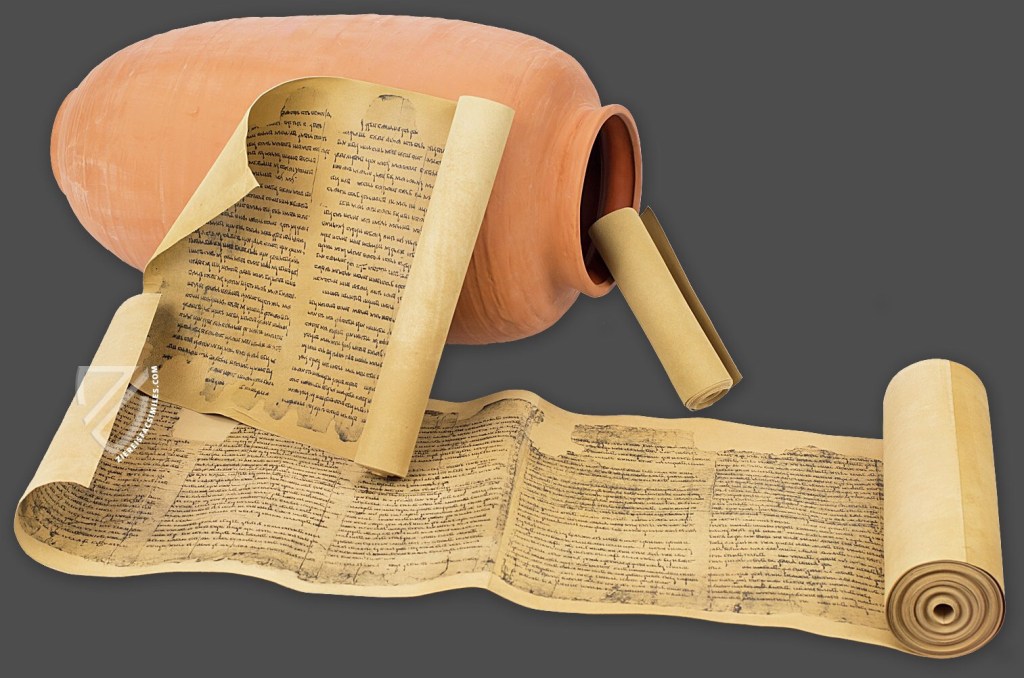
The Dead Sea Scrolls

The Dead Sea Scrolls are a collection of ancient Jewish texts discovered between 1947 and 1956 in the Qumran Caves near the Dead Sea, in what is now Israel. These scrolls date from the third century BCE to the first century CE and include a variety of writings, such as biblical texts, apocryphal works, and sectarian manuscripts associated with the Jewish community known as the Essenes.

Key points about the Dead Sea Scrolls:

  1. Historical Significance: The scrolls provide invaluable insights into the religious beliefs, practices, and daily life of Jewish communities during the Second Temple period. They also shed light on the development of early Judaism and the context of early Christianity.
  2. Biblical Texts: Many of the scrolls contain copies of books from the Hebrew Bible, including Isaiah, Psalms, and Deuteronomy. These texts are among the oldest known manuscripts of the Hebrew Bible and have contributed to the study of biblical textual criticism.
  3. Sectarian Writings: Some scrolls reflect the beliefs and rules of the Essenes, a Jewish sect that likely lived in Qumran. These writings include the Community Rule, which outlines the community’s regulations, and the War Scroll, which describes an apocalyptic battle.
  4. Language and Material: The scrolls are primarily written in Hebrew, Aramaic, and Greek, and they are made from materials such as parchment and papyrus.
  5. Preservation and Access: The scrolls were preserved in the dry climate of the region, and many have been digitized and made accessible to researchers and the public. Ongoing studies continue to reveal new insights about their content and context.

The Dead Sea Scrolls are considered one of the most significant archaeological discoveries of the 20th century, profoundly impacting the fields of biblical studies, archaeology, and the understanding of Jewish history.

The Value of the Masoretic Text and Dead Sea Scrolls in Christian Biblical Scholarship

Which holds greater reliability from a Christian standpoint: the Hebrew Masoretic Text or the Dead Sea Scrolls?

From a Christian standpoint, both the Hebrew Masoretic Text and the Dead Sea Scrolls hold significant value for understanding the reliability of the biblical texts.

The Masoretic Text is a medieval manuscript tradition that has been the basis for many modern Bible translations. It is highly valued for its meticulous preservation of the Hebrew text through the work of the Masoretes, Jewish scribes who developed a system of pronunciation and grammatical guides to ensure accurate transmission of the Scriptures.

On the other hand, the Dead Sea Scrolls, which are older than the Masoretic Text, contain portions of nearly every book of the Old Testament and provide a snapshot of biblical texts as they existed around the Second Temple period.

They have been instrumental in confirming the reliability of the biblical text over time and in some cases, have provided variants that have enriched the understanding of certain passages.

In essence, both the Masoretic Text and the Dead Sea Scrolls contribute to the Christian understanding of the Bible’s reliability, each offering unique insights and affirming the care with which the biblical texts have been transmitted through the centuries. Scholars often use both, along with other ancient manuscripts, to produce the most accurate text possible.

The Dead Sea Scrolls are particularly valued for their antiquity and for providing evidence of the biblical text’s consistency over time, while the Masoretic Text is appreciated for its detailed preservation of the traditional Hebrew text.

Understanding Jesus as Messiah: Differing Expectations in Jewish and Christian Beliefs

There is a belief that Jesus was a messiah in the same sense as other messiahs before him. Scripturally, Jesus was not the apocalyptic messiah who was predicted by the Hebrew prophets to establish God’s kingdom in the Holy Land. Could you kindly provide an explanation for the meaning of the preceding statement?

The belief that Jesus was a messiah in the same sense as other messiahs before him refers to the idea that he was seen as a savior figure who would bring about spiritual redemption and salvation. In this context, messiah is understood as a leader or deliverer chosen by God to fulfill a specific role in the divine plan.

However, scripturally speaking, Jesus was not the apocalyptic messiah that many Jews were expecting based on the prophecies found in Hebrew scriptures. The traditional Jewish understanding of the apocalyptic messiah was of a powerful political and military leader who would liberate Israel from its enemies, establish God’s kingdom on earth in the Holy Land, and rebuild the Holy Temple in Jerusalem.

Jesus’ teachings and actions did not align with these expectations of a conquering warrior king. Instead, he preached about love, forgiveness, and spiritual transformation. He emphasized inner righteousness over outward displays of power. This led many Jews to reject Jesus as their expected messiah, that is, the apocalyptic messiah.

In Christian theology, Jesus is believed to be the fulfillment of Old Testament prophecies in a different way than what was traditionally expected. Christians see Jesus as the ultimate savior who brings salvation through his sacrificial death and resurrection, rather than through political conquest.

So, when it is said that Jesus was not the apocalyptic messiah predicted by Hebrew prophets to establish God’s kingdom in the Holy Land, it means that his role and mission were different from what many people at that time were anticipating based on their interpretation of scripture.
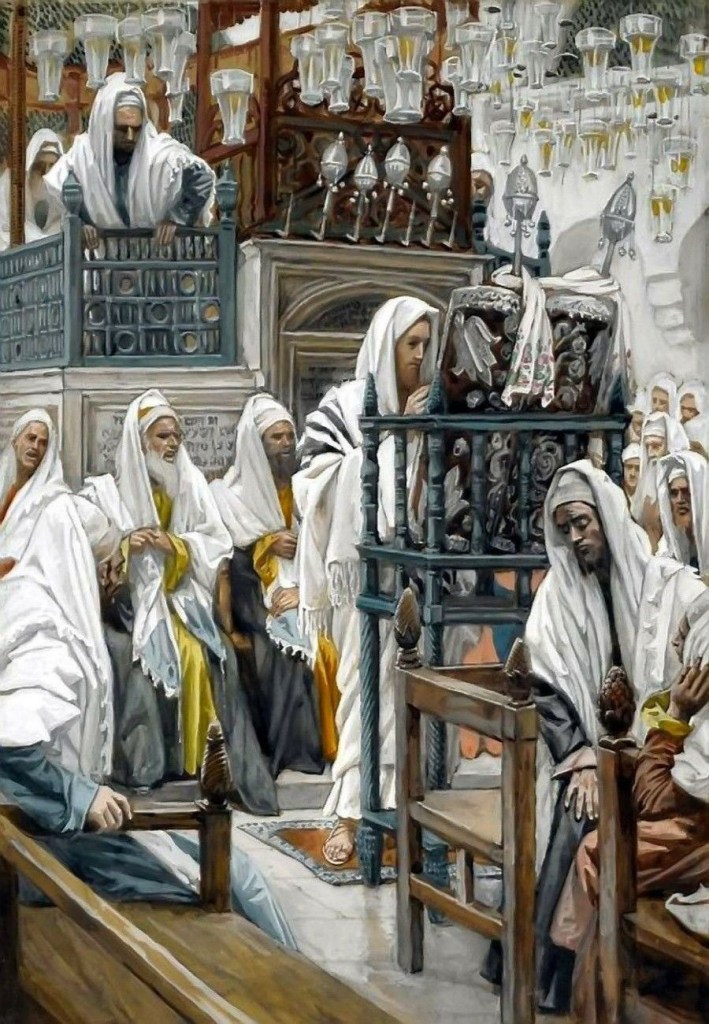
Who in the Old Testament is anointed with sacred oil to be God’s Messiah?

Numerous figures in the Old Testament were consecrated with holy oil to symbolize their appointment as holy messengers, commonly known as messiahs (anointed ones). Among them were:

  1. Kings: The most prominent examples are the kings of Israel and Judah. For instance:
    Saul: Anointed by the prophet Samuel to be the first king of Israel (1 Samuel 10, verse 1).
    David: Also anointed by Samuel to succeed Saul as king (1 Samuel 16, verse 13).
    Solomon: Anointed by the priest Zadok and the prophet Nathan to succeed David (1 Kings 1, verse 39).
  2. Priests: The high priests and their successors were also anointed with sacred oil, signifying their holy office. For example:
    Aaron: Anointed by Moses to serve as the first high priest (Leviticus 8, verse 12).
  3. Prophets: Occasionally, prophets were anointed to signify their special role and mission. For example:
    Elisha: Anointed by Elijah to be his successor as a prophet (1 Kings 19, verse 16).

In the Old Testament, the act of anointing priests, kings, and prophets with holy oil was a crucial ceremony that identified them as “messiahs” or “anointed ones” in their specific positions.
The term “Messiah” is not restricted to one person but refers to different individuals who are anointed for specific purposes as directed by God.
The Prophecy of John the Baptist: A Connection to Prophet Muhammad and the Baptism of Allah


Azahari Hassim

Mark 1, verse 6 to 8 reads:

John wore clothing made of camel’s hair, with a leather belt around his waist, and he ate locusts and wild honey.
And this was his message: “After me comes the one more powerful than I, the straps of whose sandals I am not worthy to stoop down and untie.
I baptize you with water, but he will baptize you with the Holy Spirit.”

Certain scholars contend that the aforementioned prophecy is not applicable to Jesus.

The very preposition “after” clearly excludes Jesus from being foretold by John Baptist. They were both contemporaries and born in one and the same year. “He that is coming after me” says John, “is stronger than I.” This “after” indicates the future to be at some indefinite distance; and in the prophetical language it expresses one or more cycles of time.

It was not Jesus Christ who could be intended by John, because if such were the case he would have followed Jesus and submitted to him like a disciple and a subordinate. But such was not the case. On the contrary, we find John preaching baptizing, receiving initiates and disciples, chastizing King Herod, scolding the Jewish hierarchy, and foretelling the coming of another Prophet “more powerful” than himself, without taking the least notice of the presence of his cousin in Judea or Galilee.

The fact that John while in prison sent his disciples to Jesus, asking him: “Art thou that Prophet who is to come, or shall we expect another one?” clearly shows that the Baptist did not know the gift of prophecy in Jesus until he heard – while in the prison – of his miracles.

This testimony of Matthew 11, verse 3 contradicts and invalidates that of the Fourth Gospel, where it is stated that the Baptist, on seeing Jesus, exclaimed: “Behold the Lamb of God that taketh away the sin of the world!” The fourth Evangelist knows nothing of the cruel martyrdom of John.

The Prophet predicted by John the Baptist was undoubtedly Prophet Muhammad. Surah 2, verse 138, refers to Muhammad as the fulfillment of John’s prophecy in Mark 1, verse 7 about the one who would “baptize with the Holy Spirit.” This verse, describing the صِبْغَةَ اللَّهِ (Sibghah Allah or “Baptism of Allah”), symbolizes the transformative spiritual immersion brought through Muhammad’s divine revelation, aligning with the deeper spiritual renewal foretold by John.

John the Baptist is an important figure in the Christian tradition, known for baptizing Jesus Christ and calling for repentance. In the Gospel of Mark (1:7), he refers to the coming of a greater figure after him who will “baptize with the Holy Spirit.”

In Islamic belief, some scholars interpret John’s prophecy as alluding to the advent of Prophet Muhammad, who is seen as a transformative figure. The argument posits that Muhammad fulfills this prophecy by bringing a revelation that immerses believers in a spiritual understanding and connection with God.

The Arabic term صِبْغَةَ (sibghah) found in Surah Al-Baqarah, verse 138, is a profound word that connects to concepts of spiritual purification and immersion. The verse reads:

صِبْغَةَ اللَّهِ ۖ وَمَنْ أَحْسَنُ مِنَ اللَّهِ صِبْغَةً ۖ وَنَحْنُ لَهُ عَابِدُونَ

“The Baptism of Allah. And who is better than Allah in Baptism. And we are worshippers of Him.”

Meaning of صِبْغَةَ (Sibghah)

The word صِبْغَةَ primarily means “to dye” or “to immersed.” In this context, it metaphorically conveys a form of complete immersion or transformation into the divine nature and guidance of Allah. The act of being “dyed” or “immersed” by the صِبْغَةَ اللَّهِ (Sibghah of Allah) symbolizes adopting and immersing oneself fully in the religion and guidance of Allah.

Connection to Baptism and Immersion

  1. Baptism – The term “baptism” originates from the Greek word βάπτισμα (baptisma), meaning “to immerse” or “to submerge.” In Christian tradition, baptism represents the act of cleansing and spiritual rebirth by immersing in water, symbolizing purification and renewal.
  2. Immersion – Both the Arabic term صِبْغَةَ and the Greek βάπτισμα convey a sense of being completely enveloped or immersed. In the case of صِبْغَةَ اللَّهِ, the immersion is not physical but a complete and transformative acceptance of the faith, values, and divine teachings of Allah.

Who Was John the Baptist in the Context of Judaism?

John the Baptist (Yochanan the Immerser in Hebrew)

Heritage and Family Background:

John the Baptist was born into a Jewish priestly family. His father, Zechariah, served as a priest in the Temple, which positions John within the religious elite of ancient Jewish society. This priestly lineage provided him with a deeply rooted connection to Jewish religious practices and customs.

Jewish Context of His Ministry:

John’s ministry took place within the context of Second Temple Judaism. He practiced and preached in the same cultural and religious milieu that was characterized by various Jewish sects, such as the Pharisees and Sadducees. His teachings were steeped in Jewish traditions and scripture.

Call for Repentance and Ritual Immersion:

He is known for his call for repentance, urging people to return to God and prepare for the coming of the Messiah. John emphasized the importance of spiritual renewal and moral rectification. His practice of ritual immersion (Tevilah) served as a symbol of purification, and it was a well-established Jewish practice to cleanse oneself in water as part of repentance rituals.

Adherence to Jewish Religious Framework:

Throughout his life and ministry, John operated entirely within the Jewish religious framework of his time. His teachings and actions were aligned with Jewish Law (Halacha) and the prophetic traditions of the Hebrew Bible. He did not advocate for the creation of a new religious system but rather sought to reform and renew Jewish faith and practice.

Judaism’s Perspective on John the Baptist:

In Jewish tradition, John the Baptist is not recognized as a prophet. While his role as a preacher and reformer is acknowledged, Judaism does not view him as a divinely appointed prophet akin to figures such as Moses, Isaiah, or Jeremiah. The criteria for prophethood in Judaism are specific and include direct revelation from God, which John does not fulfill according to traditional Jewish beliefs.

Conclusion:

In summary, John the Baptist is regarded as a significant religious figure within the context of Judaism, recognized for his calls to repentance and his role as a precursor to Jesus in Christian tradition. However, he is firmly rooted in the Jewish religious context and is not considered the founder of a new faith or as a prophet in Judaism.

The Prophesied Prophet: Bridging Deuteronomy, Isaiah, the Gospel of John, and the Quran

The prophecy of the Servant in Isaiah 42 and the mention of the Paraclete or Spirit of truth in John 16:13 are believed to refer to the “Prophet like Moses” foretold in Deuteronomy 18:18. Scholars studying the Dead Sea Scrolls have identified this figure as a prophetic Messiah or Messianic prophet.

This “new Moses,” as prophesied by Moses, elaborated by Isaiah, proclaimed by Jesus, and awaited by the Samaritans, is understood by Muslims to be none other than the Prophet of Islam. The Qur’an testifies to this in Sura 7:157, which states:

“Those who follow the Messenger, the unlettered prophet, whom they find written in what they have of the Torah and the Gospel, who enjoins upon them what is right and forbids them what is wrong, and makes lawful for them the good things and prohibits for them the evil, and relieves them of their burden and the shackles which were upon them. So they who have believed in him, honored him, supported him, and followed the light which was sent down with him—it is they who will be successful.”

Muslims believe that Muhammad fulfills the characteristics of this prophesied figure, one who would guide humanity towards righteousness and truth.

Connections in the Gospel of John

Several verses in the Gospel of John provide additional evidence of this awaited figure:

  1. John 1:21: When John the Baptist is questioned, he is asked, “Are you the Prophet?” This question indicates that there was an expectation among the Jewish people of a prophet who was distinct from the Messiah. Muslims interpret this figure as Muhammad, the “Prophet like Moses” foretold in Deuteronomy 18:18.
  2. John 6:14: After witnessing Jesus’ miracle of feeding the five thousand, the people say, “This is truly the Prophet who is to come into the world.” This statement reflects a continuing expectation of a prophet who would fulfill the role outlined in Deuteronomy 18:18, and Muslims connect this expectation to Muhammad.
  3. John 7:40: During Jesus’ ministry, some of the crowd exclaim, “This is truly the Prophet.” This again highlights the anticipation of a prophet who would come after Jesus. Muslims interpret these statements as pointing to Muhammad, who they believe completed the prophetic mission initiated by Moses and proclaimed by Jesus.

The Jewish expectation of a prophet, as seen in John 1:21, John 6:14, and John 7:40, is closely connected to the Paraclete described by Jesus in John 16:13. Both figures are portrayed as divinely guided messengers who convey God’s words and truth to humanity. Muslims interpret these passages as consistent with the Islamic understanding of Muhammad as the fulfillment of Deuteronomy 18:18, completing the prophetic mission initiated by Moses and carried forward by Jesus. In this view, the Paraclete is not the Holy Spirit but rather a human prophet who fulfills these biblical prophecies.

It is significant to note that nowhere in the Gospels does Jesus explicitly claim to be the prophet predicted by Moses in Deuteronomy 18:18. Instead, his mission is often described in terms that align more closely with his role as the Messiah. This distinction leaves open the possibility of another figure fulfilling the role of the prophet like Moses, as anticipated in Jewish and Samaritan traditions and interpreted by Muslims to refer to Muhammad.

Bridging Religious Traditions

The connection between these religious texts highlights a common thread running through different faith traditions. The prophecies in Deuteronomy, Isaiah, and the Gospel of John, along with the confirmation in the Qur’an, point to a promised figure who will guide people toward righteousness and truth. The recognition of Muhammad as this prophesied figure serves as a bridge between the Abrahamic faiths, emphasizing shared values of morality, spirituality, and devotion to God.

By identifying Muhammad as the Prophet foretold in the Torah and Gospel, Muslims find confirmation of their faith within earlier scriptures, fostering a deeper sense of continuity and shared spiritual heritage among the monotheistic traditions.

Islam: Restoration of Abrahamic Faith – Theological Perspectives and Historical Claims

Islam is often regarded as a restored religion of Abraham, a belief held by its followers who argue that both Judaism and Christianity have deviated from the original teachings that Abraham imparted. This perspective is rooted in the Islamic understanding of religious history and the role of prophets, which includes a staunch belief in the oneness of God (Tawhid) and a commitment to following the path laid down by earlier prophets.

Adherents of Islam assert that Judaism has altered the narrative surrounding the sacrifice of Abraham’s son. In the Islamic tradition, it is believed that the son intended for sacrifice was Ishmael, rather than Isaac. This belief is significant in Islamic theology as it emphasizes Ishmael’s importance in the lineage of prophets, particularly because he is considered an ancestor of the Prophet Muhammad. This interpretation contrasts with the Jewish tradition, which identifies Isaac as the significant figure in this narrative. The Islamic stance highlights the idea that the earlier teachings regarding the significance of sacrifice and obedience to God have been misrepresented or transformed over time within the Jewish faith.

Moreover, Islam critiques Christianity for departing from strict monotheism by introducing the doctrine of the Trinity, which represents God as three distinct persons in one essence: the Father, the Son, and the Holy Spirit. From the Islamic perspective, this concept compromises the fundamental belief in the absolute oneness of God, which is a core tenet of Islam. Furthermore, followers of Islam believe that Christianity has altered certain religious practices, including the practice of circumcision, which is seen in the Jewish tradition as a covenantal sign between God and Abraham’s descendants. Muslims maintain that these modifications reflect a broader deviation from the original teachings provided to Abraham and the subsequent prophets.

In essence, from the Islamic viewpoint, Islam is viewed as the true restoration of the teachings of Abraham and the final message of God. This belief is prominently articulated in the Quran, which Muslims regard as the literal word of God as revealed to Muhammad. The Quran not only upholds the messages and doctrines of previous prophets but also clarifies perceived distortions in their teachings, reaffirming the importance of monotheism and a direct relationship with God without intermediaries. Thus, Islamic theology sees itself as the culmination and fulfillment of the divine guidance that began with Abraham, aiming to correct and restore the spiritual path for humanity as intended by the Creator.

The Prophesied Prophet: Bridging Deuteronomy, Isaiah, the Gospel of John, and the Quran


Azahari Hassim

The prophecy of the Servant in Isaiah 42 and the mention of the Paraclete or Spirit of truth in John 16:13 are believed to refer to the “Prophet like Moses” foretold in Deuteronomy 18:18. Scholars studying the Dead Sea Scrolls have identified this figure as a prophetic Messiah or Messianic prophet.

This “new Moses,” as prophesied by Moses, elaborated by Isaiah, proclaimed by Jesus, and awaited by the Samaritans, is understood by Muslims to be none other than the Prophet of Islam. The Qur’an testifies to this in Sura 7:157, which states:

“Those who follow the Messenger, the unlettered prophet, whom they find written in what they have of the Torah and the Gospel, who enjoins upon them what is right and forbids them what is wrong, and makes lawful for them the good things and prohibits for them the evil, and relieves them of their burden and the shackles which were upon them. So they who have believed in him, honored him, supported him, and followed the light which was sent down with him—it is they who will be successful.”

Muslims believe that Muhammad fulfills the characteristics of this prophesied figure, one who would guide humanity towards righteousness and truth.

Connections in the Gospel of John

Several verses in the Gospel of John provide additional evidence of this awaited figure:

  1. John 1:21: When John the Baptist is questioned, he is asked, “Are you the Prophet?” This question indicates that there was an expectation among the Jewish people of a prophet who was distinct from the Messiah. Muslims interpret this figure as Muhammad, the “Prophet like Moses” foretold in Deuteronomy 18:18.
  2. John 6:14: After witnessing Jesus’ miracle of feeding the five thousand, the people say, “This is truly the Prophet who is to come into the world.” This statement reflects a continuing expectation of a prophet who would fulfill the role outlined in Deuteronomy 18:18, and Muslims connect this expectation to Muhammad.
  3. John 7:40: During Jesus’ ministry, some of the crowd exclaim, “This is truly the Prophet.” This again highlights the anticipation of a prophet who would come after Jesus. Muslims interpret these statements as pointing to Muhammad, who they believe completed the prophetic mission initiated by Moses and proclaimed by Jesus.

The Jewish expectation of a prophet, as seen in John 1:21, John 6:14, and John 7:40, is closely connected to the Paraclete described by Jesus in John 16:13. Both figures are portrayed as divinely guided messengers who convey God’s words and truth to humanity. Muslims interpret these passages as consistent with the Islamic understanding of Muhammad as the fulfillment of Deuteronomy 18:18, completing the prophetic mission initiated by Moses and carried forward by Jesus. In this view, the Paraclete is not the Holy Spirit but rather a human prophet who fulfills these biblical prophecies.

It is significant to note that nowhere in the Gospels does Jesus explicitly claim to be the prophet predicted by Moses in Deuteronomy 18:18. Instead, his mission is often described in terms that align more closely with his role as the Messiah. This distinction leaves open the possibility of another figure fulfilling the role of the prophet like Moses, as anticipated in Jewish and Samaritan traditions and interpreted by Muslims to refer to Muhammad.

Bridging Religious Traditions

The connection between these religious texts highlights a common thread running through different faith traditions. The prophecies in Deuteronomy, Isaiah, and the Gospel of John, along with the confirmation in the Qur’an, point to a promised figure who will guide people toward righteousness and truth. The recognition of Muhammad as this prophesied figure serves as a bridge between the Abrahamic faiths, emphasizing shared values of morality, spirituality, and devotion to God.

By identifying Muhammad as the Prophet foretold in the Torah and Gospel, Muslims find confirmation of their faith within earlier scriptures, fostering a deeper sense of continuity and shared spiritual heritage among the monotheistic traditions.

Montanism and the human Paraclete

How did the Montanists believe in the human Paraclete and regard their founder as such?

The Montanists were a Christian sect that emerged in the late 2nd century, founded by Montanus, who claimed to be a prophet and the mouthpiece of the Holy Spirit.

Montanism emerged as a significant and controversial movement within early Christianity, and it was recognized by many mainstream Christian authorities of the time as a heretical group.

The movement was characterized by the belief that Montanus himself was the embodiment of the Paraclete, or the Holy Spirit, which Jesus promised in the Gospel of John. This belief in Montanus as a prophetic figure who would deliver new revelations and guidance was central to Montanism and contributed to its contentious relationship with established Christian orthodoxy.

Montanus, along with his followers, including two prophetesses named Prisca (or Priscilla) and Maximilla, claimed to receive direct revelations from the Holy Spirit.

This belief in Montanus as the human Paraclete was central to their teachings. They saw him as the final and ultimate revelation of the Holy Spirit, which they referred to as the “New Prophecy.” This new revelation was considered a continuation and fulfillment of the teachings of Christ and the Apostles.

This is a complex theological topic that has been debated by scholars. Here’s an overview of the different perspectives:


The traditional Christian interpretation:
Most Christian theologians and denominations interpret John 16:13 as referring to the Holy Spirit.

In this view, Jesus is describing the role of the Holy Spirit who will come after his departure. The Spirit speaks what he “hears” from the Father and Son, not on his own authority, emphasizing the unity of purpose within the Trinity.


The argument for a human paraclete:
Some scholars have proposed that this verse could be referring to a human prophet or messenger rather than the divine Holy Spirit. Their arguments include:

  1. The language of “not speaking on his own” and “speaking only what he hears” seems more fitting for a human prophet acting as God’s mouthpiece.
  2. In various religious traditions, particularly within Islam, this verse has been interpreted as a prophecy regarding a forthcoming human messenger. Some interpretations indicate that this messenger is, in fact, Muhammad.
  3. The Greek word “parakletos” (translated as Helper, Advocate, or Comforter) could potentially refer to a human figure.

Islamic Correlation

An interesting parallel can be drawn from Quranic references. Surah 61, verse 6 states:

“And when Jesus son of Mary said, ‘Children of Israel, I am indeed the Messenger of God to you, confirming the Torah that is before me, and giving good tidings of a Messenger who shall come after me, whose name shall be Ahmad.’ Then, when he brought them the clear signs, they said, ‘This is a manifest sorcery.’”

This verse suggests the idea of a human messenger after Jesus, reinforcing the argument for alternative interpretations of the Paraclete concept.

The Potential Link Between Isaiah 42 and the Prophet Foretold in Deuteronomy 18:18

Some argue Isaiah 42 might be referring to the prophet prophesied by Moses in Deuteronomy 18, verse 18. How is their interpretation presented?

Some scholars believe that Isaiah 42 is referring to a prophet who was prophesied by Moses in Deuteronomy 18, verse 18. In Deuteronomy, Moses predicts that God will raise up a prophet like him from among the brethren of the Israelites, and whoever does not listen to this prophet will be held accountable.

In Isaiah 42, the passage describes a servant of God who will bring justice to the nations and establish righteousness on earth. This servant is described as being chosen by God and having a special relationship with Him. Some argue that this description aligns with the characteristics of the prophet foretold by Moses. They believe that the servant in Isaiah is seen as a messianic figure.

The interpretation presented by those who believe Isaiah 42 refers to the prophet mentioned in Deuteronomy 18, verse 18, is based on similarities between the descriptions of both figures in their respective passages. They argue that these similarities suggest a connection between the two prophecies and point to a fulfillment of Moses’ prediction in Isaiah’s prophecy.

Muhammad is identified as a servant of Allah in the Quran. There are those who posit that the reference to the servant of the Lord in Isaiah 42, specifically verse 11 which mentions Kedar, may be alluding to Muhammad. How do they present and support this argument?

Those who posit that the reference to the servant of the Lord in Isaiah 42, specifically mentioning Kedar, may be alluding to Muhammad, often present and support this argument based on several key points:

  1. Kedar’s Descendants: In Isaiah 42, verse 11, it mentions Kedar, who was the second son of Ishmael and, according to Islamic tradition, is considered the ancestor of the Arabs. The argument is that since Muhammad was an Arab, and he came from the lineage associated with Kedar, this reference could be an allusion to him.
  2. Characteristics of the Servant: The description of the servant in Isaiah 42 aligns with certain traits that are associated with Muhammad in Islamic tradition. The servant is described as bringing a new law, being a light for the nations, and engaging in conquest and warfare. Proponents of this argument argue that these attributes are consistent with the mission and actions of Muhammad.
  3. Similarities in Language and Prophecies: Some commentators draw parallels between the language used in Isaiah 42 and certain prophecies and descriptions related to Muhammad in Islamic sources. They argue that linguistic and conceptual similarities between Isaiah 42 and Islamic teachings support the idea that Muhammad is the servant referenced in the passage.
  4. Connection to Monotheism: Proponents of this argument also highlight the emphasis on monotheism in Isaiah 42, which they relate to the monotheistic message of Islam and the role of Muhammad as a carrier of the monotheistic faith in the Arabian Peninsula.

It’s important to note that this interpretation is based on a specific reading of the text and is subject to debate and interpretation within different religious traditions. Not all scholars or religious authorities agree with this perspective, and there are varied understandings of the meanings and implications of the servant mentioned in Isaiah 42. Different religious communities and denominations may have distinct interpretations of these passages based on their particular religious and theological frameworks.

Do the Khazars have a direct lineage to numerous contemporary Jewish populations?


Azahari Hassim

Some argue that the Khazars are the ancestors of many modern Jews, particularly those of Ashkenazi descent, and that their conversion to Judaism has resulted in a special attachment to the Holy Land and Jerusalem. How does their argument go?

The argument that the Khazars are the ancestors of many modern Jews, particularly Ashkenazi Jews, provides a fascinating historical perspective on Jewish ancestry and the attachment to the Holy Land. Proponents of this view trace the lineage of a significant portion of modern Jews to the Khazar Empire and its conversion to Judaism, which resulted in a lasting connection to Jerusalem and the land of Israel.

The Khazars were a powerful Turkic people who established an empire in modern-day Russia, Ukraine, and the Caucasus between the 7th and 10th centuries. In the 8th or 9th century, many Khazars converted to Judaism as a strategic move to position themselves between the Christian Byzantine Empire and Islamic Caliphates.

Many historians argue that the Khazar conversion to Judaism involved large segments of the population, not just the nobility. The Khazars eventually became a Jewish nation, practicing Jewish laws and customs. This made them a unique case of a Jewish state in Eastern Europe, far from traditional Jewish centers.

After the Khazar Empire fell in the 10th century, many Jewish Khazars migrated westward into Europe, settling in regions like Poland, Ukraine, and Hungary. They eventually became the ancestors of the Ashkenazi Jewish population in Eastern Europe.

The Khazar origin of many Ashkenazi Jews contributed to the growth of Jewish populations in Eastern Europe during the Middle Ages. The migration of Khazars after their empire fell, along with their established Jewish identity, helped establish Jewish life in these areas. Some believe a significant portion of Ashkenazi Jews can trace their roots back to Khazar ancestry, as they integrated into the broader Jewish world and contributed to Jewish culture and practices.

The Khazar conversion to Judaism instilled in them the central tenets of the faith, including the importance of the Holy Land and Jerusalem. This connection was passed down through generations, leading to a special attachment among their descendants—modern Ashkenazi Jews—to Israel. The Khazar lineage reinforced a sense of Jewish identity that maintained a longing for the Holy Land even while living in diaspora.

The Khazar ancestry theory explains the strong connection between Ashkenazi Jews and Israel. It suggests that many Ashkenazi Jews are descended from the Khazars, who converted to Judaism centuries ago, creating a historical and religious bond with Jerusalem and Israel.


The Khazar theory enhances Jewish history by showing how different peoples have contributed to the Jewish diaspora while maintaining a shared religious and cultural heritage centered on the Holy Land. The Khazars played a key role in shaping Eastern European Jews, particularly Ashkenazi Jews, and their conversion to Judaism created a lasting connection to the Holy Land that still impacts Jewish identity.

Do Gog and its allies embrace Judaism?

Some believe Gog, mentioned in the Book of Ezekiel that invades the Holy Land, is the nation that converted to Judaism. They obsess over the Holy Land and Jerusalem due to their conversion. How is this argument explained?

The interpretation you are referring to suggests that Gog, the mentioned invader in the Book of Ezekiel, represents a nation that converted to Judaism and subsequently develops an obsession with the Holy Land and Jerusalem. It is important to note that this interpretation is not universally accepted and represents a specific perspective among certain individuals or groups.

Those who hold this viewpoint often base their argument on various passages from the Old Testament, particularly Ezekiel 38-39. They claim that Gog and its allies, portrayed as invading forces, could symbolize a nation that is intimately connected to or influenced by Judaism.

Supporters of this interpretation suggest that the nation’s conversion to Judaism might influence its territorial ambitions, particularly towards the Holy Land and Jerusalem. They argue that this conversion leads to a deep attachment to the land and a desire to possess it for religious or messianic reasons.

However, it is crucial to acknowledge that this specific interpretation is speculative and there are alternative explanations for the meaning and identity of Gog presented in various schools of thought. Different religious traditions and scholars may offer diverging perspectives on the subject matter.

As with any interpretive claim, it is essential to critically evaluate the evidence and consider a range of viewpoints to gain a comprehensive understanding of different perspectives on the topic.

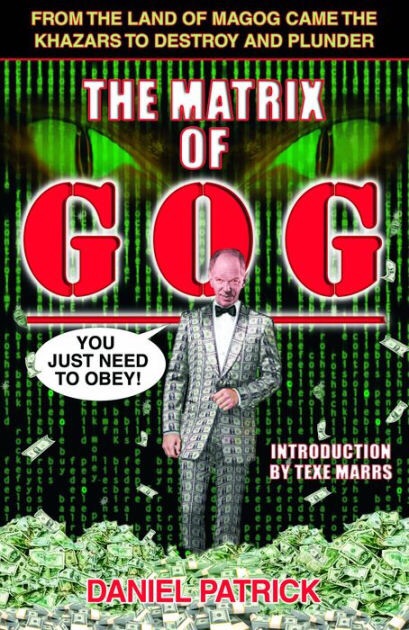
The Matrix of Gog

Who is the author of the book “The Matrix of Gog”?

The author of the book is Daniel Patrick.

According to the author, who is Gog?

According to the author, Gog is the demonic leader or king of the land of Khazaria, which is the country of origin for today’s “Jews.” The book “The Matrix of Gog” informs us about Gog, Magog, and the Jews, revealing that today’s “Jews” are the “Synagogue of Satan” as mentioned in Revelation 2 and 3.

According to the author, who are the present-day descendants of the ancient Israelites?

According to the author, the present-day descendants of the ancient Israelites are not the majority of Jews, but rather some Palestinians who have more Israelite blood than the Jews. Some Palestinians even have DNA markers that establish them as descendants of the ancient priests who worked in the Jewish temples and synagogues.

In what way does “The Matrix of Gog” establish a connection between Khazars and Gog from the land of Magog?

The book “The Matrix of Gog” establishes a connection between Khazars and Gog from the land of Magog by revealing that Gog is the demonic leader or king of Khazaria, which is located in the Caucasus, south of Russia. It explains that the people we call “Jews” today are actually of the Turkic bloodline and not descendants of Abraham, Israelites, or Semites.

The book informs us about Gog, Magog, and the Jews, showing that the Holy Bible is accurate in its depiction. Additionally, it delves into the lineage of Togarmah, who is related to Magog and Ashkenaz, giving insight into the origins of the Khazars and their connection to the Ashkenazi Jews.

The perspective of the author towards Palestinians is what exactly?

The perspective of the author towards Palestinians is that they had more Israelite blood than the Jews themselves, and some Palestinians even had DNA that established they were ‘Cohens’ – workers at the ancient Temple and synagogues of the Jews.

What is the author’s perspective towards Ashkenazi Jews?

The author’s perspective towards Ashkenazi Jews is critical, as they view revealing books on the origins of Ashkenazi Jewry as a “Frankenstein nightmare” that won’t die despite attempts to suppress it in the media. The author also mentions a book by Dr. Paul Wexler that challenges Zionist beliefs about Ashkenazi Jews. Additionally, the author discusses the Khazar mass migration into Eastern Europe and the DNA research findings that suggest most Jews came from Khazar blood.

What are the ten lost tribes of Israel?

Azahari Hassim

The ten lost tribes of Israel refer to the ten of the twelve tribes of ancient Israel that were said to have been deported from the Kingdom of Israel after it was conquered by the Neo-Assyrian Empire around 722 BCE. These tribes are:

  1. Reuben
  2. Simeon
  3. Dan
  4. Naphtali
  5. Gad
  6. Asher
  7. Issachar
  8. Zebulun
  9. Manasseh
  10. Ephraim

The remaining two tribes, Judah and Benjamin, along with some members of the priestly tribe of Levi, formed the southern Kingdom of Judah.

According to the Bible, the ten tribes were exiled to various locations including Halah, Habor, the cities of the Medes, and along the Gozan River. These areas are generally understood to be in parts of modern-day Syria, Iraq, and Iran.

The ultimate fate of the ten lost tribes is a matter of much speculation. The Jewish historian Josephus wrote in the 1st century CE that the ten tribes existed in great numbers beyond the Euphrates River. Some legends state they were exiled beyond the mythical Sambatyon River and have been unable to return.

Over the centuries, many groups around the world have claimed descent from the lost tribes, including the Pashtun tribes of Afghanistan and Pakistan, the Igbo Jews of Nigeria, and the Beta Israel of Ethiopia, among others. However, most historians believe the deported tribes were assimilated into the local populations of the lands to which they were exiled.

Jewish tradition maintains that the ten lost tribes will return to Israel with the coming of the Messiah. So while considered “lost” to history, they are not considered lost permanently or irretrievably in Jewish theology. The search for the lost tribes continues to fascinate many to this day.


The Hindu Kush mountains stretch between Afghanistan and Pakistan

There is a fascinating theory, supported by some evidence, that the Pathans may be descendants of the lost tribes of Israel.

The Pathans, also known as Pashtuns or Afghans, are an ethnic group of approximately 50 million people primarily living in Afghanistan and Pakistan.

The Pathans have several cultural and historical elements that suggest a possible connection to ancient Israelites:

  1. Self-identification: Many Pathans refer to themselves as “Bani Israel” or “Sons of Israel”.
  2. Tribal names: Some Pathan tribal names bear striking similarities to the names of Israelite tribes. For example, Rabbani (Reuben), Shinwari (Simeon), Levani (Levi), Daftani (Naphtali), Jaji (Gad), Ashuri (Asher), Yusufzai (Joseph), and Afridi (Ephraim).
  3. Genealogical records: The Pathans maintain detailed genealogical records called “shijra,” some of which claim to trace their lineage back to ancient Israelite figures.
  4. Customs: Some Pathan customs resemble Jewish practices, such as:
    • Lighting candles on Friday evenings
    • Avoiding mixing meat and milk
    • Circumcising male children within the first week of life
    • Having a “sandek” (similar to a Jewish godfather) hold the infant during circumcision.
  5. Physical appearance: Some Pathans have been noted to have Semitic features and wear sidelocks and beards, similar to traditional Jewish appearance.

Royal Lineage Claim

There is a tradition among some Pathans that the former Afghan monarchy was descended from the tribe of Benjamin and the family of King Saul. According to this tradition:

King Saul had a son named Jeremia and a grandson named Afghana.
Afghana was raised in King David’s court and remained there during Solomon’s reign.
Centuries later, during Nebuchadnezzar’s time, the Afghana family fled to the Gur region (central Afghanistan).

Scholarly Perspectives

While the theory of Pathan-Israelite connection is intriguing, it remains controversial among scholars:

Rabbi Eliyahu Avichail has extensively researched this topic and supports the connection.
Dr. Shalva Weil, an anthropologist from Hebrew University, acknowledges that there is more convincing evidence for the Pathan-Israelite connection than for other groups claiming Israelite descent.
Some researchers suggest that the similarities could be due to interactions with Jewish traders and administrators along the Silk Road rather than direct descent.

Conclusion

While the evidence is not conclusive, the cultural, historical, and genealogical connections between the Pathans and ancient Israelites are certainly intriguing. Further research and possibly genetic studies may provide more definitive answers about the origins of the Pathan people and their potential connection to the lost tribes of Israel.

The Pathans and the Lost Tribes of Israel: Exploring a Historical and Biblical Theory

Some Rabbis believe that the Pathans are among the lost tribes of Israel. What is the basis for this argument?

According to some Rabbis, the belief that Pathans are among the lost tribes of Israel is based on historical and biblical connections. The argument suggests that after the Assyrians conquered the northern kingdom of Israel in 722 BCE, the ten tribes living there were dispersed and integrated into different nations.

This theory proposes that one of these tribes, known as the tribe of Ephraim, migrated eastward and settled in the region that is now Afghanistan and Pakistan, where the Pathan people currently reside. Various factors support this belief, including linguistic similarities between Hebrew and certain Pathan dialects, as well as cultural practices and customs that resemble Jewish traditions.

Furthermore, proponents of this hypothesis highlight historical accounts of Jewish merchants and travelers encountering Jewish-like communities in the Pathan-inhabited area. Some even claim that these communities maintained Jewish religious practices and retained knowledge of their Israelite origins.

While not universally accepted, this theory holds appeal for certain Rabbis and scholars as it offers a potential explanation for the mystery surrounding the lost tribes of Israel. It also emphasizes the endurance and preservation of Jewish identity among diverse groups throughout history.

Do the Khazars have a direct lineage to numerous contemporary Jewish populations?

Some argue that the Khazars are the ancestors of many modern Jews, particularly those of Ashkenazi descent, and that their conversion to Judaism has resulted in a special attachment to the Holy Land and Jerusalem. How does their argument go?

The argument that the Khazars are the ancestors of many modern Jews, particularly Ashkenazi Jews, provides a fascinating historical perspective on Jewish ancestry and the attachment to the Holy Land. Proponents of this view trace the lineage of a significant portion of modern Jews to the Khazar Empire and its conversion to Judaism, which resulted in a lasting connection to Jerusalem and the land of Israel.

The Khazars were a powerful Turkic people who established an empire in modern-day Russia, Ukraine, and the Caucasus between the 7th and 10th centuries. In the 8th or 9th century, many Khazars converted to Judaism as a strategic move to position themselves between the Christian Byzantine Empire and Islamic Caliphates.

Many historians argue that the Khazar conversion to Judaism involved large segments of the population, not just the nobility. The Khazars eventually became a Jewish nation, practicing Jewish laws and customs. This made them a unique case of a Jewish state in Eastern Europe, far from traditional Jewish centers.

After the Khazar Empire fell in the 10th century, many Jewish Khazars migrated westward into Europe, settling in regions like Poland, Ukraine, and Hungary. They eventually became the ancestors of the Ashkenazi Jewish population in Eastern Europe.

The Khazar origin of many Ashkenazi Jews contributed to the growth of Jewish populations in Eastern Europe during the Middle Ages. The migration of Khazars after their empire fell, along with their established Jewish identity, helped establish Jewish life in these areas. Some believe a significant portion of Ashkenazi Jews can trace their roots back to Khazar ancestry, as they integrated into the broader Jewish world and contributed to Jewish culture and practices.

The Khazar conversion to Judaism instilled in them the central tenets of the faith, including the importance of the Holy Land and Jerusalem. This connection was passed down through generations, leading to a special attachment among their descendants—modern Ashkenazi Jews—to Israel. The Khazar lineage reinforced a sense of Jewish identity that maintained a longing for the Holy Land even while living in diaspora.

The Khazar ancestry theory explains the strong connection between Ashkenazi Jews and Israel. It suggests that many Ashkenazi Jews are descended from the Khazars, who converted to Judaism centuries ago, creating a historical and religious bond with Jerusalem and Israel.
The Khazar theory enhances Jewish history by showing how different peoples have contributed to the Jewish diaspora while maintaining a shared religious and cultural heritage centered on the Holy Land. The Khazars played a key role in shaping Eastern European Jews, particularly Ashkenazi Jews, and their conversion to Judaism created a lasting connection to the Holy Land that still impacts Jewish identity.

Did Jesus Foretell a Human Successor Rather Than the Holy Spirit?


Azahari Hassim

Certain scholars propose that Jesus may have foretold his successor, the Paraclete, as a human prophet rather than the Holy Spirit.

This interpretation arises from a detailed analysis of biblical passages, particularly John 16, verse 13, where Jesus states:

“For he will not speak on his own, but he will speak whatever he hears.”

Scholars argue that this description more closely aligns with the characteristics of a human prophet who receives divine messages and conveys them to others.

Ambiguity in the Pronoun “He”

The use of the pronoun “he” in John 16, verse 13 is seen by some as ambiguous, leaving room for interpretation. Rather than exclusively referring to a non-human entity like the Holy Spirit, this phrasing could also describe a human figure. According to this view, Jesus may have alluded to a forthcoming prophetic voice of human origin, who would take on the role of guiding humanity after his departure.

The Prophetic Connection to Deuteronomy 18, verse 18

Supporters of this interpretation often point to Deuteronomy 18, verse 18, where God promises to raise up a prophet like Moses from among their brothers:

“I will raise up for them a prophet like you from among their brethren; I will put my words in his mouth, and he will tell them everything I command him.”

This passage is interpreted by some as a foundational prophecy that envisions a sequence of human prophets chosen by God to lead His people. These scholars suggest that Jesus may have been positioning himself as part of this prophetic lineage, with a successor yet to come who would also serve as a human intermediary between God and humanity.

Contextualizing the Prophetic Role

Proponents of this perspective argue that their interpretation aligns more closely with the broader context of biblical prophecy and teachings about prophetic figures. They see parallels between Jesus’ words in the Gospel of John and the traditional role of prophets, who act as divine messengers. A human prophet, they claim, fits the description in John 16, verse 13 better than the abstract concept of the Holy Spirit.

In this view, Jesus’ reference to the Paraclete as one who “will speak whatever he hears” underscores the idea of a human being tasked with relaying God’s message, much like the prophets of old.

Conclusion

This interpretation remains a point of theological debate. While mainstream Christian tradition identifies the Paraclete with the Holy Spirit, the idea that Jesus could have been referring to a human prophet invites further reflection on the nature of prophecy and succession in biblical theology. For those who adhere to this interpretation, the notion of a human Paraclete offers a fresh perspective on the continuation of divine guidance after Jesus’ earthly ministry.

The Servant in the messianic prophecy of Isaiah in Chapter 42 and the Paraclete or the Spirit of truth in the prophetic words of Jesus in the Gospel of John chapter 16 verse 13 are the reference to the identification of the Prophet like Moses predicted by Moses in Deuteronomy in Chapter 18 verse 18.

The scholars of the Dead Sea Srolls style him as a prophetic Messiah or Messianic prophet.

This new Moses, prophesied by Moses, elaborated by Isaiah, proclaimed by Jesus and awaited by the Samaritans is none other than the Prophet of Islam.

Allah in the Quran testifies to the fact that Muhammad is that prophet. Allah says in Sura 7 verse 157:

Those who follow the Messenger, the unlettered prophet, whom they find written in what they have of the Torah and the Gospel, who enjoins upon them what is right and forbids them what is wrong and makes lawful for them the good things and prohibits for them the evil and relieves them of their burden and the shackles which were upon them. So they who have believed in him, honored him, supported him and followed the light which was sent down with him – it is those who will be the successful.

Montanism and the human Paraclete

How did the Montanists believe in the human Paraclete and regard their founder as such?

The Montanists were a Christian sect that emerged in the late 2nd century, founded by Montanus, who claimed to be a prophet and the mouthpiece of the Holy Spirit.

Montanism emerged as a significant and controversial movement within early Christianity, and it was recognized by many mainstream Christian authorities of the time as a heretical group.

The movement was characterized by the belief that Montanus himself was the embodiment of the Paraclete, or the Holy Spirit, which Jesus promised in the Gospel of John. This belief in Montanus as a prophetic figure who would deliver new revelations and guidance was central to Montanism and contributed to its contentious relationship with established Christian orthodoxy.

Montanus, along with his followers, including two prophetesses named Prisca (or Priscilla) and Maximilla, claimed to receive direct revelations from the Holy Spirit.

This belief in Montanus as the human Paraclete was central to their teachings. They saw him as the final and ultimate revelation of the Holy Spirit, which they referred to as the “New Prophecy.” This new revelation was considered a continuation and fulfillment of the teachings of Christ and the Apostles.

This is a complex theological topic that has been debated by scholars. Here’s an overview of the different perspectives:

The traditional Christian interpretation:

Most Christian theologians and denominations interpret John 16:13 as referring to the Holy Spirit. In this view, Jesus is describing the role of the Holy Spirit who will come after his departure. The Spirit speaks what he “hears” from the Father and Son, not on his own authority, emphasizing the unity of purpose within the Trinity.

The argument for a human paraclete:


Some scholars have proposed that this verse could be referring to a human prophet or messenger rather than the divine Holy Spirit. Their arguments include:

  1. The language of “not speaking on his own” and “speaking only what he hears” seems more fitting for a human prophet acting as God’s mouthpiece.
  2. In various religious traditions, particularly within Islam, this verse has been interpreted as a prophecy regarding a forthcoming human messenger. Some interpretations indicate that this messenger is, in fact, Muhammad.
  3. The Greek word “parakletos” (translated as Helper, Advocate, or Comforter) could potentially refer to a human figure.

Islamic Correlation

An interesting parallel can be drawn from Quranic references. Surah 61, verse 6 states:

“And when Jesus son of Mary said, ‘Children of Israel, I am indeed the Messenger of God to you, confirming the Torah that is before me, and giving good tidings of a Messenger who shall come after me, whose name shall be Ahmad.’ Then, when he brought them the clear signs, they said, ‘This is a manifest sorcery.’”

This verse suggests the idea of a human messenger after Jesus, reinforcing the argument for alternative interpretations of the Paraclete concept.

How does Christianity and Judaism view the Holy Spirit differently?

What are the key theological distinctions between Judaism and Christianity regarding the Holy Spirit?

Here are some key theological distinctions between Judaism and Christianity regarding the Holy Spirit:

  1. Judaism:
    In Judaism, the Holy Spirit (Ruach HaKodesh) is seen as a divine force or presence from God, not a distinct person or entity.
    It is often associated with prophecy, inspiration, and the empowerment of individuals to perform God’s will.
    The Holy Spirit is considered a means through which God communicates with and influences the world.
    It is not worshipped as a separate being but is understood as an aspect of God’s interaction with humanity.
  2. Christianity:
    In Christianity, the Holy Spirit is one of the three persons of the Holy Trinity (Father, Son, and Holy Spirit).
    The Holy Spirit is considered fully divine and co-equal with God the Father and Jesus Christ.
    The Holy Spirit is believed to dwell within believers, guiding, comforting, and empowering them.
    It plays a crucial role in the process of salvation, sanctification, and the ongoing spiritual life of Christians.
  3. Key Differences:
    Judaism views the Holy Spirit as a divine force, while Christianity sees it as a distinct person within the Trinity.
    In Christianity, the Holy Spirit is worshipped as part of the Godhead, whereas in Judaism, it is not worshipped separately from God.
    The Holy Spirit’s role in Christianity includes indwelling believers and being actively involved in their spiritual lives, which is not a concept present in Judaism.

These distinctions highlight the different theological frameworks and understandings of the Holy Spirit in Judaism and Christianity.

How does Surah 16, verse 102 in the Quran relate to the concept of the Holy Spirit in Judaism?

Surah 16, verse 102 in the Quran states, “Say, ‘The Holy Spirit has brought it down from your Lord with truth to make firm those who believe and as guidance and good news to the Muslims.'”

In Islamic tradition, this Holy Spirit is often identified with the angel Gabriel.

This concept of the Holy Spirit in Islam has some similarities with the Jewish understanding of the Holy Spirit (Ruach HaKodesh), as described in the provided information:

  1. Divine Messenger: In both traditions, the Holy Spirit is seen as a means through which God communicates with humanity. In Judaism, it’s associated with prophecy and inspiration, while in Islam, it’s linked to bringing divine revelation.
  2. Not a Distinct Person: Similar to Judaism, Islam does not view the Holy Spirit as a distinct person of the Godhead. This contrasts with the Christian concept of the Trinity.
  3. Divine Force or Presence: Both Judaism and Islam see the Holy Spirit more as a divine force or presence rather than a separate entity to be worshipped.
  4. Empowerment: In Judaism, the Holy Spirit is associated with empowering individuals to perform God’s will. Similarly, in Islam, the Holy Spirit (as Gabriel) empowers the Prophet to receive and convey Allah’s message.

However, there are also some differences:

  1. Identification: While Judaism doesn’t typically identify the Holy Spirit with a specific angelic being, Islam often associates it with the angel Gabriel.
  2. Specific Role: In Islam, the Holy Spirit’s role is more specifically tied to the transmission of divine revelation, whereas in Judaism, its role is broader, including general inspiration and prophecy.

It’s important to note that while there are these similarities and differences, the theological frameworks of Judaism and Islam remain distinct, each with its own unique understanding of the nature of God and divine interaction with the world.

Parallels in Scripture: The Sign of Jonah and the Islamic Perspective on Jesus’ Crucifixion


Azahari Hassim

Certain Islamic scholars draw a connection between Matthew 12, verses 39 to 40, in the Bible and Surah 4, verse 157, in the Quran. They contend that the crucifixion of Jesus presents a paradox, as his sign or miracle would parallel that of Jonah, who did not perish in the sea. What is the framework of their argument?

The connection between Matthew 12, verses 39 to 40, in the Bible and Surah 4, verse 157, primarily revolves around the interpretation of significant events in the lives of Jesus and the prophet Jonah. This includes the crucifixion of Jesus and Jonah’s experience in the belly of the fish. Here’s a breakdown of the argument:

Biblical Context: Matthew 12, verses 39 to 40

In the Gospel of Matthew, Jesus responds to a request for a sign by referring to the story of Jonah:

“But he answered and said to them, ‘An evil and adulterous generation seeks after a sign, and no sign will be given to it except the sign of the prophet Jonah. For as Jonah was three days and three nights in the belly of the great fish, so will the Son of Man be three days and three nights in the heart of the earth.'”

In this context, Jesus had predicted that his miraculous event would resemble that of Jonah. According to the Book of Jonah, Jonah was alive at a time when all presumed he was dead. Similarly, while many anticipated Jesus to be deceased, the reality is that he is, indeed, alive.

Quranic Context: Surah 4, verse 157

In Surah 4, verse 157, the Quran discusses how Jesus was not killed or crucified:

“And [for] their saying, ‘Indeed, we have killed the Messiah, Jesus, the son of Mary, the messenger of Allah.’ And they did not kill him, nor crucify him; but so it was made to appear to them. And indeed, those who differ over it are in doubt. They have no knowledge of it except the following of assumption. And they did not kill him, for certain.”

In this context the Quran asserts that Jesus was not killed or crucified, countering the Christian belief in the crucifixion and resurrection. It suggests that God intervened to protect Jesus from a fate of crucifixion and death.

Framework of the Argument:

  1. Paradox of Death and Resurrection: Islamic scholars argue that the account of Jonah illustrates a theme of deliverance from death. If the crucifixion of Jesus was a true event resulting in his death, it seems to contradict the ‘sign’ that Jesus asserted. By likening himself to Jonah, however, Jesus suggests that he would also evade death. Just as Jonah spent three days in the sea, Jesus implies he also return after a short period, which might create the impression that He has died.
  2. Miraculous Rescues: Both accounts emphasize miraculous rescues—Jonah from the fish and Jesus from death. This perspective strengthens a fundamental Islamic tenet regarding the integrity of prophets and divine safeguarding.
  3. Differing Theological Implications: The scholars argue that these narratives illustrate differing theological perspectives on sin and sacrificial atonement. For Christians, the crucifixion and resurrection form the cornerstone of redemption. Conversely, Islamic theology highlights God’s safeguarding of prophets and the prevention of their unjust deaths, leading to an alternative interpretation of Jesus’ role.
  4. Misinterpretation and Faith: They often conclude that the misunderstanding of these narratives lies in the interpretation of faith and divine will. For them, the erroneous belief in the crucifixion leads to doctrinal inconsistencies that contrast sharply with Islamic teachings of Jesus as a revered prophet.

In summary, the interplay between Matthew 12, verses 39 to 40 and Surah 4, verse 157, reveals significant theological differences regarding the nature of Jesus, the significance of his life, and the understanding of miraculous occurrences that influence both Christian and Islamic perspectives.

Isaiah 60:7 and the Christian Belief in Jesus’ Sacrificial Atonement

Some scholars argue that Isaiah 60, verse 7, which predicts the restoration of animal sacrifices, contradicts the Christian belief in the sacrificial death of Jesus as the ultimate atonement for humanity’s sins. According to this Christian perspective, Jesus’ sacrifice negates the necessity for the Old Testament sacrifices. What is the basis of the arguments presented by these scholars?

Isaiah 60, verse 7, states:

“All the flocks of Kedar shall be gathered to you; the rams of Nebaioth shall minister to you; they shall come up with acceptance on my altar, and I will beautify my glorious house.”

This verse has prompted debates among scholars, particularly regarding its implications for the Christian belief in Jesus’ sacrificial death as the ultimate atonement for humanity’s sins. Here’s the basis of their argument:

  1. Literal Interpretation of the Prophecy

Some scholars argue that Isaiah 60, verse 7, predicts a literal restoration of Old Testament animal sacrifices. This interpretation suggests a future scenario where temple rituals, including offerings, are reintroduced. For Christians who believe Jesus’ death was the ultimate and final atonement for sin (Hebrews 10, verses 10 to 18), this interpretation seems contradictory, as it implies that these sacrifices in Isaiah retain some salvific value.

  1. Theological Implications

If Isaiah 60, verse 7, indeed prophesies the reinstatement of animal sacrifices, it raises questions about the sufficiency of Jesus’ sacrifice. Central to Christian theology is the belief that Jesus’ crucifixion fulfilled and replaced the sacrificial system outlined in the Old Testament (Matthew 5, verse 17; John 19, verse 30). Any reintroduction of sacrifices could imply that Jesus’ atonement was incomplete, directly challenging key doctrines of salvation and the New Covenant.

  1. Symbolic vs. Literal:

Many Christian scholars interpret Isaiah 60, verse 7 symbolically rather than literally. They argue that the reference to sacrifices and altars is metaphorical, symbolizing worship, devotion, and the gathering of nations to God. In this view, the verse does not predict a literal return to Old Testament sacrificial practices but reflects the restoration and glorification of God’s people in a spiritual sense.

  1. Eschatological Considerations

For Christians, eschatological theology plays a critical role in understanding Isaiah 60, verse 7. Some argue that if this prophecy is taken literally, it contradicts the belief that Jesus’ crucifixion and resurrection were the ultimate and final means of atonement. This creates tension between a literal interpretation of the verse and the Christian doctrine of salvation.

  1. Comparative Religious Perspective: Eid al-Adha

Interestingly, some Islamic scholars view the prophecy of Isaiah 60, verse 7, as aligning more closely with Islamic traditions, particularly the celebration of Eid al-Adha (the Feast of Sacrifice). This festival commemorates Abraham’s willingness to sacrifice his son Ishmael in obedience to God and involves the offering of animals as part of worship. From this perspective, the prophecy of Isaiah 60, verse 7, reflects a continuation of sacrificial practices consistent with Islamic beliefs, contrasting with the Christian claim that Jesus’ death replaced all sacrifices.

Conclusion

The interpretation of Isaiah 60, verse 7, presents a theological challenge, particularly for Christian doctrines concerning the sufficiency of Jesus’ sacrificial death. A literal understanding of the verse raises questions about the necessity and effectiveness of Jesus’ crucifixion as the final and complete sacrifice for sin.
However, alternative interpretations—such as symbolic readings or eschatological frameworks—allow many Christians to reconcile this passage with their beliefs. Meanwhile, comparative religious perspectives, such as those from Islam, offer alternative understandings that highlight the complexity and depth of this biblical prophecy.

The Comma Johanneum: The History and Controversy Behind 1 John 5:7-8

It often disturbs some devout Christians to learn that parts of 1 John 5, verses 7 and 8, as found in the King James Version and New King James Version, are actually present in only a handful of Greek manuscripts of the New Testament. Could you kindly elaborate more on this?
The passage in question, commonly referred to as the Comma Johanneum, is found in 1 John 5, verses 7 and 8 in the King James Version (KJV) and the New King James Version (NKJV). Here’s how it reads in those translations:

“For there are three that bear record in heaven, the Father, the Word, and the Holy Ghost: and these three are one. And there are three that bear witness in earth, the Spirit, and the water, and the blood: and these three agree in one.”

The specific portion that is controversial is:

”…the Father, the Word, and the Holy Ghost: and these three are one.

This specific wording is not found in the majority of early Greek manuscripts of the New Testament. The Comma Johanneum is absent from nearly all Greek manuscripts before the 14th and 15th centuries.

  1. Earliest Manuscripts: The earliest and most reliable Greek manuscripts of 1 John (such as the Codex Sinaiticus and Codex Vaticanus from the 4th century) do not contain the Comma Johanneum.
  2. Church Fathers: Early church fathers like Origen, Cyprian, and Augustine also do not quote this Trinitarian formula, suggesting it was not present in the manuscripts available to them.
  3. Latin Tradition: The Comma Johanneum appears in some Latin manuscripts from the 4th century onward, primarily in the writings of certain Latin theologians. It was included in later Latin translations, particularly those influenced by the Vulgate.
  4. Introduction into Greek Texts: The insertion of the Comma into Greek manuscripts is believed to have occurred during the Middle Ages, significantly influenced by the Latin tradition. Its occurrence is limited to a small number of late medieval Greek manuscripts, specifically approximately seven to eight in total.

The King James Version translators in the early 17th century relied heavily on the Textus Receptus, a Greek text compiled by Erasmus in the early 1500s. Erasmus’s initial editions of the Textus Receptus did not contain the Comma Johanneum, since he found no Greek manuscript that included it. Under pressure from certain theologians and after being shown a Greek manuscript (likely created for this purpose), he included it in his third edition (1522). This inclusion led to its presence in the King James Version.

Most modern Bible translations (such as the NIV, ESV, NASB, and NRSV) exclude the Comma Johanneum or place it in a footnote, recognizing that it is not supported by the earliest and most reliable manuscripts.

Conclusion

The inclusion of the Comma Johanneum in both the King James Version and the New King James Version reflects historical context rather than original authenticity. Although this may be troubling for some Christians, it underscores the complexities involved in the transmission of biblical texts. Unlike most modern translations, its presence in these versions stems from varying manuscript traditions, and scholars largely agree that it was added to the text of 1 John at a later date.

Three Abrahamic religions: Judaism, Christianity and Islam


Azahari Hassim

In the Judeo-Christian tradition, Islam is often seen as a false religion due to historical conflicts and differing beliefs, with Jews and Christians viewing their scriptures as the ultimate word of God and the Quran as misguided.

Islam, however, recognizes Judaism and Christianity as stemming from the same monotheistic roots. While it acknowledges the Torah and the Gospel, Muslims believe these texts have been altered.

Consequently, Islam is viewed as the final restoration of the original faith, correcting earlier revelations and emphasizing pure monotheism. Judaism and Christianity are not considered false, but rather deviations from what Muslims see as God’s true message.

The tension between Isaac and Ishmael arises from the fact that both sons were considered heirs to Abraham, and their descendants became the ancestors of the Jewish and Arab peoples, respectively.

It is a common belief among Jews, Christians, and Muslims that God commanded Abraham to sacrifice his beloved son. However, these faiths differ on which son was to be sacrificed. Jews and Christians, drawing from the Old Testament, believe it was Isaac. In contrast, Muslims believe it was Ishmael.

What is the premise of their argument?

The tension between Isaac and Ishmael primarily stems from their status as sons of Abraham, who is a significant figure in Judaism, Christianity, and Islam. Each faith views these two sons as important heirs, which has implications for their respective religious narratives and identities.

In the Biblical tradition, especially in Judaism and Christianity, Isaac is portrayed as the child of promise. According to the Old Testament, God made a covenant with Abraham, promising that he would be the father of a great nation through Isaac, whom he had with his wife Sarah after years of barrenness. The narrative of the near-sacrifice of Isaac, known as the Akedah or the Binding of Isaac, illustrates Abraham’s faith and fidelity to God. This event is pivotal in Jewish thought and also has significance in Christian teachings, as it is often interpreted as a foreshadowing of the sacrifice of Jesus.

On the other hand, Islamic tradition holds that God commanded Abraham to sacrifice Ishmael, the son he had with Hagar, Sarah’s maidservant. In Islam, Ishmael is also viewed as a significant figure, often considered the forefather of many Arab tribes and an ancestor of the Prophet Muhammad. The story of the sacrifice is celebrated during the festival of Eid al-Adha, which commemorates Abraham’s willingness to obey God.

The core of the argument revolves around the identity and heritage implications of which son was chosen for the sacrifice. For Jews and Christians, Isaac represents the covenant and the beginning of their lineage, while for Muslims, Ishmael signifies a connection to a vast number of Arab peoples and Islamic identity. This divergence in beliefs creates a theological and historical rift that underlies a broader narrative of conflict and rivalry between the descendants of these two figures.


This divergence has fueled the historical and ongoing tensions between Jewish and Arab nations, with each group claiming a rightful heritage traced back to their respective patriarch, Abraham. The disagreement over which son was to be sacrificed can be seen as symbolic of deeper issues of identity, legitimacy, and divine favor that continue to influence interfaith relations and political dynamics today.

Islam is considered as a restored religion of Abraham due to Judaism corrupting their text as regards a son whom Abraham was commanded to sacrifice. At the same time, Christianity corrupted their scripture concerning the oneness of God and the rite of circumcision. What is the explanation for this?

The belief that Islam is a restored religion of Abraham stems from the belief that both Judaism and Christianity deviated from the original teachings of Abraham. According to Islamic beliefs, Judaism corrupted their text by incorrectly interpreting the command to sacrifice a son, as mentioned in the Quran. Muslims believe that Abraham was commanded to sacrifice his son Ishmael, not Isaac as mentioned in the Hebrew Bible.

Similarly, Muslims believe that Christianity corrupted their scripture by deviating from the belief in the oneness of God (monotheism) and by modifying the rite of circumcision. Islam emphasizes the concept of tawheed, which is the belief in the oneness of God, and questions the Trinity as mentioned in Christian theology. Islam also practices circumcision, although the method and significance may differ from those in Judaism and some Christian traditions.

These differences and perceived corruptions are seen from the perspective of Islamic theology, which asserts that Islam is the restoration of the original teachings of Abraham, as revealed in the Quran.

The right of Ishmael as being the firstborn of Abraham

Genesis 16, verse 3, is a verse from the Bible that describes a key event involving Abraham, Sarah, and Hagar. In this verse, Sarai (later known as Sarah), the wife of Abram (later known as Abraham), gives her Egyptian maidservant Hagar to Abraham as a wife to bear children, as Sarah had not been able to conceive. This action marks a significant moment in the narrative, as it leads to complex family dynamics and consequences in the story of Abraham and his descendants.

Genesis 16, verse 3, reads:

And Sarai Abram’s wife took Hagar her maid the Egyptian, after Abram had dwelt ten years in the land of Canaan, and gave her to her husband Abram to be his wife.

Deuteronomy 21, verses 15 to 17, is a passage from the Old Testament of the Bible that addresses the rights of a man concerning his sons, particularly in the context of inheritance. The verses outline conditions for a man who has two wives, one he loves and one he does not. The law states that when dividing his inheritance among his sons, he must not favor the son of the loved wife over the son of the unloved wife. Instead, he should acknowledge the firstborn son, regardless of the mother’s status. This passage emphasizes fairness and the importance of honoring the firstborn in matters of inheritance.

Deuteronomy 21, verses 15 to 17, reads:

If a man have two wives, one beloved, and another hated, and they have born him children, both the beloved and the hated; and if the firstborn son be hers that was hated:

Then it shall be, when he maketh his sons to inherit that which he hath, that he may not make the son of the beloved firstborn before the son of the hated, which is indeed the firstborn:

But he shall acknowledge the son of the hated for the firstborn, by giving him a double portion of all that he hath: for he is the beginning of his strength; the right of the firstborn is his.

The belief that the Abrahamic covenant was fulfilled through Ishmael rather than Isaac, including the promise of land from the Nile to the Euphrates and the blessing to all nations through Abraham’s seed, is held by some, particularly within Islamic tradition. Here’s a more detailed articulation of their argument:

Ishmael and the Covenant.

  1. Ishmael as the Firstborn: Supporters of this view argue that Ishmael, being Abraham’s firstborn son, was the original heir to the covenant. They emphasize that Ishmael was the first child of Abraham, born to Hagar, Sarah’s Egyptian maidservant.
  2. Sacrifice Narrative: They contend that the narrative of Abraham being asked to sacrifice his son originally referred to Ishmael, not Isaac. This is based on the belief that ancient scriptures were altered by Israelite scribes to emphasize Isaac’s role.
  3. Blessing and Land Promise: The promise of land from the Nile to the Euphrates and the blessing to all nations is seen as applying to Ishmael’s descendants. Islamic tradition views Ishmael as an ancestor of the Arab peoples, and thus sees the fulfillment of these promises through the Islamic Hajj and in the rise of Islamic civilization.

Scriptural Alteration Argument.

  1. Scribal Changes: They argue that ancient Israelite scribes altered the scriptures to shift the focus from Ishmael to Isaac. This was done to establish a theological foundation for the Israelites’ claim to the land and their unique covenantal relationship with God.
  2. Evidence from Quranic Texts: The Quran refers to the story of Abraham and his son, implying that Ishmael was the one to be sacrificed. This, combined with historical accounts and interpretations, is used to argue for the primacy of Ishmael in the covenantal promises.

What was the rationale behind the prophet’s decision to present his firstborn instead of his other sons, as detailed in the Bible (Micah 6, verse 7)?

The verse reads: “Shall I give my firstborn for my transgression, the fruit of my body for the sin of my soul?”.

The rationale behind the prophet’s decision to present his firstborn instead of his other sons in Micah 6, verse 7 is likely based on the cultural and religious significance of the firstborn in ancient Israelite society.

In many ancient cultures, including Israelite culture, the firstborn held a special status and had certain privileges and responsibilities. This included being the primary heir to the family’s inheritance and having a special connection to the divine.

By offering his firstborn, the prophet may have been trying to convey the seriousness and gravity of the situation. This action would have been a powerful symbol of sacrifice and devotion, as the firstborn was typically seen as the most valuable and cherished among the children.

It could also be seen as a way of emphasizing the depth of the prophet’s regret and repentance for his transgressions, as offering one’s firstborn would have been an unimaginable and incredibly difficult act for any parent.

Isaiah 60:7 and the Christian Belief in Jesus’ Sacrificial Atonement


Azahari Hassim

Some scholars argue that Isaiah 60, verse 7, which predicts the restoration of animal sacrifices, contradicts the Christian belief in the sacrificial death of Jesus as the ultimate atonement for humanity’s sins. According to this Christian perspective, Jesus’ sacrifice negates the necessity for the Old Testament sacrifices. What is the basis of the arguments presented by these scholars?

Isaiah 60, verse 7, states:

“All the flocks of Kedar shall be gathered to you; the rams of Nebaioth shall minister to you; they shall come up with acceptance on my altar, and I will beautify my glorious house.”

This verse has prompted debates among scholars, particularly regarding its implications for the Christian belief in Jesus’ sacrificial death as the ultimate atonement for humanity’s sins. Here’s the basis of their argument:

1. Literal Interpretation of the Prophecy

Some scholars argue that Isaiah 60, verse 7, predicts a literal restoration of Old Testament animal sacrifices. This interpretation suggests a future scenario where temple rituals, including offerings, are reintroduced. For Christians who believe Jesus’ death was the ultimate and final atonement for sin (Hebrews 10, verses 10 to 18), this interpretation seems contradictory, as it implies that these sacrifices in Isaiah retain some salvific value.

2. Theological Implications

If Isaiah 60, verse 7, indeed prophesies the reinstatement of animal sacrifices, it raises questions about the sufficiency of Jesus’ sacrifice. Central to Christian theology is the belief that Jesus’ crucifixion fulfilled and replaced the sacrificial system outlined in the Old Testament (Matthew 5, verse 17; John 19, verse 30). Any reintroduction of sacrifices could imply that Jesus’ atonement was incomplete, directly challenging key doctrines of salvation and the New Covenant.

3. Symbolic vs. Literal:

Many Christian scholars interpret Isaiah 60, verse 7 symbolically rather than literally. They argue that the reference to sacrifices and altars is metaphorical, symbolizing worship, devotion, and the gathering of nations to God. In this view, the verse does not predict a literal return to Old Testament sacrificial practices but reflects the restoration and glorification of God’s people in a spiritual sense.

4. Eschatological Considerations

For Christians, eschatological theology plays a critical role in understanding Isaiah 60, verse 7. Some argue that if this prophecy is taken literally, it contradicts the belief that Jesus’ crucifixion and resurrection were the ultimate and final means of atonement. This creates tension between a literal interpretation of the verse and the Christian doctrine of salvation.

5. Comparative Religious Perspective: Eid al-Adha

Interestingly, some Islamic scholars view the prophecy of Isaiah 60, verse 7, as aligning more closely with Islamic traditions, particularly the celebration of Eid al-Adha (the Feast of Sacrifice). This festival commemorates Abraham’s willingness to sacrifice his son Ishmael in obedience to God and involves the offering of animals as part of worship. From this perspective, the prophecy of Isaiah 60, verse 7, reflects a continuation of sacrificial practices consistent with Islamic beliefs, contrasting with the Christian claim that Jesus’ death replaced all sacrifices.

Conclusion

The interpretation of Isaiah 60, verse 7, presents a theological challenge, particularly for Christian doctrines concerning the sufficiency of Jesus’ sacrificial death. A literal understanding of the verse raises questions about the necessity and effectiveness of Jesus’ crucifixion as the final and complete sacrifice for sin.


However, alternative interpretations—such as symbolic readings or eschatological frameworks—allow many Christians to reconcile this passage with their beliefs. Meanwhile, comparative religious perspectives, such as those from Islam, offer alternative understandings that highlight the complexity and depth of this biblical prophecy.

Parallels in Scripture: The Sign of Jonah and the Islamic Perspective on Jesus’ Crucifixion

Certain Islamic scholars draw a connection between Matthew 12, verses 39 to 40, in the Bible and Surah 4, verse 157, in the Quran. They contend that the crucifixion of Jesus presents a paradox, as his sign or miracle would parallel that of Jonah, who did not perish in the sea. What is the framework of their argument?

The connection between Matthew 12, verses 39 to 40, in the Bible and Surah 4, verse 157, primarily revolves around the interpretation of significant events in the lives of Jesus and the prophet Jonah. This includes the crucifixion of Jesus and Jonah’s experience in the belly of the fish. Here’s a breakdown of the argument:

Biblical Context: Matthew 12, verses 39 to 40

In the Gospel of Matthew, Jesus responds to a request for a sign by referring to the story of Jonah:

“But he answered and said to them, ‘An evil and adulterous generation seeks after a sign, and no sign will be given to it except the sign of the prophet Jonah. For as Jonah was three days and three nights in the belly of the great fish, so will the Son of Man be three days and three nights in the heart of the earth.'”

In this context, Jesus had predicted that his miraculous event would resemble that of Jonah. According to the Book of Jonah, Jonah was alive at a time when all presumed he was dead. Similarly, while many anticipated Jesus to be deceased, the reality is that he is, indeed, alive.

Quranic Context: Surah 4, verse 157

In Surah 4, verse 157, the Quran discusses how Jesus was not killed or crucified:

“And [for] their saying, ‘Indeed, we have killed the Messiah, Jesus, the son of Mary, the messenger of Allah.’ And they did not kill him, nor crucify him; but so it was made to appear to them. And indeed, those who differ over it are in doubt. They have no knowledge of it except the following of assumption. And they did not kill him, for certain.”

In this context the Quran asserts that Jesus was not killed or crucified, countering the Christian belief in the crucifixion and resurrection. It suggests that God intervened to protect Jesus from a fate of crucifixion and death.

Framework of the Argument:

1. Paradox of Death and Resurrection: Islamic scholars argue that the account of Jonah illustrates a theme of deliverance from death. If the crucifixion of Jesus was a true event resulting in his death, it seems to contradict the ‘sign’ that Jesus asserted. By likening himself to Jonah, however, Jesus suggests that he would also evade death. Just as Jonah spent three days in the sea, Jesus implies he also return after a short period, which might create the impression that He has died.

2. Miraculous Rescues: Both accounts emphasize miraculous rescues—Jonah from the fish and Jesus from death. This perspective strengthens a fundamental Islamic tenet regarding the integrity of prophets and divine safeguarding.

3. Differing Theological Implications: The scholars argue that these narratives illustrate differing theological perspectives on sin and sacrificial atonement. For Christians, the crucifixion and resurrection form the cornerstone of redemption. Conversely, Islamic theology highlights God’s safeguarding of prophets and the prevention of their unjust deaths, leading to an alternative interpretation of Jesus’ role.

4. Misinterpretation and Faith: They often conclude that the misunderstanding of these narratives lies in the interpretation of faith and divine will. For them, the erroneous belief in the crucifixion leads to doctrinal inconsistencies that contrast sharply with Islamic teachings of Jesus as a revered prophet.

In summary, the interplay between Matthew 12, verses 39 to 40 and Surah 4, verse 157, reveals significant theological differences regarding the nature of Jesus, the significance of his life, and the understanding of miraculous occurrences that influence both Christian and Islamic perspectives.

Interpreting Biblical Prophecies: The Supersession of Judaism by Islam through Isaiah 60 and Amos 5

Some people believe that Islam supersedes Judaism based on the comparison of Isaiah 60, verse 7, and Amos 5, verses 21 to 22. They argue that since God allowed the destruction of two Jewish temples, it signifies a shift towards Islam. In this context, Kedar symbolizes Islam. Can you provide an explanation for this interpretation?

The interpretation that Islam supersedes Judaism based on the comparison of Isaiah 60, verse 7, and Amos 5, verses 21 to 22, is a viewpoint held by some individuals. It is important to note that interpretations of religious texts can vary among different people and scholars.

Isaiah 60, verse 7, states, “All the flocks of Kedar will be gathered to you, The rams of Nebaioth will serve you; They will go up on My altar with acceptance, And I will glorify My glorious house.” Meanwhile, Amos 5, verses 21 to 22, says, “I hate, I despise your religious festivals; your assemblies are a stench to me. Even though you bring me burnt offerings and grain offerings, I will not accept them.”

Those who argue for the supremacy of Islam over Judaism often interpret Kedar mentioned in Isaiah as a reference to Islam. Kedar was an ancient Arab tribe descended from Ishmael, who is considered the forefather of many Arab peoples. They believe that this verse signifies a shift towards Islam because it mentions Kedar’s flocks being gathered and serving on God’s altar.

They relate it to the ritual of Hajj in Mecca, where pilgrims commemorate the biblical event of Abraham sacrificing his first-born son Ishmael instead of Isaac. Some believe that the entire chapter of Isaiah 60 fulfills the prophecy mentioned in Deuteronomy 33, verse 2, regarding Mount Paran, which is also connected to Hagar’s prophecy in Genesis 21, verse 18.

Furthermore, they connect this interpretation with Amos 5, verses 21 to 22, where God expresses his dissatisfaction with Jewish religious practices. The destruction of two Jewish temples (the First Temple by Babylonians in 586 BCE and the Second Temple by Romans in 70 CE) is seen as evidence supporting this argument. They claim that these events symbolize God’s disapproval of Judaism and his acceptance or preference for Islam.

It is crucial to understand that this interpretation represents a specific perspective within certain circles rather than a universally accepted belief among all Muslims or scholars. Interpretations of religious texts can vary widely depending on individual beliefs, cultural contexts, historical circumstances, and scholarly analysis.

It should also be noted that there are numerous other interpretations regarding these verses within both Islamic and Jewish traditions which may differ significantly from the viewpoint mentioned above.

The Fulfillment of Prophecy: The Jewish Rabbi’s Admiration for Islam’s Sacrificial Legacy

Religious traditions frequently assert their divine fulfillment, searching for validation of their legitimacy and divine favor within their scriptures. A notably significant moment in Islamic history illustrates this dynamic—when a Jewish rabbi came to Caliph ʿUmar ibn al-Khaṭṭāb with a remarkable confession: “If a verse like this had been revealed to us Jews, we would have declared the day of its revelation a festival day.” The verse in question is from Surah al-Mā’idah (5:3):

“This day I have perfected for you your religion, completed My favor upon you, and have chosen for you Islam as your religion.”

This Quranic declaration came during the Prophet Muhammad’s final pilgrimage (Ḥajj), marking the formal completion of Islam as a revealed religion. But why would a Jewish rabbi regard this verse with such admiration—perhaps even envy? To understand this, we must explore a prophetic verse from the Hebrew Bible, found in Isaiah 60:7, and analyze how Islamic rituals, particularly the Ḥajj, embody the prophetic vision better than the expectations of either Judaism or Christianity.

Isaiah 60:7 – A Sacrificial Vision Involving Arabs

The Hebrew verse in Isaiah reads:

“All the flocks of Kedar shall be gathered unto thee, the rams of Nebaioth shall minister unto thee: they shall come up with acceptance on Mine altar, and I will glorify the house of My glory.”

(Isaiah 60:7)

This verse envisions a time when the descendants of Kedar and Nebaioth, two sons of Ishmael (Genesis 25:13), will offer sacrifices acceptable to God. The mention of “Mine altar” and “house of My glory” is generally understood by Jewish commentators to refer to the Temple in Jerusalem, where animal sacrifices were once offered according to the Torah.

Yet, the destruction of the Second Temple in 70 CE left a void in Jewish religious life. Without the altar, the sacrificial system central to the Mosaic covenant could no longer be practiced. Jews have since longed for the rebuilding of the Third Temple, expecting the resumption of sacrificial rites in fulfillment of such prophetic verses.

But here lies the tension: the sacrificial act involving the Ishmaelite tribes—Arabs from the lineage of Kedar and Nebaioth—has not been realized in Judaism. Instead, it is in Islam’s Ḥajj rituals, especially the ʿEid al-Aḍḥā sacrifice, that this prophecy seems to find a living expression.

Islam’s Living Sacrifice: A Fulfillment of Isaiah?

During the annual pilgrimage in Mecca, Muslims from all over the world—many of them literal descendants of Ishmael—participate in animal sacrifices in remembrance of Abraham’s willingness to sacrifice his son (identified in Islam as Ishmael, not Isaac). These animals are offered near the Kaʿbah, the sanctuary Muslims believe was originally built by Abraham and Ishmael.

The connection becomes theologically provocative:

Kedar and Nebaioth: Represent Ishmaelite tribes, settled in the Arabian Peninsula.

Offerings accepted on the altar: The animals offered during Ḥajj are intended as acts of devotion to God, distributed to the poor in a ritual of divine acceptance.

“House of My glory”: In Islamic interpretation, this refers not to the destroyed Temple in Jerusalem, but to the Kaʿbah in Mecca—revived and purified by Prophet Muhammad, a descendant of Ishmael.

This paradigm effectively transfers the axis of prophetic fulfillment from Jerusalem to Mecca, and from Temple Judaism to Islam. The Jewish rabbi, recognizing this shift, would understandably feel a mix of reverence and regret—hence his comment to ʿUmar.

Christianity and the Sacrifice: Atonement Without Altars

Christianity diverges sharply in interpreting sacrificial themes. For most Christians, Jesus’ crucifixion is understood as the once-for-all sacrifice that atones for sin, rendering animal offerings obsolete:

“We have been made holy through the sacrifice of the body of Jesus Christ once for all.”

(Hebrews 10:10)

Thus, Isaiah 60:7, with its focus on physical offerings and ritual sacrifice, is often spiritualized or placed in an eschatological future. Some Christian theologians believe it refers to Arab conversion to Christianity in the end times, where the imagery of Kedar and Nebaioth signifies a gentile embrace of the Gospel.

Yet, the explicit association with animal sacrifice, a practice explicitly abandoned in Christian theology, remains problematic for this interpretation. Islam, by contrast, continues the sacrificial rites within a monotheistic framework that maintains Abrahamic purity and the legacy of Ishmael.

The Quranic Rebuttal: Abraham Was Neither Jew Nor Christian

The Qur’an addresses this theological contention directly in Surah Āl ʿImrān (3:67):

“Abraham was neither a Jew nor a Christian, but he was a monotheist, submitting to God (a Muslim), and he was not of the polytheists.”

Islam positions itself not as a new religion but as the restoration of the pure monotheism of Abraham, inclusive of the sacrificial rites and covenantal practices once diluted or abandoned by later traditions.

Conclusion: A Verse to Be Envied

The statement of the Jewish rabbi to ʿUmar ibn al-Khaṭṭāb reflects a profound religious realization: Islam had fulfilled a prophecy that Jews were still awaiting. The verse in Surah 5:3, revealed during the Prophet’s final pilgrimage, proclaims the completion of divine religion and favor:

“This day I have perfected for you your religion, completed My favor upon you, and have chosen for you Islam as your religion.”

This stands in sharp contrast to Judaism’s waiting for the Third Temple and Christianity’s departure from sacrificial rites. Islam emerges as the living continuation of Abrahamic worship—including the role of Ishmael’s descendants—thus embodying both the form and spirit of prophetic visions such as Isaiah 60:7.

In the end, it is not merely doctrinal differences, but the embodiment of prophecy in historical and living religious practice, that made that verse in the Qur’an the object of such profound rabbinic envy.

The Covenant of David: A Comparative Analysis from Jewish and Islamic Perspectives


Azahari Hassim

What is the covenant of David from a Jewish perspective?

The covenant of David, from a Jewish perspective, refers to the promise made by God to King David in the Hebrew Bible. According to this covenant, God promised that there would always be a descendant of David on the throne of Israel. This promise is seen as an eternal and unbreakable bond between God and the Jewish people.

The covenant of David is significant in Jewish theology because it establishes a line of kingship that is believed to lead ultimately to the Messiah. The Messiah is expected to be a descendant of King David who will rebuild the third Temple in Jerusalem and bring about a time of peace and prosperity for all humanity.

Some Islamic scholars argue that the Davidic covenant, which traditionally refers to the promise made by God to King David in the Hebrew Bible (2 Samuel 7, verses 12 to 16) that his descendants would rule over Israel forever is superseded by the events described in Surah Sad (38), verses 34 to 35 of the Quran.

Here’s how their argument unfolds:

Surah 38, verses 34 to 35, read:

“And We certainly tried Solomon and placed on his throne a body; then he repented. He said, ‘My Lord, forgive me and grant me a kingdom such as will not belong to anyone after me. Indeed, You are the Bestower.'”

This verse is interpreted as a divine test of Solomon’s faith and devotion. Following this test, Solomon repents and asks God for forgiveness and a kingdom unlike any other after him. This request is seen as a pivotal moment where Solomon acknowledges his dependence on God and seeks divine favor.

God responds to Solomon’s repentance by granting him a unique kingdom, as described in Surah 38, verses 35 to 39. This kingdom includes control over the wind, jinn, and other supernatural beings, which signifies a divine bestowal of power and authority.

Scholars argue that this divine intervention and the granting of a unique kingdom to Solomon indicate that the Davidic covenant, which promised an eternal kingdom to David’s lineage, has been superseded. Here are the key points:

1. Divine Test and Repentance: The test and subsequent repentance of Solomon are seen as a divine intervention that shifts the focus from the Davidic lineage to Solomon’s personal relationship with God. This shift implies that the promise of an eternal kingdom is now contingent on individual piety and divine favor rather than lineage alone.

2. Unique Kingdom: The kingdom granted to Solomon is described as unlike any other, suggesting that it transcends the traditional understanding of the Davidic covenant. This unique kingdom is not just about political rule but encompasses spiritual and supernatural authority, which is seen as a new covenant or a redefinition of the old one.

3. Divine Sovereignty: The narrative emphasizes God’s sovereignty in granting and taking away power. This underscores that the promise of an eternal kingdom is subject to God’s will, not an unconditional promise to a lineage.

4. Universal Message: This interpretation aligns with the Quranic theme of universal prophethood and divine guidance, where the message of Islam is for all humanity, not just a specific lineage or nation.

5. Historical Context: Some scholars also consider the historical context where the Davidic kingdom did not last eternally in the traditional sense, suggesting that the Quranic narrative provides a theological explanation for this historical reality.

6. Prophetic Succession: In Islam, leadership and divine favor culminate in the final prophethood of Muhammad, rather than in a perpetual Davidic monarchy.

In summary, some Islamic scholars interpret Surah 38, verses 34 to 35 as signifying the end of the Davidic covenant. Solomon is seen as requesting a special form of dominion from God, which was granted, thus setting the stage for a new divine structure for spiritual leadership within Islam.

Antichrist (Al-Masih Ad-Dajjal) in the Quran

The Quran Surah 38, verses 34 to 35, reads:

“And We certainly tried Solomon and placed on his throne a body; then he returned.”

Solomon said, “My Lord, forgive me and grant me a kingdom such as will not belong to anyone after me. Indeed, You are the Bestower.”

Some believe Surah 38, verses 34 to 35, in the Quran mean that God will never restore the glorious kingdom of Israel, that is, the Messianic kingdom, to the Jewish people because of Solomon’s prayer. The body that Solomon saw on the throne was none other than Anti-Christ. How is this argument explained?

The interpretation you mentioned is not universally accepted among scholars and theologians, as interpretations of religious texts can vary. However, I can provide an overview of a possible explanation for this argument, based on some interpretations of the mentioned verses.

Surah 38, verses 34 to 35, in the Quran tell the story of Solomon’s prayer to God. In this prayer, Solomon expresses his desire for a kingdom that no one after him would possess. Some interpret this to imply that the Messianic kingdom, which is expected by many Jews to be a future era of peace and righteousness under a descendant of King David, will not be restored to the Jewish people.

This interpretation is supported by the belief that the body that Solomon saw on the throne was that of the Anti-Christ. According to this perspective, the Anti-Christ is seen as a figure who will deceive people and claim false dominion, attempting to establish a counterfeit version of the Messianic kingdom.

From this viewpoint, Solomon’s prayer is understood as a request to God to prevent any future kingdom from having the same level of power and influence that Solomon enjoyed. It is believed that God responded to Solomon by denying the restoration of a glorious kingdom like his, in order to prevent any misleading claimants or false prophets from emerging.

It is essential to note that interpretations of religious texts can vary, and there are differing understandings among religious scholars and individuals. As a result, this explanation may not be the only interpretation, and some may interpret these verses differently.

KINGDOM OF ISRAEL
The Israelites break the covenant God made with Moses by not following the Law, so God lets Israel’s enemies defeat them. God then makes a new covenant with King David, promising him that if the Israelites follow the Law, He will make David’s descendants rulers over the Kingdom of Israel. In this picture, David is shown bringing the Ark of the Covenant, holding the Ten Commandments, into Jerusalem.

Interpreting Jesus’ Statements on the Messiah: A Muslim Perspective on Biblical Prophecy

Jesus was teaching in the Temple area. He asked

“Why do the teachers of the law say that the Messiah is the son of David?

With the help of the Holy Spirit, David himself says, ‘The Lord (God) said to my Lord ( my master): Sit by me at my right side, and I will put your enemies under your control. ‘

David himself calls the Messiah ‘Lord.’ So how can the Messiah be David’s son?” Many people listened to Jesus and were very pleased.

It has been argued by some Muslims that Jesus denies in Mark 12, verses 35 to 37, that the messiah Jews are looking for is a descendant of David. There is also a similar account in Luke 20, verses 41 to 44, and Matthew 22, verses 41 to 46. Their point of contention is that Jesus refers to Muhammad rather than himself. What is the significance of this argument?

The argument that Jesus refers to Muhammad in the above statements rather than to himself as the Messiah, and suggests that the Messiah Jews are awaiting is not a descendant of David, is an interpretation that emerges from a particular reading of these biblical passages in light of Islamic prophecy and eschatology.

This interpretation is not found within mainstream Christian theology but is part of Muslim perspectives that see Muhammad as the final prophet foretold in earlier scriptures, including the Bible. Here’s how this argument is typically explained:

  1. Jesus’ Questioning: Among Muslims, Jesus’ questioning is interpreted as a rejection of the idea that the Messiah is a physical descendant of David. Instead, they propose that Jesus is hinting at a more profound spiritual truth about the Messiah’s identity. This interpretation is seen as opening the door to the idea that Jesus might be indicating the coming of another prophet (Muhammad), as per Islamic belief, who is considered the final prophet and a messenger in Islam.
  2. Jewish Expectation: At the time, many Jews expected the Messiah to be a political or military leader who would liberate Israel from Roman rule. This expectation was based on various Old Testament prophecies that the Messiah would come from David’s lineage.
  3. Reference to Muhammad: Some Muslims interpret Jesus’ reference to “my Lord” as a prophecy about Muhammad, who is considered in Islam to be the final prophet and a “Spiritual Messiah.” This interpretation is bolstered by Islamic teachings that regard Muhammad as the “Praised One” (which is what the name Muhammad means) and as fulfilling biblical prophecies about a final messenger.
  4. Distinction from Davidic Lineage: By focusing on the term “Lord” and the context in which Jesus presents his argument, some Muslims see this as a clear indication that the coming Messiah, who they believe is Muhammad, would have a different role and authority than the one traditionally ascribed to the Davidic Messiah. This reading suggests that Jesus was pointing to the advent of a new spiritual leader who would come from the lineage of Ishmael, not Isaac, thus not being a direct descendant of David but still fulfilling the role of a Messiah.
  5. Islamic Eschatology and Prophecy: This interpretation is part of a broader Islamic eschatological view that sees Jesus and Muhammad as connected within God’s plan for humanity. Jesus is seen as heralding the coming of Muhammad, with his mission serving as a bridge between Jewish expectations of a Messiah and the arrival of the final prophet, Muhammad.

It’s important to note that this interpretation is specific to Islamic theology and is not shared by Jewish or Christian traditions, which have their own understandings of the Messiah and the prophecies concerning him.

Jewish tradition continues to await the Messiah as a future leader of the Jewish people who will bring about a period of peace and righteousness. Christian tradition, on the other hand, identifies Jesus himself as the Messiah and Son of God, fulfilling Old Testament prophecies through his life, death, and resurrection.