Anna, Mother of Mary: A Tale of Devotion and Divine Grace in Christian and Islamic Traditions


Azahari Hassim

In the apocryphal gospel, how does Anna, the mother of the Virgin Mary, express her sorrow over her barrenness when she sees a sparrow’s nest in the laurel?

In the apocryphal Gospel of James (also known as the Protoevangelium of James), Anna (or Anne), the mother of the Virgin Mary, laments her barrenness in a touching and poetic way. One of the most vivid moments occurs when she sees a sparrow’s nest in the laurel tree, and this sight causes her to deeply grieve her inability to conceive.

Here’s a summary of the scene:

Anna goes out into the garden and sees birds nesting in the trees. Upon seeing the sparrow’s nest in the laurel, she begins to weep, saying something along these lines:

“Alas! To what am I likened? I am not like the birds of the air, for even the birds are fruitful before God. I am not like the beasts of the earth, for they are also fruitful before God. I am not like these waters, for they abound with fish. I am not like this earth, for it brings forth fruit in season. But I alone am barren.”

This lament reflects Anna’s sorrow and shame in a culture where barrenness was often seen as a sign of divine disfavor. Her emotional reaction to the sparrow’s nest is deeply symbolic — it highlights her longing for motherhood and her feeling of being out of step with the natural, fruitful world around her.

How is Anna, the mother of Mary, portrayed in the Qur’an?

Anna, the mother of Mary (known in Islamic tradition as Hannah), is not mentioned by name in the Qur’an, but her story is beautifully preserved and told in Surah Al-Imran (3:35–37). She is referred to simply as the wife of Imran (Imran being the father of Mary), and she plays a key role in the sacred narrative.

Here’s a summary of how she is depicted in the Qur’an:

1. A Pious Woman Devoted to God

Anna is portrayed as a devout and righteous woman, who, longing for a child, prays earnestly to God. She makes a vow to dedicate her unborn child to the service of God in the temple.

Qur’an Surah 3, verse 35
“When the wife of Imran said, ‘My Lord, indeed I have pledged to You what is in my womb, consecrated [for Your service], so accept this from me. Indeed, You are the Hearing, the Knowing.’”

2. Surprise at Giving Birth to a Girl

When Anna gives birth to a daughter (Mary), she is initially surprised, perhaps expecting a boy, who would typically serve in the temple. Nevertheless, she trusts in God’s wisdom.

Qur’an Surah 3, verse 36

“But when she delivered her, she said, ‘My Lord, I have delivered a female’ – and Allah was most knowing of what she delivered – ‘and the male is not like the female. And I have named her Mary, and I seek refuge for her in You and [for] her descendants from Satan, the expelled.’”

3. Her Prayer is Accepted

God accepts her sincere offering. Mary is raised under divine care, and entrusted to Zechariah, who becomes her guardian.

Qur’an Surah3, verse 37

“So her Lord accepted her with good acceptance and caused her to grow in a good manner and put her in the care of Zechariah…”

In Summary:

Anna (the mother of Mary and grandmother of Jesus) is depicted in the Qur’an as a faithful, God-fearing woman, whose sincere prayer and dedication result in the birth of Maryam, the most honored woman in Islamic tradition. Her story is a testament to the power of prayer, devotion, and trust in divine wisdom, even when life unfolds differently than expected.

Mary, the mother of Jesus, in the Talmud and the Quran

Is there any reference about Mary, the mother of Jesus, in the Talmud directly or indirectly?

Yes, there are a few references to Mary, the mother of Jesus, in the Talmud, although they are indirect and brief. It’s important to note that the Talmud is a collection of Jewish oral law and commentary, primarily focused on Jewish religious and legal matters. Mary is mentioned in the Talmud in relation to discussions about Jesus and his background. However, it’s worth mentioning that these references are generally considered to be from a Jewish perspective and may differ from Christian beliefs about Mary.

What is the content of her background in the Talmud?

In the Talmud, Mary’s background is mentioned in passages that discuss Jesus and his lineage. One such reference can be found in the Babylonian Talmud, in the tractate Sanhedrin 106a. This passage states that Jesus was the son of Mary, who was married to a man named Pandera (also known as Panthera or Pappos ben Yehuda). It suggests that Jesus was conceived out of wedlock, implying that his mother had an extramarital relationship.

How does the Quran clear her name from the accusation of the Jews in the Talmud?

In the Quran, Mary is highly revered and her name is cleared from any accusation or wrongdoing. The Quran portrays Mary as a pious and virtuous woman chosen by Allah for a special purpose. She is depicted as a symbol of devotion and righteousness.

Regarding the accusation against Mary, the Quran addresses this in Surah Maryam (Chapter 19). It narrates the story of Mary’s miraculous conception and the birth of Jesus. When Mary returns with the baby Jesus, her people express astonishment and accuse her of engaging in immoral behavior. However, in response, the infant Jesus miraculously speaks and defends his mother’s honor. He declares his prophethood and affirms Mary’s purity and righteousness.

This episode in the Quran emphasizes Mary’s innocence and counters any accusations made against her. It reinforces her esteemed status as a pure and revered figure in Islamic tradition, clearing her name from any wrongdoing or moral transgressions.

Mary in the Quran and the New Testament

How does the portrayal and veneration of Mary differ between the Quran and the New Testament?

The Quran and the New Testament both have stories about Mary, the mother of Jesus, and they both show reverence for her as a virtuous and chosen woman. However, there are also some differences in their treatment of Mary, such as:

The Quran mentions Mary by name 34 times, while the New Testament mentions her by name only 19 times.
The Quran has a whole chapter named after Mary, that is Surah Maryam, while the New Testament does not have any book or chapter named after her.
The Quran describes Mary as a prophetess, a word from God, and a sign for the worlds, while the New Testament does not give her these titles.

The Quran narrates the story of Mary’s birth, her dedication to the temple, and her encounter with the angel Gabriel in detail, while the New Testament only briefly mentions these events.
The Quran affirms Mary’s perpetual virginity, while the New Testament implies that she had other children after Jesus.

The Quran does not mention Mary’s role in Jesus’ ministry, crucifixion, resurrection, or ascension, while the New Testament depicts her as a faithful follower and witness of Jesus.
The Quran does not mention Mary’s assumption into heaven, while the New Testament hints at it and the Catholic Church teaches it as a dogma.

These differences show that the Quran and the New Testament have different perspectives and emphases on Mary’s life and significance. They also reflect the different sources and traditions that influenced their authors. However, they also share some common ground in honoring Mary as a blessed and exemplary woman.

Exploring the Lineage of Mary and Jesus: Quranic References and Christian Traditions

In the Quran, Mary is referred to as a sister of Aaron in order to attribute her and Jesus to the clan of Levi rather than Judah as Christians maintain. How is this interpretation presented?

The Quran refers to Mary as a sister of Aaron (in Arabic: “Ukht Harun”) for symbolic purposes, and not in the literal sense that she was Aaron’s biological sister. This phrase was commonly used in the Arab tradition to denote that a person belongs to a certain lineage or tribe, not to indicate sibling relationship.

In Surah 19, verses 27 to 28, when Mary comes to her people carrying Jesus, they exclaim: “O sister of Aaron, your father was not a man of evil, nor was your mother unchaste.” This exclamation shows her high ranking lineage, as she comes from the noble lineage of Prophet Aaron, who was of the tribe of Levi.

By referring to Mary as a sister of Aaron, it is believed that the Quranic text is emphasizing her noble lineage and connection to the righteous family of prophets. This interpretation also serves to differentiate Mary and Jesus from the tribe of Judah, which is traditionally associated with Christianity.

Overall, this interpretation highlights the importance of lineage and heritage in Islamic belief, while also emphasizing the spiritual significance of Mary and Jesus within Islamic tradition.

Contrary to the portrayal in the Quran, the Christian gospel states that Jesus is recognized as a descendant of Judah and David through his adoptive father, Joseph. This ancestry is important as it fulfills Old Testament prophecies of the Messiah descending from Judah and David.

Jesus is commonly known as the “Son of David” due to this lineage. It is worth mentioning that even though he is not biologically related to Joseph, Jesus is still considered part of the lineage through his adoption.

Islamic Interpretation of Daniel 7: The Fifth Kingdom as the Rise of Islam


Azahari Hassim

Numerous biblical scholars maintain that the four beasts described in Daniel 7 symbolize four distinct kingdoms: Babylon, Medo-Persia, Greece, and Rome. Subsequently, the establishment of the kingdom of God is noted.

In contrast, certain Islamic scholars assert that the fifth kingdom, which they identify as the kingdom of God, corresponds to Islam, as it arose subsequent to the Byzantine Empire, also referred to as the Eastern Roman Empire. What is the rationale behind this interpretation?

The Islamic interpretation of the prophecy in Daniel 7, which identifies the “fifth kingdom” (the kingdom of God) with Islam, is based on historical and theological reasoning. Here are the key points behind this interpretation:

1. Historical Succession of Empires


Daniel 7 describes four beasts representing four successive kingdoms. Many biblical scholars identify these as Babylon, Medo-Persia, Greece, and Rome.
Islam emerged in the 7th century CE, after the decline of the Western Roman Empire and during the weakening of the Byzantine (Eastern Roman) Empire. Since Daniel’s vision mentions the establishment of God’s kingdom after the fourth empire, some Islamic scholars argue that Islam, which emerged after Rome, fulfills this prophecy.

2. The Fall of the Byzantine Empire and the Rise of Islam


The Byzantine (Eastern Roman) Empire was a dominant power before Islam’s expansion. Islamic scholars argue that with the conquests of the Rashidun and Umayyad Caliphates, Islam effectively replaced Byzantine rule in large parts of the Mediterranean, the Levant, and North Africa.
The rapid spread of Islam and its dominance over former Roman territories is seen as a fulfillment of the prophecy that a divine kingdom would supersede worldly empires.

3. The Concept of God’s Kingdom in Islam


Jesus did not equate the kingdom of God that he preached with the religion of Christianity. Rather, the concept of the “kingdom of God” is frequently linked to the arrival of a figure resembling a son of man as described in Daniel 7.
Islamic scholars, however, interpret God’s kingdom as a system of governance based on divine law (Sharia). Since Islam established a political-religious order that claimed to rule by divine law, it is seen as fulfilling the vision of God’s kingdom replacing human empires.

4. Islam as a Universal and Everlasting Kingdom


Daniel 7, verse 14 describes the final kingdom as one that will never be destroyed. Islamic scholars argue that Islam, despite historical challenges, continues to be a major global faith and political influence.
The continuity of Islam as a religious and civilizational force is seen as evidence that it aligns with the prophecy of a kingdom that endures.

5. The Role of Prophet Muhammad in Quranic Prophecy


Some Islamic scholars extend this interpretation by linking it to prophecies about a future religion of Islam. They cite Surah 61, verse 9 of the Quran:

“He it is Who hath sent His messenger with the guidance and the religion of truth, that He may make it conqueror of all religion however much idolaters may be averse.”


Muhammad’s establishment of a religious-political order is viewed as the fulfillment of the divine kingdom prophesied in Daniel.
Conclusion

Islamic scholars interpret Daniel 7’s prophecy through a historical and theological lens, identifying Islam as the divine kingdom that follows Rome. They argue that Islam’s rise, territorial expansion, and legal-political system based on divine law fulfill the vision of a God-ordained kingdom that replaces human rule.

Consistency in Belief: Comparing the Night Journey of Muhammad and Daniel’s Vision

It is believed that those who deny the Night Journey of the prophet Muhammad from Mecca to Jerusalem, followed by his ascension to the seventh heaven to meet God, resemble the arguments of those who dismiss Daniel’s vision at night in Daniel 7, verse 13. How is this argument articulated?

The argument comparing the denial of the Isra and Mi’raj (the Night Journey and Ascension of the Prophet Muhammad) to the dismissal of Daniel’s vision in Daniel 7, verse 13 is articulated based on the following parallels:

1. Both Events Are Supernatural and Nighttime Experiences


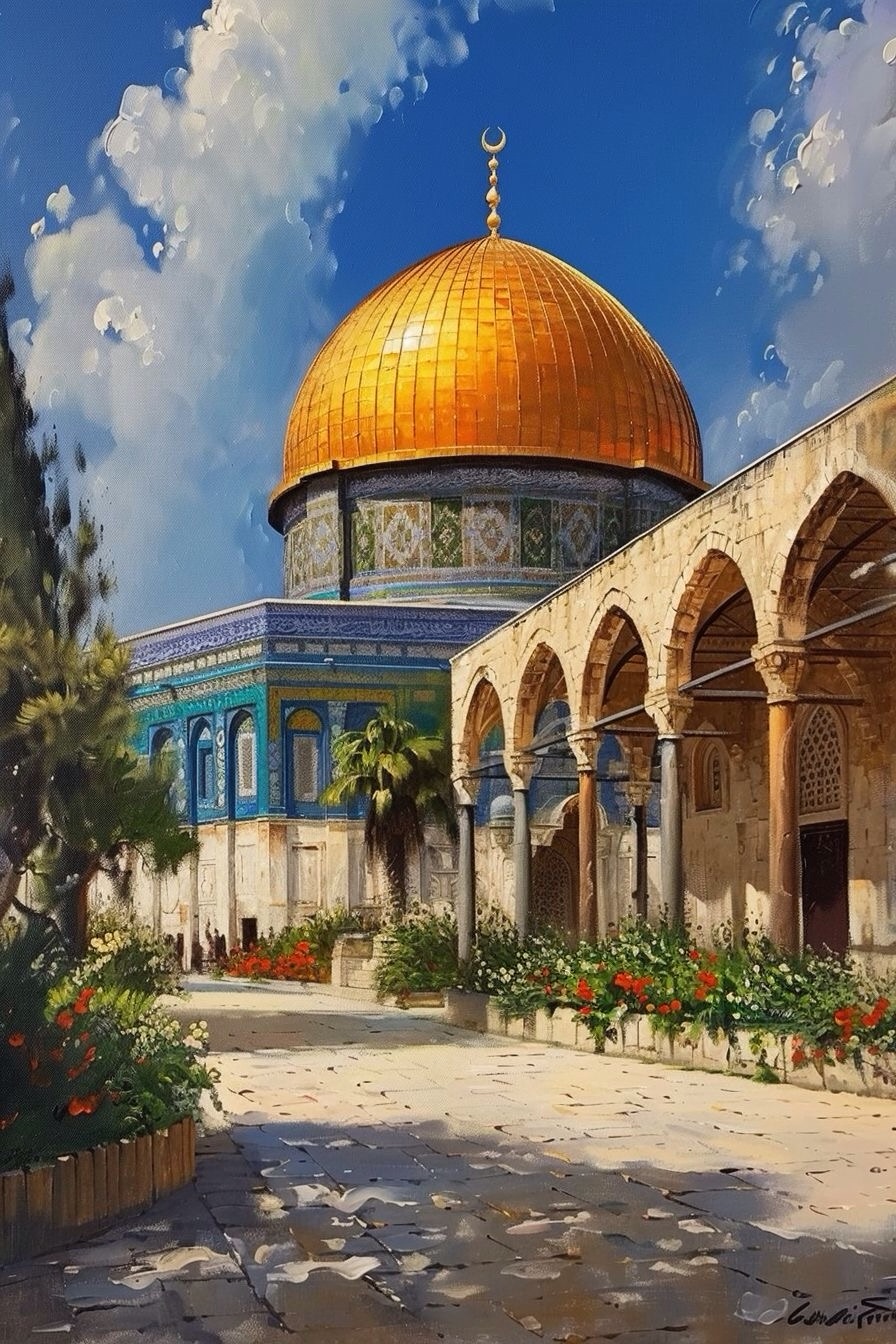
The Isra and Mi’raj describe Prophet Muhammad’s journey from Mecca to Jerusalem and his ascension through the heavens, ultimately meeting God. This event is considered miraculous and beyond ordinary physical experiences.
Daniel 7, verse 13 states: “I saw in the night visions, and behold, with the clouds of heaven there came one like a son of man, and he came to the Ancient of Days and was presented before him.”
This is also a supernatural vision that occurs at night and describes an ascent toward the Divine.

2. Skepticism Toward Mystical or Spiritual Journeys


Critics of Isra and Mi’raj argue that such a physical and spiritual journey is implausible, similar to how some interpret Daniel’s vision as metaphorical rather than an actual event.
The argument suggests that if one denies the reality of Muhammad’s ascension on the basis of it being supernatural, they would logically also have to deny Daniel’s night vision using the same reasoning.

3. Heavenly Ascent and Divine Presence


In both cases, the central figure ascends toward a divine presence:
Muhammad ascends through the seven heavens, meeting prophets and ultimately reaching the Divine Presence.
Daniel sees one like a son of man coming with the clouds of heaven to stand before the Ancient of Days, a scene often interpreted as a meeting with God.

4. Implication of Denial: Consistency in Theological Interpretation


If one dismisses Muhammad’s ascension as merely metaphorical or fabricated, they must question whether Daniel’s vision was also just symbolic.
This challenges those (particularly in the Abrahamic faith traditions) who accept Daniel’s vision as authentic revelation but reject Muhammad’s journey on the grounds of improbability.

Conclusion

This argument is used to highlight consistency in belief regarding divine visions and supernatural events. If one affirms that Daniel’s vision describes a genuine, divinely granted experience, then logically, they should not outright dismiss the Isra and Mi’raj on the same grounds. Instead, they should engage with both narratives under a coherent theological framework.

The Prophecy of Daniel: Constantine the Great and Muhammad the Prophet

Some believe that Daniel 7, verse 25 alludes to Constantine the Great, who presided over the council of Nicaea, while Daniel 7, verse 13, points to Muhammad’s Night Journey. How is this argument explained?

This is a very controversial argument that is not widely accepted by most biblical scholars and Christians, who believe that Daniel 7, verse 25, and Daniel 7, verse 13, refer to the Antichrist and the Messiah, respectively. However, some people who support this argument explain it in the following way:

They claim that Constantine the Great, who was the first Roman emperor to convert to Christianity and who convened the Council of Nicaea in 325 AD, was the little horn of Daniel 7, verse 25, who spoke pompous words against the Most High and tried to change the times and the laws.

They argue that Constantine corrupted the original teachings of Jesus and imposed his own doctrines and creeds on the Christian church, such as the doctrine of the Trinity, the observance of Sunday instead of Saturday as the Sabbath, and the celebration of Easter instead of Passover.

They also accuse Constantine of persecuting and oppressing those who did not conform to his version of Christianity, such as the followers of Arianism, who denied the divinity of Jesus.


Arianism sparked significant debates within the Church, particularly during the early Ecumenical Councils. The First Council of Nicaea in 325 AD condemned Arianism, affirming the doctrine of the Trinity and the full divinity of Christ. The Nicene Creed established the belief that the Son is “begotten, not made, of one substance with the Father.”

Islamic scholars claim that Muhammad, who was the prophet of Islam and who claimed to have a miraculous Night Journey from Mecca to Jerusalem and then to heaven in 621 AD, was the Son of Man of Daniel 7, verse 13, who came with the clouds of heaven and was given dominion, glory, and a kingdom by the Ancient of Days, that is God.

The term “night visions” directly suggests an event that takes place at night. Muhammad’s Night Journey, which is said to have occurred during the night, aligns with this description. In contrast, Jesus’ ascension is generally not described as happening at night in Christian texts.

They argue that Muhammad was a true prophet of God who restored the pure monotheism that was lost by Constantine and his followers. They also assert that Muhammad’s kingdom is an everlasting kingdom that will never be destroyed, and that all nations and peoples of every language will serve him or submit to his law.


In summary, these are a few points made by Islamic scholars to back the notion that Daniel 7, verse 25, and 7, verse 13, refer to Constantine as the little horn who established the Trinity at the Council of Nicea, and Muhammad as the Son of Man who encountered God on his Night Journey to the seventh heaven.

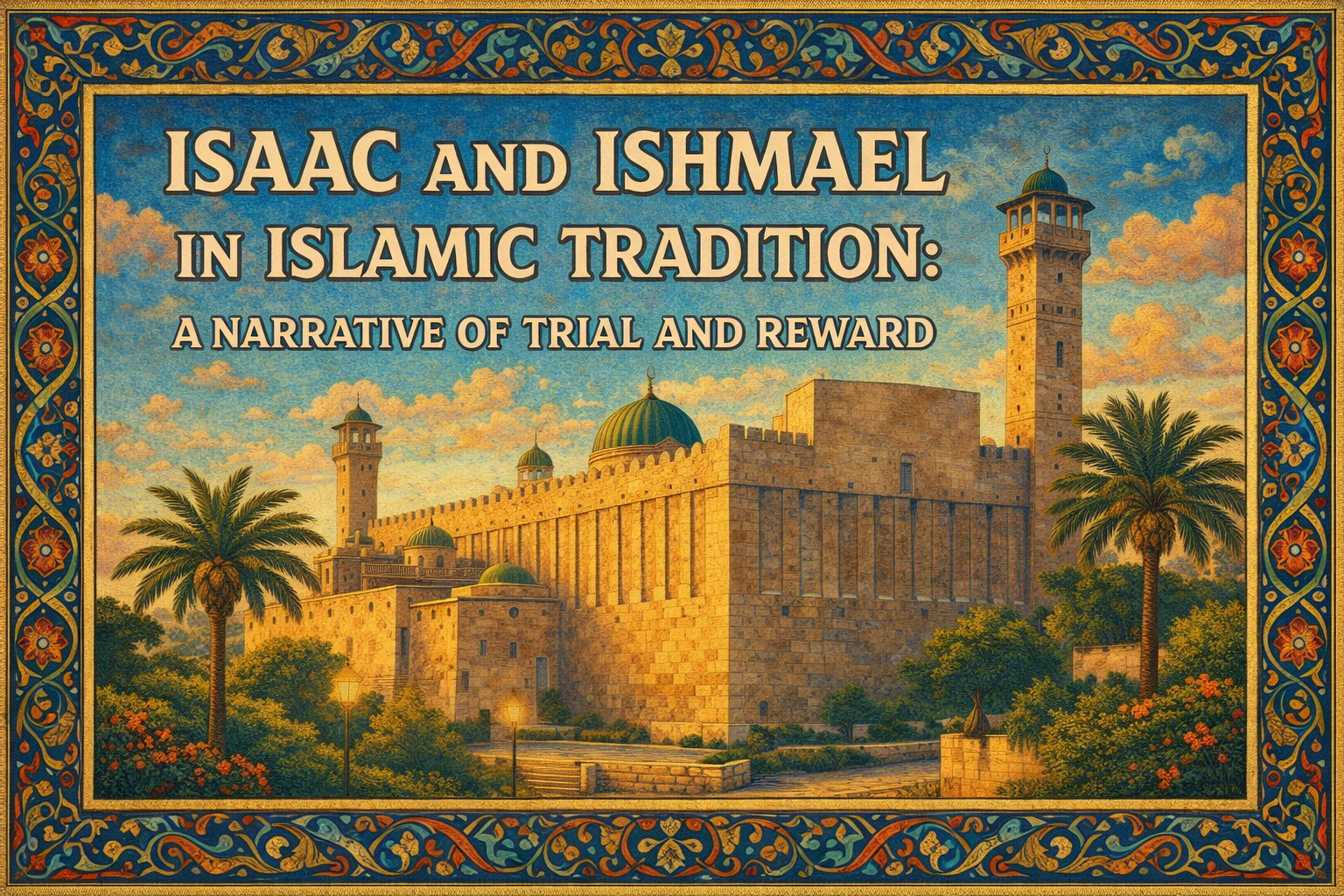
The Covenant of Abraham: A Comparison Between the Bible and the Quran

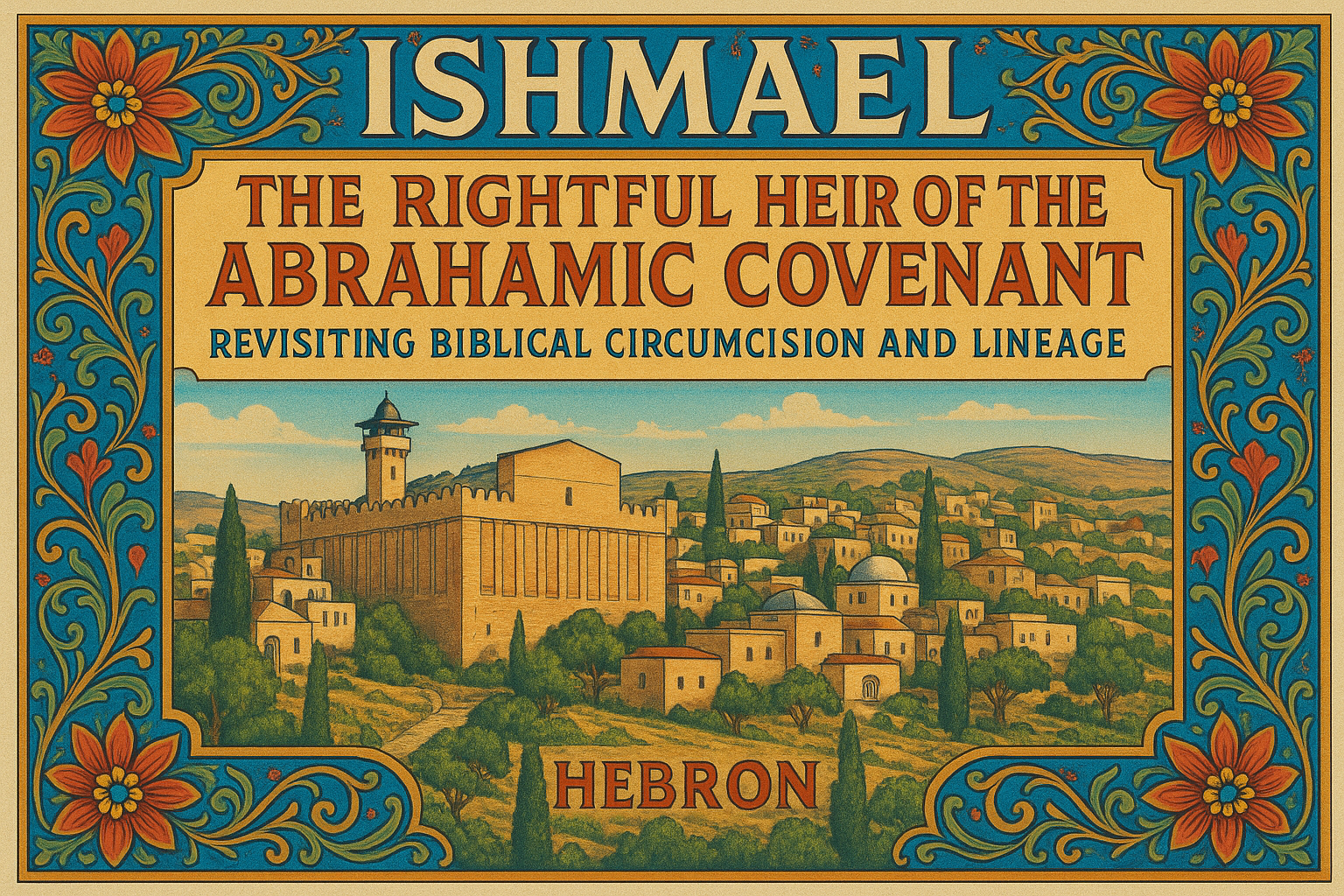
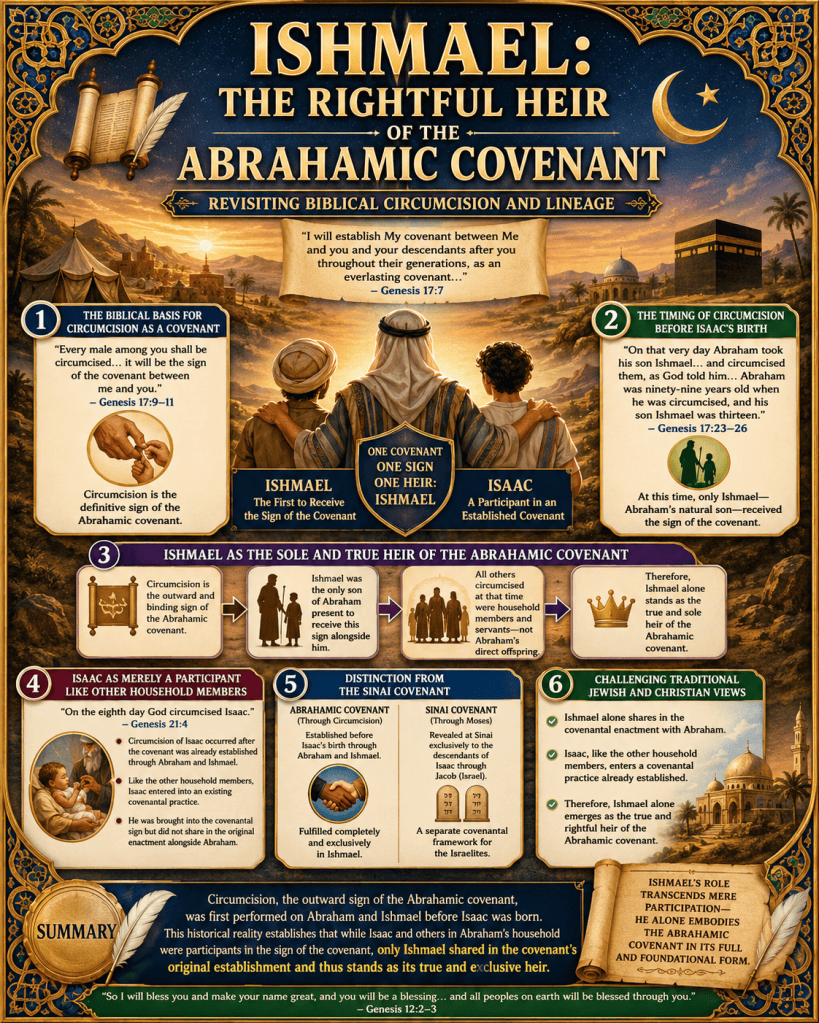
According to biblical scripture, it is recorded that God established a covenant with Abraham through his son Isaac, rather than his firstborn Ishmael. Conversely, the Quran presents a different perspective by indicating that the covenant was made with Ishmael instead of Isaac. How does the Quran describe this?

Surah 2, verses 124 to 125 of the Quran read:

“And when his Lord tested Abraham with certain words, and he fulfilled them. God said, “I am making you a leader of humanity.” Abraham said, “And my descendants?” God said, “My covenant does not include the wrongdoers.”
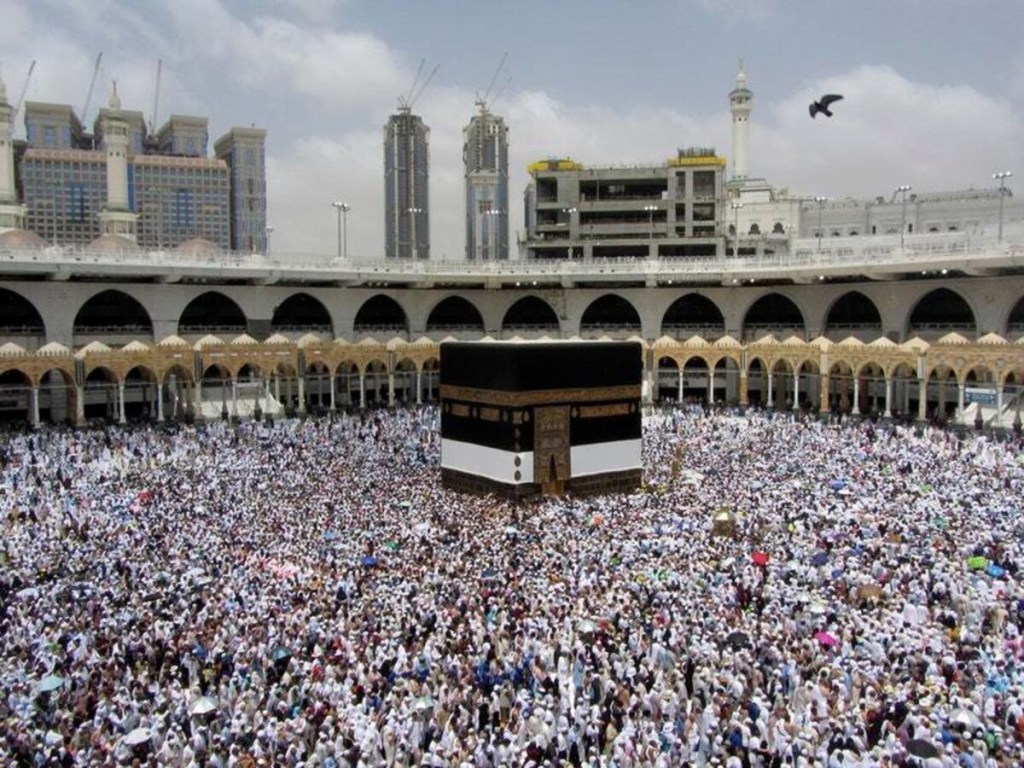
“And We made the House a focal point for the people, and a sanctuary. Use the shrine of Abraham as a place of prayer. And We commissioned Abraham and Ishmael, “Sanctify My House for those who circle around it, and those who seclude themselves in it, and those who kneel and prostrate.”

The phrase “And when his Lord tested Abraham with certain words,” presented in verse 124, is understood by Quranic commentators to refer to the tests and commands that God imparted to Abraham. These included leaving his family in a barren land, sacrificing his son Ishmael, rebuilding the Kaaba (House of God), and instituting the rite of circumcision.

The Quran clearly states in Surah 2, verse 124 that God made a covenant with Abraham through his son Ishmael, not Isaac. The covenant was established prior to the birth of Isaac, who is regarded as a divine gift to Abraham and Sarah, a result of Abraham’s readiness to offer Ishmael as a sacrifice.


In this context, Ishmael is understood as a son dedicated to God, whereas Isaac is considered a son of blessing for Abraham and Sarah. This contradicts the Biblical account which portrays Isaac as the son who was to inherit the covenant from Abraham.

According to the Quran and Islamic tradition, the Biblical account was distorted to diminish Ishmael’s status as Abraham’s heir in favor of Isaac. This alteration is thought to stem from the bias of Jewish scribes toward the Israelite lineage.

The Quran asserts that it rectifies this distortion by confirming Ishmael as the son who carried on Abraham’s legacy in accordance with the original divine covenant. Additionally, the divine selection of the ancient Israelites and their Hebrew prophets before the advent of Islam is seen as a preparation for the arrival of Muhammad, the final Prophet.

Heir to Abraham: Isaac vs. Ishmael

The phrase “Heir to Abraham: Isaac vs. Ishmael” pertains to the biblical narrative surrounding Abraham, who is regarded as the progenitor of both Isaac and Ishmael. In the biblical account, God assures Abraham that he will have a son, leading to the birth of two sons: Isaac, born to his wife Sarah, and Ishmael, born to his servant Hagar.

The competition between Isaac and Ishmael arises from their respective positions as heirs to Abraham’s legacy. Within Jewish tradition, Isaac is recognized as the legitimate heir and the primary recipient of God’s covenant with Abraham, while Ishmael is frequently depicted as an outsider or a rejected figure.

Conversely, Islamic tradition perceives Ishmael as a fruit of Abraham, wheras Isaac is considered a divine gift given to Abraham and Sarah during their later years, due to Abraham’s obedience in leaving the infant Ishmael and his mother in the desert near the Kaaba (the house of God), as well as his willingness to sacrifice Ishmael.

I seek clarification regarding the interpretation of this argument.

In the Islamic tradition, Ishmael is regarded as a symbol of Abraham’s initial struggle and test of faith, while Isaac represents the ultimate reward for his unwavering obedience to God. The narrative of Abraham leaving infant Ishmael and his mother in the desert near the Kaaba illustrates Abraham’s trust in God’s plan, even when confronted with difficult decisions.

Abraham’s readiness to sacrifice Ishmael further underscores his complete submission to God’s will, as he was willing to relinquish the most precious thing in his life without hesitation. This act of devotion holds great significance in Islamic teachings and serves as a compelling example of faith and obedience.

As a reward for Abraham’s steadfastness and willingness to follow God’s commands — both in leaving infant Ishmael and Hagar in the desert and in his willingness to sacrifice Ishmael — God granted Abraham and Sarah a miraculous gift: the birth of Isaac in their old age.

This divine blessing signified God’s recognition of Abraham’s faith and further cemented his role as a patriarch of monotheistic faith, with both Ishmael and Isaac becoming the forebears of great nations.

This narrative highlights the interconnected themes of sacrifice, trust, and divine reward, demonstrating that true faith is met with God’s grace and fulfillment of His promises.

The Quran asserts that it rectifies the biblical narrative surrounding Abraham by confirming Ishmael as the son who carried on Abraham’s legacy in accordance with the Abrahamic covenant.

Additionally, the divine selection of the ancient Israelites and their Hebrew prophets under the Sinai covenant before the advent of Islam is seen as a precursor to the coming of Muhammad, the last Prophet.

Consistency in Belief: Comparing the Night Journey of Muhammad and Daniel’s Vision

Azahari Hassim

It is believed that those who deny the Night Journey of the prophet Muhammad from Mecca to Jerusalem, followed by his ascension to the seventh heaven to meet God, resemble the arguments of those who dismiss Daniel’s vision at night in Daniel 7, verse 13. How is this argument articulated?

The argument comparing the denial of the Isra and Mi’raj (the Night Journey and Ascension of the Prophet Muhammad) to the dismissal of Daniel’s vision in Daniel 7, verse 13 is articulated based on the following parallels:

1. Both Events Are Supernatural and Nighttime Experiences


The Isra and Mi’raj describe Prophet Muhammad’s journey from Mecca to Jerusalem and his ascension through the heavens, ultimately meeting God. This event is considered miraculous and beyond ordinary physical experiences.
Daniel 7, verse 13 states: “I saw in the night visions, and behold, with the clouds of heaven there came one like a son of man, and he came to the Ancient of Days and was presented before him.”
This is also a supernatural vision that occurs at night and describes an ascent toward the Divine.

2. Skepticism Toward Mystical or Spiritual Journeys

Critics of Isra and Mi’raj argue that such a physical and spiritual journey is implausible, similar to how some interpret Daniel’s vision as metaphorical rather than an actual event.
The argument suggests that if one denies the reality of Muhammad’s ascension on the basis of it being supernatural, they would logically also have to deny Daniel’s night vision using the same reasoning.

3. Heavenly Ascent and Divine Presence

In both cases, the central figure ascends toward a divine presence:
Muhammad ascends through the seven heavens, meeting prophets and ultimately reaching the Divine Presence.
Daniel sees one like a son of man coming with the clouds of heaven to stand before the Ancient of Days, a scene often interpreted as a meeting with God.

4. Implication of Denial: Consistency in Theological Interpretation

If one dismisses Muhammad’s ascension as merely metaphorical or fabricated, they must question whether Daniel’s vision was also just symbolic.
This challenges those (particularly in the Abrahamic faith traditions) who accept Daniel’s vision as authentic revelation but reject Muhammad’s journey on the grounds of improbability.

Conclusion

This argument is used to highlight consistency in belief regarding divine visions and supernatural events. If one affirms that Daniel’s vision describes a genuine, divinely granted experience, then logically, they should not outright dismiss the Isra and Mi’raj on the same grounds. Instead, they should engage with both narratives under a coherent theological framework.

Council of Nicaea – Key Points
Location and Date: Convened in Nicaea (modern İznik, Turkey) in 325 AD by Emperor Constantine I.
Purpose: To resolve theological disputes, especially Arianism, and establish a unified Christian doctrine.
Arian Controversy: Arianism questioned the divinity of Jesus. The council affirmed that Jesus is “true God from true God.”
Nicene Creed: Produced a statement of faith that defines the nature of Christ and the Trinity, still used in many denominations today.
Other Decisions: Addressed the date of Easter and church governance.
Significance: Marked the first ecumenical council in Christian history, shaping foundational Christian beliefs.

The Prophecy of Daniel: Constantine the Great and Muhammad the Prophet

Some believe that Daniel 7, verse 25 alludes to Constantine the Great, who presided over the council of Nicaea, while Daniel 7, verse 13, points to Muhammad’s Night Journey. How is this argument explained?

This is a very controversial argument that is not widely accepted by most biblical scholars and Christians, who believe that Daniel 7, verse 25, and Daniel 7, verse 13, refer to the Antichrist and the Messiah, respectively. However, some people who support this argument explain it in the following way:
They claim that Constantine the Great, who was the first Roman emperor to convert to Christianity and who convened the Council of Nicaea in 325 AD, was the little horn of Daniel 7, verse 25, who spoke pompous words against the Most High and tried to change the times and the laws.

They argue that Constantine corrupted the original teachings of Jesus and imposed his own doctrines and creeds on the Christian church, such as the doctrine of the Trinity, the observance of Sunday instead of Saturday as the Sabbath, and the celebration of Easter instead of Passover.

They also accuse Constantine of persecuting and oppressing those who did not conform to his version of Christianity, such as the followers of Arianism, who denied the divinity of Jesus.
Arianism sparked significant debates within the Church, particularly during the early Ecumenical Councils. The First Council of Nicaea in 325 AD condemned Arianism, affirming the doctrine of the Trinity and the full divinity of Christ. The Nicene Creed established the belief that the Son is “begotten, not made, of one substance with the Father.”

Islamic scholars claim that Muhammad, who was the prophet of Islam and who claimed to have a miraculous Night Journey from Mecca to Jerusalem and then to heaven in 621 AD, was the Son of Man of Daniel 7, verse 13, who came with the clouds of heaven and was given dominion, glory, and a kingdom by the Ancient of Days, that is God.

The term “night visions” directly suggests an event that takes place at night. Muhammad’s Night Journey, which is said to have occurred during the night, aligns with this description. In contrast, Jesus’ ascension is generally not described as happening at night in Christian texts.

They argue that Muhammad was a true prophet of God who restored the pure monotheism that was lost by Constantine and his followers. They also assert that Muhammad’s kingdom is an everlasting kingdom that will never be destroyed, and that all nations and peoples of every language will serve him or submit to his law.


In summary, these are a few points made by Islamic scholars to back the notion that Daniel 7, verse 25, and 7, verse 13, refer to Constantine as the little horn who established the Trinity at the Council of Nicea, and Muhammad as the Son of Man who encountered God on his Night Journey to the seventh heaven.

Islamic Interpretation of Daniel 7: The Fifth Kingdom as the Rise of Islam

Numerous biblical scholars maintain that the four beasts described in Daniel 7 symbolize four distinct kingdoms: Babylon, Medo-Persia, Greece, and Rome. Subsequently, the establishment of the kingdom of God is noted. In contrast, certain Islamic scholars assert that the fifth kingdom, which they identify as the kingdom of God, corresponds to Islam, as it arose subsequent to the Byzantine Empire, also referred to as the Eastern Roman Empire. What is the rationale behind this interpretation?

The Islamic interpretation of the prophecy in Daniel 7, which identifies the “fifth kingdom” (the kingdom of God) with Islam, is based on historical and theological reasoning. Here are the key points behind this interpretation:

1. Historical Succession of Empires


Daniel 7 describes four beasts representing four successive kingdoms. Many biblical scholars identify these as Babylon, Medo-Persia, Greece, and Rome.
Islam emerged in the 7th century CE, after the decline of the Western Roman Empire and during the weakening of the Byzantine (Eastern Roman) Empire. Since Daniel’s vision mentions the establishment of God’s kingdom after the fourth empire, some Islamic scholars argue that Islam, which emerged after Rome, fulfills this prophecy.

2. The Fall of the Byzantine Empire and the Rise of Islam


The Byzantine (Eastern Roman) Empire was a dominant power before Islam’s expansion. Islamic scholars argue that with the conquests of the Rashidun and Umayyad Caliphates, Islam effectively replaced Byzantine rule in large parts of the Mediterranean, the Levant, and North Africa.
The rapid spread of Islam and its dominance over former Roman territories is seen as a fulfillment of the prophecy that a divine kingdom would supersede worldly empires.

3. The Concept of God’s Kingdom in Islam


Jesus did not equate the kingdom of God that he preached with the religion of Christianity. Rather, the concept of the “kingdom of God” is frequently linked to the arrival of a figure resembling a son of man as described in Daniel 7.
Islamic scholars, however, interpret God’s kingdom as a system of governance based on divine law (Sharia). Since Islam established a political-religious order that claimed to rule by divine law, it is seen as fulfilling the vision of God’s kingdom replacing human empires.

4. Islam as a Universal and Everlasting Kingdom


Daniel 7, verse 14 describes the final kingdom as one that will never be destroyed. Islamic scholars argue that Islam, despite historical challenges, continues to be a major global faith and political influence.
The continuity of Islam as a religious and civilizational force is seen as evidence that it aligns with the prophecy of a kingdom that endures.

5. The Role of Prophet Muhammad in Quranic Prophecy


Some Islamic scholars extend this interpretation by linking it to prophecies about a future religion of Islam. They cite Surah 61, verse 9 of the Quran:

“He it is Who hath sent His messenger with the guidance and the religion of truth, that He may make it conqueror of all religion however much idolaters may be averse.”


Muhammad’s establishment of a religious-political order is viewed as the fulfillment of the divine kingdom prophesied in Daniel.
Conclusion

Islamic scholars interpret Daniel 7’s prophecy through a historical and theological lens, identifying Islam as the divine kingdom that follows Rome. They argue that Islam’s rise, territorial expansion, and legal-political system based on divine law fulfill the vision of a God-ordained kingdom that replaces human rule.

David Ben-Gurion’s Ancestral Theory: Linking Palestinians to Ancient Jews

Azahari Hassim

David Ben-Gurion, the first Prime Minister of Israel, held the belief that Palestinians are, in fact, descendants of ancient Jews. What is the rationale behind his argument?

David Ben-Gurion, Israel’s first Prime Minister, indeed expressed the belief that many Palestinians were descendants of ancient Jews who had remained in the land after the Roman expulsions and converted to Islam over the centuries. His rationale was rooted in historical, sociological, and ideological perspectives. Here’s a breakdown of his reasoning:

  1. Historical Continuity

Ben-Gurion believed that not all Jews left the land of Israel after the Roman destruction of the Second Temple in 70 CE or the Bar Kokhba revolt in 135 CE. Many remained and lived continuously in the region. Over the centuries, due to pressures such as Byzantine persecution and later Islamic rule, many of these Jews may have converted to Christianity and then to Islam, gradually assimilating into the surrounding Arab culture.

  1. Cultural and Linguistic Clues

He and other early Zionist thinkers pointed to certain cultural practices among Palestinian peasants (fellahin) that seemed to reflect Jewish traditions, such as agricultural techniques, dietary habits, and even some customs around holidays. They saw these as remnants of Jewish life that had survived despite religious conversions.

  1. Zionist Ideology

Ben-Gurion’s view also served a broader ideological purpose. By emphasizing the deep-rooted connection of Jews to the land—and even suggesting that some Arabs were actually Jews by ancestry—he aimed to strengthen the Jewish claim to the land. It suggested a kind of shared heritage, potentially easing tensions or legitimizing Zionist aspirations in the eyes of skeptics.

  1. Sources and Scholarship

Ben-Gurion studied Jewish history intensively and collaborated with historians like Yitzhak Baer. In private writings and public statements, he sometimes referenced scholarship that supported this view of demographic continuity between ancient Jewish populations and modern Arab inhabitants of Palestine.

While Ben-Gurion’s position is historically debatable and not universally accepted, it remains a notable example of how leaders sometimes use history to craft narratives of identity, legitimacy, and connection to land.

Reimagining Gog and Magog: Could Zionism Fulfill an Ancient Prophecy?

What if everything we thought about biblical prophecy was backwards?

Across the Abrahamic faiths—Judaism, Christianity, and Islam—Gog and Magog (known in Arabic as Ya’juj and Ma’juj) are end-times forces associated with chaos, war, and divine judgment. But what if those names don’t point to distant foreign powers or symbolic evil empires? What if they point to something much closer—something political, even modern?

This article explores a bold and controversial possibility: that modern Zionism, often viewed as the return of Jews to their biblical homeland, might instead fulfill the prophetic role of Gog and Magog. And more surprisingly, that Palestinians—long portrayed as the enemy in many religious and political narratives—could actually be the surviving descendants of ancient Israelites, the true inheritors of the land.

Ben Gurion’s Forgotten Statement

David Ben Gurion, the founding Prime Minister of Israel, once made a striking claim: that many Palestinians are descendants of Jews who never left the land after the Roman expulsions. Over centuries, these Jews became Christians and later Muslims, but they remained rooted in the soil of ancient Israel.

That quote rarely makes headlines. But if it holds any truth, it upends the standard story of “returning Jews” and “foreign Arabs.” Instead, it raises the question: Who is truly returning—and who never left?

Ezekiel’s Prophecy: Who Are the Invaders?

In the Hebrew Bible, chapters 38 and 39 of Ezekiel describe Gog, of the land of Magog, leading a coalition to invade the peaceful land of Israel. The result is divine wrath: earthquakes, fire from heaven, and utter destruction of the invaders. One curious detail? The weapons of Gog and Magog will be burned as firewood for seven years after the war ends.

Traditionally, this passage is seen as foretelling a future attack against the Jewish people in their land. But what if, in light of Ben Gurion’s claim, the real invaders are not defending Israel but attacking the true remnant of it?

Islamic Prophecy Echoes the Same Story

Islamic tradition also speaks of Gog and Magog. The Prophet Muhammad reportedly said that after their defeat, Muslims would burn their weapons—for seven years. That’s not just a strange coincidence—it’s nearly a word-for-word echo of Ezekiel.

The hadith, reported in Sunan Ibn Majah, states:

“The Muslims will burn the weapons of Gog and Magog for seven years.”

This clearly echoes Ezekiel 39, verse 9.

So here’s the puzzle: If both Islam and the Hebrew Bible speak of an apocalyptic invasion, followed by the survivors using the enemy’s weapons as firewood, could they be describing the same event from different angles?

Zionism as Gog and Magog?

What if the modern Zionist movement, especially in its militant or nationalist forms, fits the pattern of Gog and Magog more than anyone else?

Here’s the logic behind that idea:
Gog and Magog are portrayed as powerful, aggressive forces invading and dominating the land.
Zionism, since its emergence, has involved the displacement and suppression of the native Palestinian population—many of whom, if Ben Gurion was right, are descendants of ancient Jews.
That would mean the “invaders” are not returning natives, but foreign powers acting in the name of divine destiny while pushing out the true heirs of the land.

This reversal is uncomfortable, even shocking. But it asks a question worth pondering: Has the prophetic script been flipped?

Seven Years of Burning: A Symbolic Cleansing

In both the Bible and the hadith, the burning of weapons for seven years symbolizes more than just clean-up—it represents purification. The tools of war are transformed into fuel for life. It marks the end of an age of violence and the beginning of something new—something divinely approved.

If Palestinians are the ones who remain after the storm, perhaps these prophecies are not just about survival, but about spiritual and historical vindication.

Rethinking the Inheritance

This interpretation may not sit well with everyone. It challenges political narratives, religious assumptions, and deeply held beliefs. But it also bridges the gap between Islamic and biblical prophecy, offering a unified vision of justice, continuity, and hope.

Maybe the real question isn’t just who inherits the land—but who carries forward the legacy of the ancient covenant. Not in name alone, but in blood, soil, and spirit.

Final Thought

Sometimes prophecy isn’t about the future—it’s a mirror held up to the present. And sometimes, the people we think are the villains in a story turn out to be its forgotten heroes.

Shlomo Sand’s Controversial Perspective on Palestinian and Jewish Historical Identity

What is the argument of Shlomo Sand’s belief that the Palestinians are the descendants of the biblical Jews of Jesus?

Shlomo Sand, an Israeli historian, argues in his book “The Invention of the Jewish People” that the Palestinians are the descendants of the biblical Jews of Jesus. His argument challenges the traditional notion that Jews are a single, homogeneous ethnic group with an unbroken bloodline tracing back to biblical times.

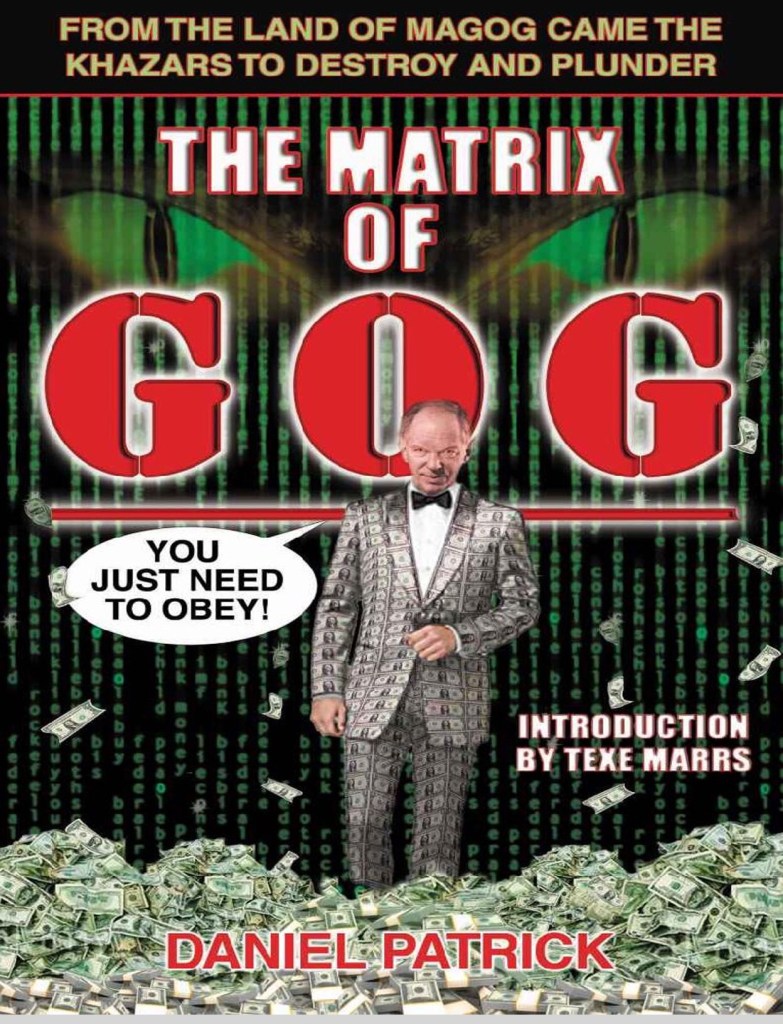
Sand also argues that the conversion of the Khazar people, a Turkic-speaking group, to Judaism in the 8th century played a significant role in the formation of Eastern European Jewry. He suggests that many Ashkenazi Jews, who form a significant part of the Jewish population today, are descendants of the Khazars rather than the ancient Israelites.

In relation to the Palestinians, Sand proposes that they are the descendants of the Jewish population that existed in the region during the time of Jesus and later converted to Islam and assimilated with the Arab population. He argues that the notion of a “return” of the Jewish people to their ancestral homeland is a political and ideological construct rather than a historical fact.

It’s important to note that Shlomo Sand’s arguments have sparked debates and discussions within academic and intellectual circles, and they are not universally accepted. His views challenge conventional understandings of Jewish identity and history, and they have generated both support and criticism from various scholars and experts.

Shlomo Sand argues that the modern-day Palestinians are largely descended from the Jewish people who lived in the region during the time of Jesus. He believes that many of the Jewish people in the region were not actually expelled after the destruction of the Second Temple, as traditional Jewish history claims, but instead converted to Christianity and Islam. Sand’s argument challenges the traditional Zionist narrative of Jewish history, which sees the modern Jewish people as the direct descendants of the biblical Jews. Instead, he asserts that the Palestinians have a historical connection to the land that is just as deep as the Jewish connection. This challenges the idea of a purely Jewish state in the region and supports the Palestinian claim to their homeland.

Shlomo Sand is an Israeli historian, author, and professor. He is known for his controversial and thought-provoking writings on the history of the Jewish people and the Israeli-Palestinian conflict. Sand has challenged traditional narratives about Jewish history and identity, and his work has sparked debate and discussion among scholars and the public. Sand is a professor of history at Tel Aviv University and has written several books on topics such as nationalism, the origins of the Jewish people, and the history of the Middle East. His work has been translated into multiple languages and has had a significant impact on the fields of history and political science.

Exploring the Connection Between Gog, Magog, and the Khazars in the Jewish Encyclopedia

How does Jewish Encyclopedia make a connection between people of Gog and Magog and the Khazars?

The Jewish Encyclopedia, a comprehensive work published in the early 20th century, discusses various historical, religious, and cultural topics related to Judaism. In its entries, the encyclopedia explores the connection between Gog and Magog and the Khazars, drawing upon historical and biblical sources.

Gog and Magog are biblical figures mentioned in the Book of Ezekiel and the Book of Revelation, often associated with apocalyptic prophecies and the end times. Over time, these names have been linked to various groups and regions, sometimes representing distant lands or threatening forces.

The Khazars were a semi-nomadic Turkic people who established a powerful empire in the region of the Caucasus and the Volga River between the 7th and 10th centuries. Notably, the Khazar elite and parts of their population converted to Judaism around the 8th century.

In the Jewish Encyclopedia, the connection between Gog and Magog and the Khazars is explored through the lens of medieval Jewish and Christian writings. Some medieval Jewish authors, influenced by earlier traditions and geopolitical realities, identified the Khazars with the apocalyptic figures of Gog and Magog. This association might have been bolstered by the Khazars’ geographical location on the fringes of the known world and their involvement in regional power dynamics.

It’s important to note that these connections are more interpretative and speculative rather than based on concrete historical evidence. They reflect the ways in which biblical prophecies and historical events were intertwined in the medieval imagination, often serving as a means to understand contemporary geopolitical situations through a religious and eschatological framework.

🏺 The Kingdom of Himyar: Judaism in Pre-Islamic Southern Arabia

📜 Introduction

The Kingdom of Himyar stands as one of the most intriguing civilizations of pre-Islamic Arabia. Flourishing in southern Arabia—primarily in what is now 🇾🇪 Yemen—Himyar is historically remarkable for a rare phenomenon in the ancient Near East: the large-scale adoption of Judaism ✡️ by a ruling Arab kingdom centuries before the rise of Islam ☪️.

This development challenges simplistic assumptions about Arabia’s religious landscape and reveals a region deeply entangled with biblical 📖, imperial 🏛️, and monotheistic currents.

🗺️ 1. Geographic and Historical Background

Himyar emerged around the late 2nd century CE, succeeding earlier South Arabian polities such as Sabaʾ and Qataban. Its heartland lay in the Yemeni highlands, with Zafar as its political and cultural center 🏞️.

Strategically positioned along incense and maritime trade routes linking:

  • 🌍 East Africa
  • 🌄 The Levant
  • 🏺 Mesopotamia
  • 🌊 The Indian Ocean world

Himyar prospered economically 💰 while absorbing diverse cultural and religious influences 🌐.

🕯️ 2. From Polytheism to Monotheism

Early Himyarite religion followed traditional South Arabian polytheism, worshipping deities such as ʿAthtar and Almaqah 🐪🌞.
However, from the 4th century CE, inscriptions begin to reflect a profound religious shift:

  • ❌ Pagan deities disappear from official texts
  • 🙏 Inscriptions invoke a single, transcendent God
  • 🕊️ Titles such as Raḥmānān (“the Merciful”) become prominent

This transition marks not just ethical monotheism, but a distinctly Jewish theological framework ✡️, including:

  • 📆 Sabbath observance
  • 🗣️ Biblical idioms
  • 🛑 Rejection of idols
  • 🤝 Covenantal language

🤔 3. Why Did Himyar Adopt Judaism?

a. 🛡️ Geopolitical Strategy

Himyar existed between two powerful Christian empires:

  • 🏛️ The Byzantine Empire to the north
  • ⛪ The Christian Kingdom of Aksum (Ethiopia) to the west

Judaism offered a third monotheistic path, enabling Himyar to assert religious independence in a region dominated by two Christian powers: the Byzantine Empire 🏛️ in the north and the Kingdom of Aksum 🌄 in the west.

b. ✡️ Jewish Presence in Arabia

Jewish communities had long existed in Arabia—especially in Yemen and the Hijaz—facilitating theological exchange 🤝 and conversion at elite levels 👑.

c. 📜 Covenant Theology

Judaism’s emphasis on law ⚖️, kingship 👑, and divine justice ⚡ resonated with Himyarite rulers seeking ideological legitimacy and centralized authority.

👑 4. King Dhu Nuwas and the Najran Crisis

The most famous Jewish ruler of Himyar was Dhu Nuwas (r. c. 517–525 CE), who openly championed Judaism ✡️ and opposed Christian influence ❌⛪.

His reign culminated in the tragic persecution of Christians in Najran, an event remembered in:

  • ✍️ Syriac Christian sources
  • 🏛️ Byzantine chronicles
  • 📖 The Qur’an (Surah al-Burūj 85:4–8, “People of the Ditch” 🔥)

This episode provoked military intervention ⚔️ by the Christian Kingdom of Aksum, leading to Himyar’s defeat 🏴 and the end of Jewish political dominance in Yemen.

🌅 5. Himyar and the Religious Prelude to Islam

Although Himyar collapsed in the 6th century CE, its legacy endured:

  • 🕊️ It normalized monotheism in Arabia before Islam
  • 🧬 It showed that Arabs could embrace biblical religion without ethnic boundaries
  • 📘 It contributed vocabulary and theological concepts (like law, mercy, and covenant) echoed later in the Qur’an

The Qur’anic environment of late antique Arabia — where Jews, Christians, and monotheistic seekers (ḥanīfs) already existed — cannot be understood without Himyar’s example.

🏺 6. Historical Significance

The Kingdom of Himyar forces a reassessment of pre-Islamic Arabia as:

  • 🧠 Religiously sophisticated
  • 🌐 Politically integrated into Near Eastern history
  • ✡️ Capable of adopting scriptural monotheism independently

Himyar was not an anomaly — it was a bridge 🛤️ between biblical tradition and the Islamic world that followed.

📚 Conclusion

The story of Himyar is a powerful reminder that Judaism, Christianity, and Islam did not develop in isolation 🏜️, but through dynamic interaction across Arabia and beyond.

Long before Islam, an Arab kingdom ruled in the name of the God of Israel ✡️, reshaping the religious map 🗺️ of the peninsula.

In this sense, Himyar represents not a forgotten footnote, but a critical chapter 📖 in the prehistory of Abrahamic monotheism in Arabia.

— Azahari Hassim
Founder, The World of Abrahamic Theology

Imran Hosein on Gog and Magog: Insights from Jerusalem in the Quran

Azahari Hassim

In his thought-provoking book Jerusalem in the Qur’an, Islamic scholar Imran Hosein presents a comprehensive eschatological interpretation of modern world events through the lens of the Qur’an and Hadith.

The book focuses particularly on the religious and geopolitical significance of Jerusalem, the return of the Jews to the Holy Land, and the role of Gog and Magog (Yajuj and Majuj) in shaping the modern age.

Imran Hosein connects classical Islamic prophecies with contemporary events, offering a controversial but detailed worldview in which Western civilization, Zionism, and global economic systems are deeply tied to the Qur’anic narrative of the end times.

Who are Gog and Magog according to the author?

According to the author, Imran Hosein, Gog and Magog (Yajuj and Majuj) are described as agents of corruption, oppression, and wickedness in the world. They are human communities endowed with invincible power by Allah Most High, and their release into the world signifies the commencement of the Last Age. 

The author identifies modern European civilization, particularly the secular and godless aspects of it, as embodying the characteristics of Gog and Magog. He argues that Gog and Magog are responsible for the return of the Jews to the Holy Land and the establishment of the State of Israel, which he views as part of a divine plan leading to the ultimate punishment of the Jews. The author also links Gog and Magog to the global dominance of Riba (usury) and the political and economic oppression prevalent in the modern world.

What is the argument of the author that Gog and Magog have been released?

The author, Imran Hosein, argues that Gog and Magog have been released based on several points:

1. Prophetic Evidence: The author cites various Ahadith from Sahih Bukhari and Sahih Muslim, which indicate that the release of Gog and Magog occurred during the lifetime of Prophet Muhammad (sallalahu ‘alaihi wa sallam). For instance, the Prophet mentioned that a hole had been opened in the dam of Gog and Magog, signifying their release.

2. Historical Events: Imran Hosein points to the dramatic changes in European civilization, which transformed from pagan to Christian and then to a largely godless, secular civilization. He views this transformation as evidence of the release of Gog and Magog, who are described as agents of corruption and oppression.

3. Return of the Jews to the Holy Land: The author interprets the return of the Jews to Jerusalem and the establishment of the State of Israel as a sign of the release of Gog and Magog. He refers to the Qur’anic verse (Surah 21, verses 95 to 96) which states that the people of a town (interpreted as Jerusalem) destroyed by Allah would not return until Gog and Magog are released and spread out in every direction.

4. Global Dominance and Corruption: Imran Hosein argues that the current global dominance of secular Western civilization, characterized by political Shirk (associating partners with Allah) and economic Riba (usury), is indicative of the influence of Gog and Magog. He believes that the widespread corruption, oppression, and economic exploitation in the modern world are manifestations of their presence.

5. Prophetic Predictions: The author also refers to the prophecy of Prophet Muhammad (sallalahu ‘alaihi wa sallam) that the age of Dajjal (the False Messiah) would be marked by the universal prevalence of Riba. He sees the current global economic system, which is heavily based on usury, as fulfilling this prophecy and further evidence of the release of Gog and Magog.

In summary, Imran Hosein’s argument that Gog and Magog have been released is based on prophetic evidence, historical transformations in European civilization, the return of the Jews to the Holy Land, the global dominance of secular and corrupt systems, and the fulfillment of prophetic predictions regarding the prevalence of Riba.

How are Khazars related to Ashkenazi Jews?

According to the author, Imran Hosein, the Khazars are related to Ashkenazi Jews through their conversion to Judaism. He explains that the Khazar tribes of Eastern Europe embraced Judaism around the seventh century for essentially political reasons rather than faith. These Khazars, who were originally a European people, converted to Judaism and subsequently became known as Ashkenazi Jews.

Imran Hosein argues that the Ashkenazi Jews, who are predominantly of European origin, differ significantly from the Israelite Jews who trace their ancestry to Abraham (sallalahu ‘alaihi wa sallam). He points out that modern Israel comprises large numbers of Jews who are a pure European people with blue eyes and blond hair, indicating a racial difference from the original Israelite Jews.

The author suggests that the Ashkenazi Jews have played a significant role in the establishment of the Zionist movement and the creation of the State of Israel. He views their involvement as part of a larger divine plan involving Gog and Magog, leading to the ultimate punishment of the Jews.

In summary, Imran Hosein links the Khazars to Ashkenazi Jews through their historical conversion to Judaism and highlights the racial and political differences between Ashkenazi Jews and the original Israelite Jews.

How are Gog and Magog related to Ashkenazi Jews?

Imran Hosein argues that Gog and Magog are related to Ashkenazi Jews through their historical and geopolitical actions. Here are the key points of his argument:

1. Historical Transformation: 

Imran Hosein suggests that the Khazar tribes of Eastern Europe, who converted to Judaism in the seventh century, are linked to Gog and Magog. He believes that these Khazars, who became known as Ashkenazi Jews, played a significant role in transforming European civilization from paganism to Christianity and then to a largely godless, secular civilization.

2. Role in Zionism: 

The author argues that Ashkenazi Jews, who are predominantly of European origin, were instrumental in establishing the Zionist movement and the creation of the State of Israel. He views their involvement as part of the larger divine plan involving Gog and Magog, leading to the ultimate punishment of the Jews.

3. Global Dominance and Corruption: 

Imran Hosein asserts that the current global dominance of secular Western civilization, characterized by political Shirk (associating partners with Allah) and economic Riba (usury), is indicative of the influence of Gog and Magog. He believes that the widespread corruption, oppression, and economic exploitation in the modern world are manifestations of their presence.

4. Return to the Holy Land: 

The author interprets the return of the Jews to Jerusalem and the establishment of the State of Israel as a sign of the release of Gog and Magog. He refers to the Qur’anic verse (Surah 21, verses 95 to 96) which states that the people of a town (interpreted as Jerusalem) destroyed by Allah would not return until Gog and Magog are released and spread out in every direction.

In summary, Imran Hosein links Gog and Magog to Ashkenazi Jews through their historical conversion to Judaism, their role in the Zionist movement, their influence in global dominance and corruption, and their return to the Holy Land. He views these actions as part of a larger divine plan involving Gog and Magog, leading to the ultimate punishment of the Jews.

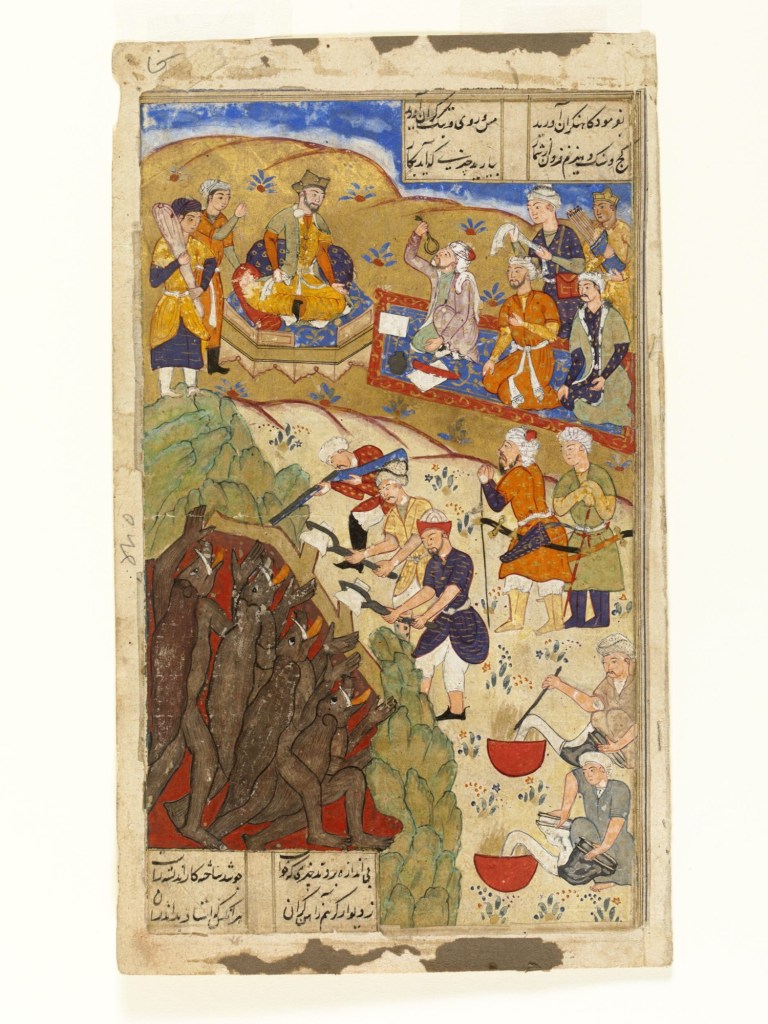
Devil, Gog and Magog attack the Holy City (from a 17th-century Russian manuscript)

In what manner does the author associate Western civilization with Gog and Magog?

Imran Hosein associates Western civilization with Gog and Magog through several key arguments:

1. Historical Transformation: 

Imran Hosein suggests that the transformation of Europe from paganism to Christianity and then to a largely godless, secular civilization is indicative of the influence of Gog and Magog. He argues that this transformation was orchestrated by Gog and Magog, leading to the emergence of a powerful and dominant Western civilization.

2. Global Dominance: 

The author asserts that the current global dominance of Western civilization, characterized by its political, economic, and cultural influence, is a manifestation of Gog and Magog’s control over the world. He believes that Gog and Magog have taken control of the world and established a world order based on corruption, oppression, and wickedness.

3. Political Shirk and Economic Riba: 

Imran Hosein argues that the political system of the modern secular state, which is based on Shirk (associating partners with Allah) and the economic system based on Riba (usury), are clear signs of Gog and Magog’s influence. He views the widespread acceptance of these systems as evidence of Gog and Magog’s dominance.

4. Role in Zionism: 

The author links Gog and Magog to the establishment of the Zionist movement and the creation of the State of Israel. He believes that the return of the Jews to the Holy Land and the establishment of Israel are part of Gog and Magog’s plan to deceive the Jews and lead them to their ultimate destruction.

5. Corruption and Decadence:

 Imran Hosein points to the corruption, immorality, and decadence prevalent in Western civilization as further evidence of Gog and Magog’s influence. He argues that the modern world, with its materialism, sexual immorality, and exploitation, reflects the characteristics of Gog and Magog.

6. Qur’anic Prophecy: 

The author refers to the Qur’anic verse (surah 21, verses 95 to 96) which states that the people of a town (interpreted as Jerusalem) destroyed by Allah would not return until Gog and Magog are released and spread out in every direction. He interprets this as a sign that Western civilization, under the influence of Gog and Magog, has facilitated the return of the Jews to the Holy Land.

In summary, Imran Hosein associates Western civilization with Gog and Magog through its historical transformation, global dominance, political and economic systems, role in Zionism, corruption and decadence, and Qur’anic prophecy. He views these aspects as evidence of Gog and Magog’s control over the world and their influence on Western civilization.

Do Muslim scholars of today fail to recognise the emergence of Gog and Magog in this last age?

The following section is an excerpt from the book entitled Jerusalem in the Quran by Imran Hossein.

”But the saddest response of all to ‘Jerusalem in the Quran’ has come from those of the respected scholars of Islam who have summarily rejected the book on the basis of the argument that Gog and Magog will not be released into the world until after the true Messiah (Jesus) has killed Dajjal, the false Messiah (even a simple common sense approach to the subject makes it clear that such a belief makes no sense at all).


And so they resolutely refuse to accept the present world order as that of Gog and Magog and they await the return of the true Messiah (Jesus) for the release of Gog and Magog. They are sadly and woefully mistaken. Indeed they are making a mountain of a mistake. The price that they pay is to be imprisoned with a dangerous and woeful incapacity to understand the world today, and an even greater incapacity to anticipate events which are unfolding so ominously and so rapidly in today’s strange world.


In consequence they are unable to respond appropriately to the awesome challenges of the age in which we now live.“

The Mystery of Yajuj and Majuj: The Wall and Their Identity

The Wall of Yajuj and Majuj (Gog and Magog) is a concept found in Islamic eschatology, as well as in various Judeo-Christian traditions. In Islamic texts, particularly the Quran, Yajuj and Majuj are described as two tribes or nations that will emerge in the end times, causing chaos and destruction.

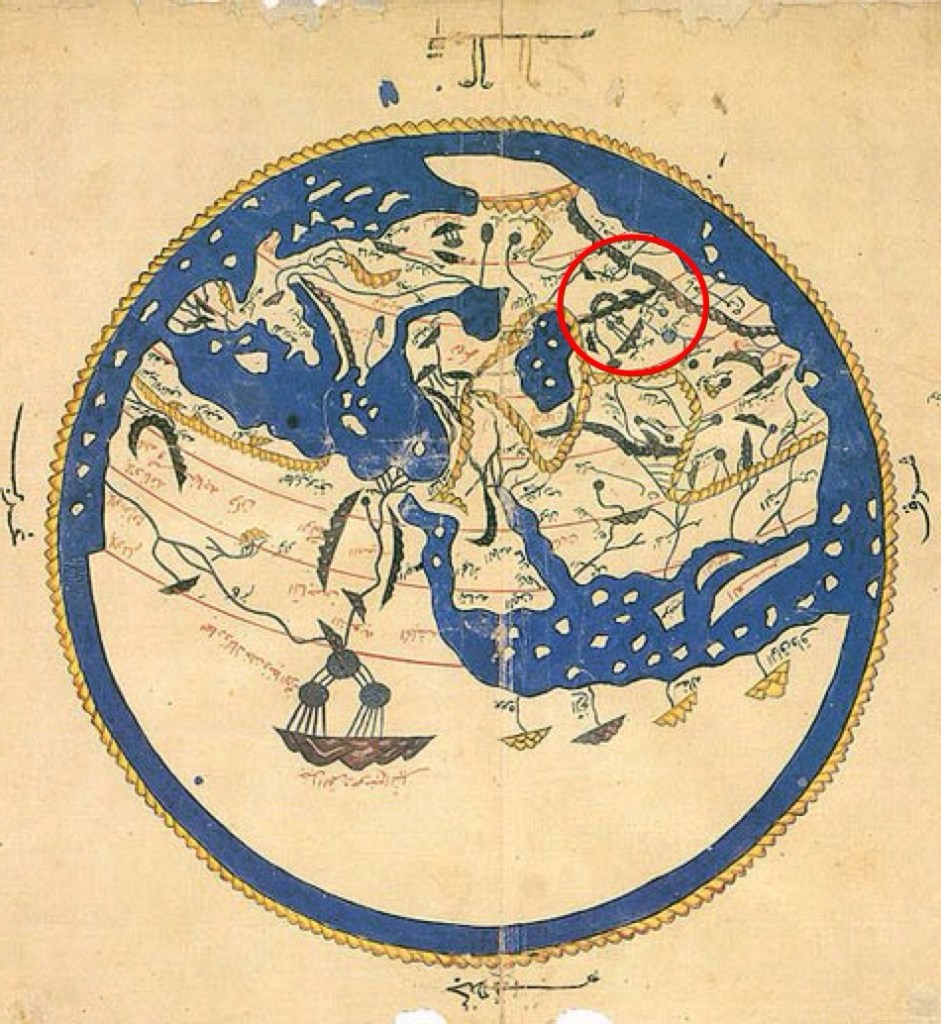
According to Islamic tradition, the wall was built by Dhul-Qarnayn, a figure often associated with a great king or conqueror, to contain these tribes and prevent them from spreading corruption and chaos across the land. The wall is said to be made of iron and copper, and it is located in a remote area, often interpreted as being in the region of the Caucasus Mountains.

In the Quran, the story is mentioned in Surah Al-Kahf (Surah 18, verses 94 to 97), where Dhul-Qarnayn encounters a people who are troubled by Yajuj and Majuj. He helps them by constructing a barrier to protect them from these tribes.

In eschatological beliefs, it is said that before the Day of Judgment, the wall will be breached, and Yajuj and Majuj will be unleashed upon the world, leading to widespread turmoil and destruction.

The figures of Gog and Magog also appear in the Bible, particularly in the Book of Ezekiel and the Book of Revelation, where they are associated with apocalyptic events and the final battle between good and evil.

The concept of Yajuj and Majuj serves as a reminder of the trials and tribulations that are believed to precede the end of times in various religious traditions.

Most researchers have found the wall of Yajuj and Majuj, but they are unclear and confused about the identities of Yajuj and Majuj.

While there is some level of agreement among scholars on the existence of a “wall”—whether literal or symbolic—the details about Yajuj and Majuj themselves remain ambiguous.

Researchers often agree on specific elements of the lore but differ on the specifics of who or what Yajuj and Majuj represent.

Alternative Qira’at of Surah Az-Zukhruf 43:61 and Their Interpretations

Certain individuals categorize Syeikh Imran as a non-believer due to this verse: وَإِنَّهُۥ لَعِلْمٌ لِّلسَّاعَةِ, where he reads “‎لَعِلْمٌ” in a different qiraah and claims it to be the true version. Are there any alternative readings (qira’at) of “‎لَعِلْمٌ” in Surah 43, verse 61?

Yes, there is an alternative qira’ah (variant reading) of the word لَعِلْمٌ in Surah Az-Zukhruf, verse 61. The standard Hafs recitation, which is the most widely used qira’ah today, reads it as:

وَإِنَّهُۥ لَعِلْمٌ لِّلسَّاعَةِ“

”And indeed, he (ʿĪsā/Jesus) is a knowledge of the Hour.”


However, some other qira’at have a different reading of the word لَعِلْمٌ, such as:

1. Qirā’ah of Ibnu ʿAbbās, Abu Hurairah, and Mujāhid:

• لَعَلَمٌ لِلسَّاعَةِ

  • Meaning: “And indeed, he is a sign of the Hour.”
  • This variation emphasizes Jesus (’Isa عليه السلام) as a clear sign of the Hour instead of “knowledge” of it.

2. Qirā’ah of Some Kufan Reciters (including Al-Kisāʾī and others):

• وَإِنَّهُ لَعَلَمٌ لِّلسَّاعَةِ

  • Meaning: “And indeed, he is a sign of the Hour.”
  • This reading aligns with the idea of Jesus being a clear indication or proof of the coming of the Last Hour.

These differences in qira’ah do not change the fundamental meaning of the verse but offer nuanced interpretations. The word لَعِلْمٌ (“knowledge”) and لَعَلَمٌ (“sign, mark”) both indicate that Jesus (’Isa عليه السلام) is connected to the events of the Last Hour, either as a source of knowledge regarding it or as a significant sign of its approach.

Context in Islamic Thought

Some scholars interpret this verse as evidence of the second coming of Jesus (’Isa عليه السلام) before the Day of Judgment.
Others see it as a reference to Jesus’ role in teaching about the Hour during his mission.

Since Qira’at Mutawātirah (mass-transmitted recitations) hold equal legitimacy in Islamic tradition, reading “لَعَلَمٌ” instead of “لَعِلْمٌ” does not make someone a non-believer, as it is a recognized recitation among classical scholars.
If Syeikh Imran is citing this alternative reading, it is within the realm of legitimate qira’at variations that have been preserved in Islamic tradition.

From Priest to Muslim: Rev. Keldani’s Scriptural Case for Muhammad

Azahari Hassim

The book “Muhammad in the Bible” by Prof. Abdul Ahad Dawud (formerly Rev. David Benjamin Keldani), is an analysis that argues that Prophet Muhammad is prophesied in both the Old and New Testaments of the Bible. The author, a former Christian priest who converted to Islam, presents theological arguments supported by biblical texts, linguistic analysis, and historical context.

Key Themes and Arguments:

1. The Author’s Background:


Prof. Abdul Ahad Dawud, previously Rev. David Benjamin Keldani, was a Roman Catholic priest of the Uniate-Chaldean sect.
His conversion to Islam was based on his deep study of Christian scripture, concluding that Muhammad was the promised prophet mentioned in the Bible.

2. Muhammad in the Old Testament:


The book presents linguistic and contextual analysis to show that Muhammad is the “Promised One” foretold in the Hebrew scriptures.
The term “Himda” (חֶמְדָּה) in Haggai 2:7, which is commonly translated as “the desire of all nations”, is argued to be referring to Ahmed (another name for Muhammad).
The Book of Deuteronomy 18:18, which speaks of a prophet like Moses, is interpreted to refer to Muhammad, not Jesus, because Muhammad, like Moses, was a lawgiver.

3. The Birthright and the Covenant:


The book argues that Ishmael, not Isaac, was the rightful heir of Abraham’s covenant because he was the firstborn.
It asserts that the biblical narrative has been altered to favor Isaac, even though God’s original promise was to Ishmael and his descendants.

4. Muhammad in the New Testament:


The Gospel of John 14, verse 16, John 15, verse 26, and John 16, verses 7 to 14) refer to the coming of the Paraclete, often translated as the “Comforter” or “Advocate.”
The book argues that the Greek term “Paracletos” (παράκλητος) was likely a mistranslation of “Periclytos”, meaning “the praised one” (Ahmed, a name of Muhammad).
Jesus is said to have predicted Muhammad’s arrival as the final Messenger of God.

5. Comparison Between Jesus and Muhammad:


The book highlights key differences between Jesus and Muhammad, arguing that Jesus did not bring a new law, whereas Muhammad did—aligning him with Moses as predicted in Deuteronomy 18, verse 18.
It also argues that Jesus’ message was for the Children of Israel, whereas Muhammad’s message was universal.

6. Biblical Prophecies of Arabia and the Coming of Islam:


Isaiah 42 is interpreted as predicting Muhammad’s arrival, pointing to Kedar, a reference to Ishmael’s descendants, which includes the Arabs.
The mention of Paran in the Bible (Deuteronomy 33:2, Habakkuk 3:3) is linked to Mecca, Muhammad’s birthplace.

Conclusion:

The book aims to demonstrate that Muhammad is the final prophet prophesied in the Bible, and it challenges Christian interpretations that reject this claim. It is a theological and historical argument advocating for the Islamic perspective on biblical prophecy.

Quoted by Rev. David Benjamin Keldani:

“I must remind Christians that unless they believe in the absolute unity of God and renounce the belief in three persons, they are certainly unbelievers in the true God. The Old Testament and the Qur’an condemn the doctrine of three persons in God. The New Testament does not expressly uphold or defend it; even if it contains hints and traces regarding the Trinity, it holds no authority at all because it was neither seen nor written by Christ himself, nor in the language he spoke, and it did not exist in its present form and content for at least the first two centuries after him.”

Reinterpreting the “Son of Man”: Prof. Abdul Ahad Dawud’s Perspective in Muhammad in the Bible

In his groundbreaking work Muhammad in the Bible, Prof. Abdul Ahad Dawud—formerly Rev. David Benjamin Keldani, a former Catholic priest—presents a provocative and meticulously reasoned argument that challenges traditional Christian interpretations of the “Son of Man” figure in biblical literature.

According to Dawud, the title “Son of Man” has been misunderstood and misapplied over centuries, and he asserts that its true referent is not Jesus Christ, but rather the Prophet Muhammad.

1. Jesus’ Reluctance to Claim the Title

Dawud begins his analysis by addressing the silence of Jesus regarding the title “Son of Man.” Drawing from historical and textual evidence, he argues that Jesus consciously avoided adopting this title. In Muhammad in the Bible, Dawud notes that had Jesus claimed to be the “Son of Man” as portrayed in the apocalyptic visions of the Hebrew Scriptures, it would have rendered him “ridiculous in the eyes of his audience”. Faced with Messianic expectations, Dawud suggests that Jesus had only two options: to either reject the Messianic prophecies as interpolations or to embrace them fully by claiming the title—something Jesus notably refrained from doing.

2. The Quranic Terminology

A key theological point raised by Dawud is the distinction made in the Quran, where Jesus is never referred to as the “Son of Man.” Instead, he is consistently called the “Son of Mary”. Dawud interprets this linguistic choice as deliberate and meaningful. In his view, since Jesus was born of a virgin, he had no biological father and thus could not be accurately described as the “Son of Man.” According to Dawud, this reinforces the argument that Jesus does not fulfill the criteria associated with the “Son of Man” in biblical prophecies.

3. Prophecies and Apocalyptic Visions

Perhaps the most controversial aspect of Dawud’s thesis is his reinterpretation of biblical apocalyptic literature. He argues that the “Son of Man” described in texts like the Book of Daniel and other visionary writings more accurately describe the life, mission, and characteristics of Prophet Muhammad. From global impact and moral authority to the establishment of divine law and finality of prophecy, Dawud asserts that Muhammad uniquely fulfills these prophetic descriptions—traits which, he argues, are not fully manifested in the life of Jesus.

4. A Historical Reassessment

In the concluding sections of his book, Dawud posits that the early Church engaged in what he terms a “policy and cunning propaganda” to align Jesus with the Messianic expectations surrounding the “Son of Man”. He contends that Jesus himself never claimed this identity, and that it was the later ecclesiastical narrative that retroactively applied the title to him in order to appeal to Jewish expectations of a coming Messiah. Instead, Dawud believes that Jesus deliberately left the title unclaimed, reserving it for the true fulfillment of the prophecy—Prophet Muhammad.

Conclusion

Prof. Abdul Ahad Dawud’s Muhammad in the Bible offers a radical re-examination of long-held beliefs within Christian theology. By reinterpreting the “Son of Man” through a Qur’anic and historical lens, Dawud challenges readers to rethink the identity of the prophetic figure awaited in Jewish and Christian tradition. Whether one agrees or disagrees with his conclusions, his work remains a thought-provoking contribution to interfaith dialogue and comparative theology.

Does the phrase “the night visions” in Daniel 7 refer to Muhammad’s Night Journey?

How do some argue that the phrase “the night visions” in Daniel 7, verse 13 refers to Muhammad’s Night Journey to the seventh heaven to meet God instead of Jesus, whose ascension did not occur at night?

Some argue that the phrase “the night visions” in Daniel 7, verse 13, refers to Muhammad’s Night ( الإسراء والمعراج) rather than Jesus’ ascension based on the following points:

1. The term “night visions” directly suggests an event that takes place at night. Muhammad’s Night Journey, which is said to have occurred during the night, aligns with this description. In contrast, Jesus’ ascension is generally not described as happening at night in Christian texts.

2. According to Islamic tradition, during the Isra, Muhammad traveled from Mecca to Jerusalem and then ascended through the heavens in the Mi’raj. He is described as having profound spiritual experiences, meeting past prophets, and ultimately coming into the presence of God.

In Daniel 7, verses 13 to 14, “one like a son of man” is seen coming with the clouds of heaven and approaching the “Ancient of Days” (interpreted by scholars as God). This imagery of traveling through the heavens and meeting a divine figure has parallels with Muhammad’s Night Journey.

3. The mention of the “clouds of heaven” could be metaphorically linked to the ethereal and divine nature of Muhammad’s ascent through the heavens, which is a central element in the Night Journey narrative.

4. Some Muslim scholars see Daniel’s vision as prophetic, foretelling not just events relevant to Jewish history but also later significant religious events. They interpret the “one like a son of man” as a reference to a future prophet who would establish a new era, which Muhammad is believed to have done in Islam.

5. In the vision, the figure receives authority, glory, and sovereign power, and all nations serve him. Supporters of this interpretation argue that Muhammad’s establishment of Islam fits this prophecy as he united tribes and established a widespread religious and political community.

While these arguments are compelling within an Islamic interpretive framework, this interpretation is not widely accepted in Christian and Jewish traditions.

However, it’s important to note that these interpretations are not mainstream and are often viewed within the context of interfaith dialogue or polemics.

Traditional Jewish and Christian interpretations generally identify the “one like a son of man” as a messianic figure, often associated with Jesus in Christian theology, while in Jewish thought, it can be seen as a representation of Israel or the Messiah.

The Prophecy of Daniel: Constantine the Great and Muhammad the Prophet

Some believe that Daniel 7, verse 25 alludes to Constantine the Great, who presided over the council of Nicaea, while Daniel 7, verse 13, points to Muhammad’s Night Journey. How is this argument explained?

This is a very controversial argument that is not widely accepted by most biblical scholars and Christians, who believe that Daniel 7, verse 25, and Daniel 7, verse 13, refer to the Antichrist and the Messiah, respectively. However, some people who support this argument explain it in the following way:
They claim that Constantine the Great, who was the first Roman emperor to convert to Christianity and who convened the Council of Nicaea in 325 AD, was the little horn of Daniel 7, verse 25, who spoke pompous words against the Most High and tried to change the times and the laws.

They argue that Constantine corrupted the original teachings of Jesus and imposed his own doctrines and creeds on the Christian church, such as the doctrine of the Trinity, the observance of Sunday instead of Saturday as the Sabbath, and the celebration of Easter instead of Passover.

They also accuse Constantine of persecuting and oppressing those who did not conform to his version of Christianity, such as the followers of Arianism, who denied the divinity of Jesus.
Arianism sparked significant debates within the Church, particularly during the early Ecumenical Councils. The First Council of Nicaea in 325 AD condemned Arianism, affirming the doctrine of the Trinity and the full divinity of Christ. The Nicene Creed established the belief that the Son is “begotten, not made, of one substance with the Father.”

Islamic scholars claim that Muhammad, who was the prophet of Islam and who claimed to have a miraculous Night Journey from Mecca to Jerusalem and then to heaven in 621 AD, was the Son of Man of Daniel 7, verse 13, who came with the clouds of heaven and was given dominion, glory, and a kingdom by the Ancient of Days, that is God.

The term “night visions” directly suggests an event that takes place at night. Muhammad’s Night Journey, which is said to have occurred during the night, aligns with this description. In contrast, Jesus’ ascension is generally not described as happening at night in Christian texts.

They argue that Muhammad was a true prophet of God who restored the pure monotheism that was lost by Constantine and his followers. They also assert that Muhammad’s kingdom is an everlasting kingdom that will never be destroyed, and that all nations and peoples of every language will serve him or submit to his law.
In summary, these are a few points made by Islamic scholars to back the notion that Daniel 7, verse 25, and 7, verse 13, refer to Constantine as the little horn who established the Trinity at the Council of Nicea, and Muhammad as the Son of Man who encountered God on his Night Journey to the seventh heaven.

Muhammad’s Night Journey and the Fate of the Jewish Temple: A Theological Perspective


Azahari Hassim

What is the rationale behind the theological implications of the correlation between Surah 17 verse 1 and verse 7 of the Quran, which indicates that Judaism as a sacrificial religion has been abolished?

Surah 17 of the Quran, known as “Al Isra” (The Night Journey), contains verses that reference the Israelites and events associated with them. Let’s explore the verses you mentioned:

1. Surah 17 verse 1:

“Exalted is He who took His Servant by night from al Masjid Al Haram to Al Masjid Al Aqsa, whose surroundings We have blessed, to show him of Our signs. Indeed, He is the Hearing, the Seeing.”

This verse refers to the Isra, or the Night Journey, where Muslims believe that the Prophet Muhammad was taken from Mecca to Jerusalem and then ascended to the heavens (the Miraj). Al Masjid Al Aqsa is identified with the Temple Mount in Jerusalem.

2. Surah 17 verse 7:

“If you do good, you do good for yourselves; and if you do evil, [you do it] to yourselves. Then when the final promise came, [We sent your enemies] to sadden your faces and to enter the temple in Jerusalem, as they entered it the first time, and to destroy what they had taken over with [total] destruction.”

This verse refers to the punishment meted out to the Israelites due to their disobedience and recalls the destruction of the Temple in Jerusalem.

The argument you’re referencing seems to derive from the juxtaposition of these verses in the same chapter. By connecting the Night Journey of Prophet Muhammad to Al Masjid Al Aqsa (associated with the ancient Jewish Temples) with the subsequent verse about the Temple’s destruction, one might argue that it signifies a transfer of religious legitimacy from the Israelites to the followers of Muhammad.

The theological implication drawn from this, as posited in your question, is that the Quran might be suggesting that the original sacrificial religion of Judaism (centered around the Temple) has been superseded or “abolished” by Islam.

The Dome of the Rock in Jerusalem, which commemorates Muhammad’s Night Journey, symbolizes the continued connection between Abrahamic faiths. Islam is often seen as the final message that surpasses Judaism and Christianity.

Some scholars believe the Night Journey of the Prophet Muhammad to Heaven is theologically related to Daniel 7 verse 13. How is this argument explained?

The argument connecting the Night Journey of the Prophet Muhammad to Heaven with Daniel 7 verse 13 is based on theological interpretations that draw parallels between the two events. Here’s an explanation of this argument:

1. The Night Journey of Prophet Muhammad (الإسراء والمعراج):

According to Islamic tradition, the Night Journey (الإسراء) and Ascension (المعراج) is a miraculous event in which the Prophet Muhammad was transported from Mecca to Jerusalem and then ascended through the heavens, meeting various prophets and eventually coming into the presence of Allah.

2. Daniel 7 verse 13 in the Bible:

In the Book of Daniel in the Old Testament of the Bible, specifically in Daniel 7 verse 13, there is a prophecy that says: “I saw in the night visions, and behold, with the clouds of heaven there came one like a son of man, and he came to the Ancient of Days (that is, God) and was presented before him.” This verse is often interpreted as a reference to a messianic figure.

The argument connecting these two events revolves around the idea that both the Night Journey of Prophet Muhammad and the vision of “one like a son of man” in Daniel 7 verse 13 involve a figure coming into the presence of God. Some scholars, particularly in comparative religion and interfaith dialogue, suggest that there are thematic similarities between these events:

Divine Revelation: In both cases, there is a profound encounter with the divine. Prophet Muhammad ascended to the highest levels of heaven, and in Daniel 7 verse 13, the figure of “one like a son of man” is presented before the “Ancient of Days,” who is a divine entity.

Prophetic Roles: The figure in Daniel 7 verse 13 is often associated with a messianic or prophetic role. Similarly, Prophet Muhammad is considered the final prophet in Islam, and his Night Journey is seen as a confirmation of his messianic or prophetic role.

It’s important to note that this argument is primarily a matter of theological interpretation and interfaith dialogue. Different scholars and religious traditions may have varying perspectives on the significance and connections between these events.

Islamic Interpretation of Daniel 7: The Fifth Kingdom as the Rise of Islam

Numerous biblical scholars maintain that the four beasts described in Daniel 7 symbolize four distinct kingdoms: Babylon, Medo-Persia, Greece, and Rome. Subsequently, the establishment of the kingdom of God is noted.

In contrast, certain Islamic scholars assert that the fifth kingdom, which they identify as the kingdom of God, corresponds to Islam, as it arose subsequent to the Byzantine Empire, also referred to as the Eastern Roman Empire. What is the rationale behind this interpretation?

The Islamic interpretation of the prophecy in Daniel 7, which identifies the “fifth kingdom” (the kingdom of God) with Islam, is based on historical and theological reasoning. Here are the key points behind this interpretation:

1. Historical Succession of Empires

Daniel 7 describes four beasts representing four successive kingdoms. Many biblical scholars identify these as Babylon, Medo-Persia, Greece, and Rome.
Islam emerged in the 7th century CE, after the decline of the Western Roman Empire and during the weakening of the Byzantine (Eastern Roman) Empire. Since Daniel’s vision mentions the establishment of God’s kingdom after the fourth empire, some Islamic scholars argue that Islam, which emerged after Rome, fulfills this prophecy.

2. The Fall of the Byzantine Empire and the Rise of Islam

The Byzantine (Eastern Roman) Empire was a dominant power before Islam’s expansion. Islamic scholars argue that with the conquests of the Rashidun and Umayyad Caliphates, Islam effectively replaced Byzantine rule in large parts of the Mediterranean, the Levant, and North Africa.
The rapid spread of Islam and its dominance over former Roman territories is seen as a fulfillment of the prophecy that a divine kingdom would supersede worldly empires.

3. The Concept of God’s Kingdom in Islam

Jesus did not equate the kingdom of God that he preached with the religion of Christianity. Rather, the concept of the “kingdom of God” is frequently linked to the arrival of a figure resembling a son of man as described in Daniel 7.
Islamic scholars, however, interpret God’s kingdom as a system of governance based on divine law (Sharia). Since Islam established a political-religious order that claimed to rule by divine law, it is seen as fulfilling the vision of God’s kingdom replacing human empires.

4. Islam as a Universal and Everlasting Kingdom

Daniel 7, verse 14 describes the final kingdom as one that will never be destroyed. Islamic scholars argue that Islam, despite historical challenges, continues to be a major global faith and political influence.
The continuity of Islam as a religious and civilizational force is seen as evidence that it aligns with the prophecy of a kingdom that endures.

5. The Role of Prophet Muhammad in Quranic Prophecy

Some Islamic scholars extend this interpretation by linking it to prophecies about a future religion of Islam. They cite Surah 61, verse 9 of the Quran:

Muhammad’s establishment of a religious-political order is viewed as the fulfillment of the divine kingdom prophesied in Daniel.
Conclusion

“He it is Who hath sent His messenger with the guidance and the religion of truth, that He may make it conqueror of all religion however much idolaters may be averse.”

Islamic scholars interpret Daniel 7’s prophecy through a historical and theological lens, identifying Islam as the divine kingdom that follows Rome. They argue that Islam’s rise, territorial expansion, and legal-political system based on divine law fulfill the vision of a God-ordained kingdom that replaces human rule.

Consistency in Belief: Comparing the Night Journey of Muhammad and Daniel’s Vision

It is believed that those who deny the Night Journey of the prophet Muhammad from Mecca to Jerusalem, followed by his ascension to the seventh heaven to meet God, resemble the arguments of those who dismiss Daniel’s vision at night in Daniel 7, verse 13. How is this argument articulated?

The argument comparing the denial of the Isra and Mi’raj (the Night Journey and Ascension of the Prophet Muhammad) to the dismissal of Daniel’s vision in Daniel 7, verse 13 is articulated based on the following parallels:

1. Both Events Are Supernatural and Nighttime Experiences

The Isra and Mi’raj describe Prophet Muhammad’s journey from Mecca to Jerusalem and his ascension through the heavens, ultimately meeting God. This event is considered miraculous and beyond ordinary physical experiences.
Daniel 7, verse 13 states: “I saw in the night visions, and behold, with the clouds of heaven there came one like a son of man, and he came to the Ancient of Days and was presented before him.”
This is also a supernatural vision that occurs at night and describes an ascent toward the Divine.

2. Skepticism Toward Mystical or Spiritual Journeys

Critics of Isra and Mi’raj argue that such a physical and spiritual journey is implausible, similar to how some interpret Daniel’s vision as metaphorical rather than an actual event.
The argument suggests that if one denies the reality of Muhammad’s ascension on the basis of it being supernatural, they would logically also have to deny Daniel’s night vision using the same reasoning.

3. Heavenly Ascent and Divine Presence

In both cases, the central figure ascends toward a divine presence:
Muhammad ascends through the seven heavens, meeting prophets and ultimately reaching the Divine Presence.
Daniel sees one like a son of man coming with the clouds of heaven to stand before the Ancient of Days, a scene often interpreted as a meeting with God.

4. Implication of Denial: Consistency in Theological Interpretation

If one dismisses Muhammad’s ascension as merely metaphorical or fabricated, they must question whether Daniel’s vision was also just symbolic.
This challenges those (particularly in the Abrahamic faith traditions) who accept Daniel’s vision as authentic revelation but reject Muhammad’s journey on the grounds of improbability.

Conclusion

This argument is used to highlight consistency in belief regarding divine visions and supernatural events. If one affirms that Daniel’s vision describes a genuine, divinely granted experience, then logically, they should not outright dismiss the Isra and Mi’raj on the same grounds. Instead, they should engage with both narratives under a coherent theological framework.

Pauline Christianity vs. Ebionism: Diverging Paths in Early Christian Thought


Azahari Hassim

What does Pauline Christianity mean?

Pauline Christianity refers to the form of Christianity that follows the beliefs and teachings of the Apostle Paul, particularly emphasizing salvation by faith in Jesus Christ and not by adherence to the Mosaic Law.

Pauline Christianity and Ebionism are two distinct religious movements that emerged in the early years of Christianity.

Pauline Christianity refers to the teachings and beliefs associated with the apostle Paul, also known as Saint Paul. After his conversion to Christianity, Paul played a significant role in spreading the message of Jesus Christ throughout the Roman Empire.

He emphasized faith in Jesus as the means of salvation and argued for a universalist approach, welcoming both Jews and Gentiles into the Christian community. Paul’s writings, which form a significant portion of the New Testament, laid down theological foundations for many aspects of Christian doctrine.

Ebionism, on the other hand, was a Jewish-Christian movement that arose during the same period. The Ebionites were primarily Jewish followers of Jesus who maintained their adherence to Jewish laws and customs.

They believed that Jesus was not divine but rather an ordinary human being chosen by God as His Messiah or anointed one. According to Ebionite beliefs, salvation could only be achieved through strict observance of Mosaic Law (the Torah) along with faith in Jesus as the Messiah.

The main point of contention between Pauline Christianity and Ebionism lies in their understanding of Jesus’ divinity and his relationship with Judaism. While Pauline Christians saw Jesus as both fully human and fully divine, emphasizing faith over works for salvation, Ebionites regarded him solely as a human prophet sent by God within a Jewish context.

These two movements had different views on various theological matters such as circumcision, dietary laws, Sabbath observance, and more. Pauline Christians believed that these practices were no longer necessary for salvation since they considered themselves under a new covenant through Christ’s sacrifice on the cross. In contrast, Ebionites continued to observe these Jewish rituals alongside their belief in Jesus.

Over time, Pauline Christianity gained wider acceptance among Gentile converts while distancing itself from its Jewish roots. As a result, it became dominant within the early Christian community, eventually evolving into what is now known as mainstream Christianity. Ebionism, however, gradually faded away and became marginalized as a minority sect.

In summary, Pauline Christianity and Ebionism represent two distinct branches of early Christianity with differing beliefs on Jesus’ divinity and the role of Jewish law. While Pauline Christianity emphasized faith in Jesus for salvation and embraced Gentile converts, Ebionism maintained strict adherence to Jewish customs alongside their belief in Jesus as the Messiah.

The Gospel of Matthew: Challenging Pauline Doctrine by Upholding the Torah in the Gospel Narrative

The Gospel of Matthew is believed to have been written between 70 to 80 AD, while the Epistles of Paul were written between 50 to 64 AD. It’s important to note that these dates are approximate and subject to some scholarly debate.

In the 80s, a few years after the death of Paul but before the Book of Acts was written, the author of the Gospel of Matthew condemned Paul’s central teaching, and, interestingly, he did so through the words of Jesus. In the Sermon on the Mount, for instance, we find the following passage attributed to Jesus:

“Do not think that I have come to abolish the law or the prophets… For truly I tell you, until heaven and earth pass away, not one letter, not one stroke of a letter, will pass from the law until all is accomplished.

Therefore, whoever breaks one of the least of these commandments, and teaches others to do the same, will be called least in the kingdom of heaven.” (Matthew 5 verses 17 to 19).

This is a crucial passage for understanding Matthew’s Jesus. As a strict follower of Moses’ law, Jesus did not believe in the abolition of Torah. This passage is aimed squarely at the heart of Paul’s teaching, which had denied the validity of Jewish law.

It is also very easy to see Paul and his followers in the last phrase “whoever breaks one of the least of these commandments, and teachers others to do the same, will be called least in the kingdom of heaven.” Paul’s Christ Movement was the only religion on the horizon teaching that people should not observe the law.

Matthew sent a stern warning to those who would find Paul’s position attractive: Jesus would not have agreed with you. He made clear to his followers that Paul’s religion was not for them. Steer clear of these people was his advice. Their message violates the religion of Jesus.

Abandonment of Torah was not consistent with the religion taught and practiced by Jesus. Matthew’s Jesus was even more stringent than the Pharisees and required his followers to live up to the challenge of the higher righteousness.

Why were Ebionites antagonistic toward Paul?

The Ebionites were a Jewish-Christian sect that emerged in the early Christian era. They rejected the divinity of Jesus and insisted on the strict observance of Jewish law, including circumcision and dietary practices.

There are several reasons why the Ebionites were antagonistic toward Paul, who was a prominent figure in spreading the message of Christ among the Gentiles.

  1. Apostolic Authority: The Ebionites believed that only the original disciples and James, the brother of Jesus, had true apostolic authority. They viewed Paul as an interloper who had never met Jesus during his earthly ministry. They considered his apostleship to be illegitimate and believed that he had distorted the teachings of Jesus.
  2. Jewish Law: The Ebionites were strict observers of Jewish law and viewed it as a mandatory requirement for salvation. They criticized Paul’s teachings, which emphasized faith in Christ over the works of the law. Paul argued that salvation came through faith in Jesus, rather than adherence to the Jewish law, which caused disagreement and conflict between him and the Ebionites.
  3. Gentile Inclusion: Paul actively preached the message of Christ to Gentiles, allowing them to become followers of Jesus without undergoing circumcision or observing Jewish laws. This inclusive approach was contrary to the Ebionites’ strict adherence to Jewish customs and practices. They saw Paul as diluting the original Jewish character of Christianity by opening it up to non-Jews.
  4. Pauline Theology: The Ebionites had a different understanding of Jesus’ nature and believed that he was a human prophet and not divine. Paul’s writings, particularly his emphasis on Jesus as the Son of God, contradicted their beliefs, leading them to reject his teachings and view him as a heretic.

In summary, the Ebionites opposed Paul due to his claim to apostolic authority, his emphasis on faith over Jewish law, his inclusion of Gentiles in the Christian community, and his theology that conflicted with their understanding of Jesus’ nature.


This image appears to depict the martyrdom of James the Just, also known as James, the brother of Jesus. According to early Christian tradition, James the Just, the leader of the Jerusalem Church and brother of Jesus, was thrown from the pinnacle of the Temple and then beaten to death with a club or staff, as recorded by Hegesippus and later referenced by Eusebius and Josephus.

What was the level of esteem that the Ebionites held for James, the brother of Jesus?

The Ebionites held James, the brother of Jesus, in extremely high esteem, considering him a central and authoritative figure in their movement. They regarded him as the true successor to Jesus and a model of righteousness, likely due to his leadership of the early Jerusalem Church and his strict adherence to Jewish law.

Early Christian sources, such as The Recognitions of Clement and The Ascents of James, which are associated with Ebionite traditions, depict James as the ultimate teacher of the faith, emphasizing his role as the head of the Jerusalem community and a guardian of the Torah-observant message of Jesus. Additionally, Church Fathers like Epiphanius of Salamis noted that the Ebionites revered James and saw him as a pillar of their beliefs, in contrast to figures like Paul, whom they rejected.

Isaiah 54 and Hagar: Reassessing Paul’s Interpretation in Galatians 4


Azahari Hassim

Some argue that Isaiah 54 refers to Hagar, with the term “barren” in verse 1 signifying Hagar’s land, the prophecy of which in Genesis 21:18 remains unfulfilled. Paul knew this and changed its interpretation to Sarah instead. How is their reasoning justified?

The argument that Isaiah 54 refers to Hagar rather than Sarah is based on a few key points:

1. The Use of “Barren” in Isaiah 54:1

  • Isaiah 54:1 states: “Sing, O barren, you who have not borne! Break forth into singing, and cry aloud, you who have not labored with child! For more are the children of the desolate than the children of the married woman,” says the Lord.
  • Some argue that “barren” here refers metaphorically to Hagar’s land (often linked to the wilderness) rather than Sarah.
  • Genesis 21:18 contains God’s promise to Hagar that Ishmael will become a great nation, which some see as unfulfilled. They suggest that Isaiah 54:1 could be referencing a future fulfillment of Hagar’s descendants prospering.

2. Paul’s Interpretation in Galatians 4:27

  • Paul quotes Isaiah 54:1 in Galatians 4:27, but he applies it to Sarah, linking it to the Christian message of freedom.
  • He contrasts Hagar (the old covenant, slavery) with Sarah (the new covenant, freedom), seeing Sarah as the “barren” woman whose descendants (through Isaac and Christ) would become more numerous.
  • Critics argue that Paul reinterpreted Isaiah 54:1 for his theological agenda, deviating from what they see as the original reference to Hagar.

3. Hagar as the “Desolate” One and Sarah as the Woman with a Husband

• The term “desolate” (שׁוֹמֵמָ֛ה, shamemah) in Isaiah 54:1 could be understood as describing Hagar’s situation after being cast out in Genesis 21. Her experience of abandonment mirrors the condition of the “desolate woman” in Isaiah 54:1.

In contrast, Sarah is understood as the Woman with a Husband, who ultimately bore Isaac within the covenant.

  • Some suggest that, in its original context, Isaiah 54 speaks of restoration and an expansion of Hagar’s descendants, rather than Sarah’s.

4. Unfulfilled Promise in Genesis 21:18

  • The promise to Hagar that Ishmael would become a great nation is seen as an ongoing prophecy.
  • Those who argue for Hagar’s connection to Isaiah 54 suggest that Paul’s interpretation suppresses the potential application to Hagar’s descendants.

5. Isaiah 54:4-6 – Allusions to Hagar

These verses express themes of shame, abandonment, and restoration:

• Verse 4:
Fear not; for thou shalt not be ashamed neither be thou confounded; for thou shalt not be put to shame; for thou shalt forget the shame of thy youth, and shalt not remember the reproach of thy widowhood any more.”
This reflects Hagar’s experience of humiliation when she was cast out. God’s reassurance in Isaiah 54 mirrors His promise to care for Hagar and Ishmael (Genesis 21:17-18).

  • Verse 5:
    “For your Maker is your husband—the Lord Almighty is his name.”
    While Hagar was abandoned by Abraham, God Himself took the role of protector and provider for her, signifying divine restoration and care.
  • Verse 6:
    “The Lord will call you back as if you were a wife deserted and distressed in spirit—a wife who married young, only to be rejected.”

This resonates with Hagar’s story of rejection and distress. Just as God assured Hagar that her son would thrive and become a great nation, Isaiah 54:6 portrays a compassionate God who calls back the rejected and restores their dignity.

Conclusion:

The argument that Isaiah 54 refers to Hagar relies on a specific interpretation of “barren” and the idea that Genesis 21:18 remains unfulfilled. However, Paul’s reinterpretation aligns with a longstanding theological framework in which Isaiah 54 symbolizes Israel and, by extension, the new covenant. While some may argue that Paul altered the original intent, his reading follows common Jewish exegetical methods of reinterpreting scripture in new covenantal contexts.

The Apostle Paul and the people of Kedar

Paul claimed that he was an apostle to the Gentiles. What was his connection to the people of Kedar, who were Gentiles and would enter God’s fold as predicted in Isaiah 42 verse 11 and Isaiah 60 verse 7? Kedar was the son of Ishmael, the ancestor of the Arab people.

This is a very interesting question. Paul was an apostle to the Gentiles, meaning that he preached the gospel of Jesus Christ to the non-Jewish nations. He traveled extensively throughout the Roman Empire, visiting places such as Cyprus, Asia Minor, Greece, Macedonia, and Rome. He also wrote many letters to the churches he founded or visited, which are part of the New Testament.
While Paul’s ministry was mainly directed towards the Gentiles in various regions, there is no specific mention or connection between Paul and the people of Kedar in the New Testament.

The people of Kedar were a nomadic tribe of Arabs, descended from Ishmael, the son of Abraham and Hagar. They are mentioned several times in the Old Testament as examples of the distant nations that would worship the true God. Isaiah 42 verse 11 and Isaiah 60 verse 7 are two of the prophecies that foretell the inclusion of the people of Kedar in God’s salvation plan.

The references to Kedar in Isaiah are prophecies that speak about the inclusion of Gentiles into God’s fold. These prophecies imply that people from various nations, including the descendants of Kedar, would come to worship and acknowledge God.

Although Paul’s mission was to bring the message of salvation to the Gentiles, his primary interactions were with the Greco-Roman world rather than specific Arab or Ishmaelite communities. However, there is no specific mention of Paul having a direct connection to the people of Kedar mentioned in those specific verses of Isaiah.

Paul and the Prophecy of Hagar’s Descendants

Genesis 21, verse 18, reads:

“Arise, lift up the boy and hold him in your hand; for I will make him a great nation.”

Did Paul know the significance of the prophecy of Hagar’s descendants as Gentiles and what lies in store for them in future?

Paul the Apostle, a key figure in the New Testament known for his epistles and missionary work, does not specifically address the prophecy of Hagar’s descendants as Gentiles in his writings. To understand this question, we need to break down several components:

  1. Hagar’s descendants: In the Book of Genesis in the Old Testament, Hagar is the Egyptian servant of Sarah, Abraham’s wife. Hagar bears Abraham a son named Ishmael after Sarah herself is initially barren. God promises Hagar that he will make Ishmael’s descendants into a great nation.
  2. Gentiles: The term “Gentiles” traditionally refers to non-Jewish people. In the context of the New Testament and Paul’s writings, Gentiles are often the audience of his missionary work, as he is known as the “Apostle to the Gentiles.”
  3. Paul’s understanding of prophecy: Paul was well-versed in Hebrew scripture and often referenced Old Testament prophecies to support his teachings about Jesus Christ. However, he does not directly link the prophecy concerning Hagar’s descendants with the future of the Gentiles in his epistles.

Paul’s primary concern regarding the Gentiles was their inclusion in the salvation brought by Jesus Christ, as he believed that through Jesus, both Jews and Gentiles were offered salvation and could become part of the people of God. This is a theme that Paul revisits multiple times, emphasizing that faith in Christ, rather than adherence to the Law of Moses, is the path to righteousness and inclusion in God’s promises.

In Galatians 4, verses 21 to 31, Paul does use the story of Sarah and Hagar allegorically to contrast the old covenant under the law (associated with Hagar, Mount Sinai, and slavery) with the new covenant of freedom and promise (associated with Sarah and the Jerusalem above).

However, this allegory is meant to illustrate spiritual concepts rather than to provide commentary on the future of specific ethnic descendants.

The future of Hagar’s descendants, or Ishmaelites, as understood in biblical prophecy, is not a topic Paul explicitly addresses in terms of specific outcomes or roles for them in future events. He did not reveal what lies in store for Hagar’s descendants in the future. His focus is more on the spiritual implications of faith and the unity of believers under the new covenant in Christ.

Connecting the Dots: Isaiah 60:7, the Hajj Ritual, and the Prophecy of Ishmael’s Descendants

Some believe that Isaiah 60, verse 7, is related to the Hajj ritual, and is the fulfillment of Hagar’s prophecy regarding Ishmael in Genesis 21, verse 18. How is this interpretation presented?

This is an interesting question. The interpretation that Isaiah 60, verse 7, is related to the Hajj ritual and the fulfillment of Hagar’s prophecy regarding Ishmael is based on the following assumptions:

The verse reads:

“All the flocks of Kedar will be gathered to you, The rams of Nebaioth will serve you; They will go up on My altar with acceptance, And I will glorify My glorious house.”

The flocks of Kedar and the rams of Nebaioth in Isaiah 60, verse 7, refer to the descendants of Ishmael, who was the son of Abraham and Hagar, and the ancestor of the Arabs. Kedar and Nebaioth were two of Ishmael’s sons (Genesis 25, verse 13).

The altar and the glorious house mentioned in Isaiah 60, verse 7, refer to the Kaaba. The Kaaba is a sacred building in Mecca that has a cube shape. Muslims believe it was constructed by Abraham and Ishmael. It serves as the direction of prayer and is also the destination for the Hajj pilgrimage.

The acceptance of the offerings on the altar and the glorification of the house in Isaiah 60, verse 7, refer to Muslims performing their Hajj, known as the Feast of Sacrifice. This sacrifice is performed in remembrance of Prophet Abraham’s willingness to sacrifice his son Ishmael and as a demonstration of submission to Allah’s will.

Furthermore, it is a prophecy of God’s acceptance and blessing of the Ishmaelites, who worship Him at the Kaaba in sincerity and submission, as He promised Hagar in Genesis 21, verse 18, “I will make him into a great nation.”

This interpretation is presented by some Muslim scholars and commentators, who see it as a proof of the truth and validity of Islam and the Hajj ritual.

The Apostle Paul and the people of Kedar


Azahari Hassim

Paul claimed that he was an apostle to the Gentiles. What was his connection to the people of Kedar, who were Gentiles and would enter God’s fold as predicted in Isaiah 42 verse 11 and Isaiah 60 verse 7? Kedar was the son of Ishmael, the ancestor of the Arab people.

This is a very interesting question. Paul was an apostle to the Gentiles, meaning that he preached the gospel of Jesus Christ to the non-Jewish nations. He traveled extensively throughout the Roman Empire, visiting places such as Cyprus, Asia Minor, Greece, Macedonia, and Rome. He also wrote many letters to the churches he founded or visited, which are part of the New Testament.
While Paul’s ministry was mainly directed towards the Gentiles in various regions, there is no specific mention or connection between Paul and the people of Kedar in the New Testament.

The people of Kedar were a nomadic tribe of Arabs, descended from Ishmael, the son of Abraham and Hagar. They are mentioned several times in the Old Testament as examples of the distant nations that would worship the true God. Isaiah 42 verse 11 and Isaiah 60 verse 7 are two of the prophecies that foretell the inclusion of the people of Kedar in God’s salvation plan.

The references to Kedar in Isaiah are prophecies that speak about the inclusion of Gentiles into God’s fold. These prophecies imply that people from various nations, including the descendants of Kedar, would come to worship and acknowledge God.

Although Paul’s mission was to bring the message of salvation to the Gentiles, his primary interactions were with the Greco-Roman world rather than specific Arab or Ishmaelite communities. However, there is no specific mention of Paul having a direct connection to the people of Kedar mentioned in those specific verses of Isaiah.

Connecting the Dots: Isaiah 60:7, the Hajj Ritual, and the Prophecy of Ishmael’s Descendants

Some believe that Isaiah 60, verse 7, is related to the Hajj ritual, and is the fulfillment of Hagar’s prophecy regarding Ishmael in Genesis 21, verse 18. How is this interpretation presented?

This is an interesting question. The interpretation that Isaiah 60, verse 7, is related to the Hajj ritual and the fulfillment of Hagar’s prophecy regarding Ishmael is based on the following assumptions:

The verse reads:

“All the flocks of Kedar will be gathered to you, The rams of Nebaioth will serve you; They will go up on My altar with acceptance, And I will glorify My glorious house.”

The flocks of Kedar and the rams of Nebaioth in Isaiah 60, verse 7, refer to the descendants of Ishmael, who was the son of Abraham and Hagar, and the ancestor of the Arabs. Kedar and Nebaioth were two of Ishmael’s sons (Genesis 25, verse 13).

The altar and the glorious house mentioned in Isaiah 60, verse 7, refer to the Kaaba. The Kaaba is a sacred building in Mecca that has a cube shape. Muslims believe it was constructed by Abraham and Ishmael. It serves as the direction of prayer and is also the destination for the Hajj pilgrimage.

The acceptance of the offerings on the altar and the glorification of the house in Isaiah 60, verse 7, refer to Muslims performing their Hajj, known as the Feast of Sacrifice. This sacrifice is performed in remembrance of Prophet Abraham’s willingness to sacrifice his son Ishmael and as a demonstration of submission to Allah’s will.

Furthermore, it is a prophecy of God’s acceptance and blessing of the Ishmaelites, who worship Him at the Kaaba in sincerity and submission, as He promised Hagar in Genesis 21, verse 18,

“I will make him into a great nation.”

This interpretation is presented by some Muslim scholars and commentators, who see it as a proof of the truth and validity of Islam and the Hajj ritual.

The Prophecy of Hagar and Its Fulfillment: A Comparative Analysis of Genesis 21:18 and Isaiah 60:7

There is a belief that the prophecy of Hagar in Genesis 21, verse 18, holds more weight than Isaiah 60, verse 7, which is linked to and completes the former. How is this understanding conveyed?

The belief that the prophecy of Hagar in Genesis 21, verse 18, holds more weight than Isaiah 60, verse 7, which is linked to and completes the former, can be understood through a close examination of the biblical texts and their contexts. Here’s how this understanding is conveyed:

1. Genesis 21, verse 18 (The Prophecy of Hagar).

This verse is part of the story where God speaks to Hagar after she and her son, Ishmael, are sent away by Abraham. Hagar is distraught, fearing for her son’s life in the desert.

The verse reads:

“Arise, lift up the lad, and hold him in thine hand; for I will make him a great nation.”

This prophecy directly promises that Ishmael will become a great nation. This is a foundational promise, as it assures Hagar of her son’s future and his importance in God’s plan.

2. Isaiah 60, verse 7 (Completion of the Prophecy).

This chapter of Isaiah deals with the future glory of Zion, depicting a time of great prosperity and the gathering of nations to honor God.

The verse reads:

“All the flocks of Kedar shall be gathered together unto thee, the rams of Nebaioth shall minister unto thee: they shall come up with acceptance on mine altar, and I will glorify the house of my glory.”

Both Kedar and Nebaioth are descendants of Ishmael. This verse indicates the fulfillment and continuation of the promise given to Hagar, showing that Ishmael’s descendants will play a significant role in the future worship and honor of God.

3. Interconnection and Weight:

The prophecy in Genesis 21, verse 18, is seen as having “more weight” because it is the initial divine promise regarding Ishmael, establishing his importance and future. It is a direct communication from God to Hagar at a crucial moment. Isaiah 60, verse 7, is viewed as the completion or continuation of this promise. It confirms and elaborates on the fulfillment of God’s plan for Ishmael’s descendants, showing their eventual integration into the worship of God and their contribution to the glory of Zion.

The “weight” of Genesis 21, verse 18, lies in its foundational nature, while Isaiah 60, verse 7, provides a more detailed and expanded vision of the fulfillment of that initial promise.

This understanding is conveyed by recognizing that the original promise to Hagar is the cornerstone of the prophecy concerning Ishmael and his descendants.

The later prophetic vision in Isaiah builds upon this foundation, demonstrating the fulfillment of God’s promise in a broader and more comprehensive way. Therefore, while Isaiah 60, verse 7 is significant in its completion of the prophecy, Genesis 21, verse 18, holds a primary and foundational weight in the narrative.

Isaiah 54 and Hagar: Reassessing Paul’s Interpretation in Galatians 4

Some argue that Isaiah 54 refers to Hagar, with the term “barren” in verse 1 signifying Hagar’s land, the prophecy of which in Genesis 21:18 remains unfulfilled. Paul knew this and changed its interpretation to Sarah instead. How is their reasoning justified?

The argument that Isaiah 54 refers to Hagar rather than Sarah is based on a few key points:

1. The Use of “Barren” in Isaiah 54:1

  • Isaiah 54:1 states: “Sing, O barren, you who have not borne! Break forth into singing, and cry aloud, you who have not labored with child! For more are the children of the desolate than the children of the married woman,” says the Lord.
  • Some argue that “barren” here refers metaphorically to Hagar’s land (often linked to the wilderness) rather than Sarah.
  • Genesis 21:18 contains God’s promise to Hagar that Ishmael will become a great nation, which some see as unfulfilled. They suggest that Isaiah 54:1 could be referencing a future fulfillment of Hagar’s descendants prospering.

2. Paul’s Interpretation in Galatians 4:27

  • Paul quotes Isaiah 54:1 in Galatians 4:27, but he applies it to Sarah, linking it to the Christian message of freedom.
  • He contrasts Hagar (the old covenant, slavery) with Sarah (the new covenant, freedom), seeing Sarah as the “barren” woman whose descendants (through Isaac and Christ) would become more numerous.
  • Critics argue that Paul reinterpreted Isaiah 54:1 for his theological agenda, deviating from what they see as the original reference to Hagar.

3. Hagar as the “Desolate” One and Sarah as the Woman with a Husband

• The term “desolate” (שׁוֹמֵמָ֛ה, shamemah) in Isaiah 54:1 could be understood as describing Hagar’s situation after being cast out in Genesis 21. Her experience of abandonment mirrors the condition of the “desolate woman” in Isaiah 54:1.

In contrast, Sarah is understood as the Woman with a Husband, who ultimately bore Isaac within the covenant.

  • Some suggest that, in its original context, Isaiah 54 speaks of restoration and an expansion of Hagar’s descendants, rather than Sarah’s.

4. Unfulfilled Promise in Genesis 21:18

  • The promise to Hagar that Ishmael would become a great nation is seen as an ongoing prophecy.
  • Those who argue for Hagar’s connection to Isaiah 54 suggest that Paul’s interpretation suppresses the potential application to Hagar’s descendants.

5. Isaiah 54:4-6 – Allusions to Hagar

These verses express themes of shame, abandonment, and restoration:

Verse 4:
Fear not; for thou shalt not be ashamed neither be thou confounded; for thou shalt not be put to shame; for thou shalt forget the shame of thy youth, and shalt not remember the reproach of thy widowhood any more.”


This reflects Hagar’s experience of humiliation when she was cast out. God’s reassurance in Isaiah 54 mirrors His promise to care for Hagar and Ishmael (Genesis 21:17-18).

Verse 5:
For your Maker is your husband—the Lord Almighty is his name.

While Hagar was abandoned by Abraham, God Himself took the role of protector and provider for her, signifying divine restoration and care.

Verse 6:
The Lord will call you back as if you were a wife deserted and distressed in spirit—a wife who married young, only to be rejected.

This resonates with Hagar’s story of rejection and distress. Just as God assured Hagar that her son would thrive and become a great nation, Isaiah 54:6 portrays a compassionate God who calls back the rejected and restores their dignity.

Conclusion:

The argument that Isaiah 54 refers to Hagar relies on a specific interpretation of “barren” and the idea that Genesis 21:18 remains unfulfilled.

However, Paul’s reinterpretation aligns with a longstanding theological framework in which Isaiah 54 symbolizes Israel and, by extension, the new covenant. While some may argue that Paul altered the original intent, his reading follows common Jewish exegetical methods of reinterpreting scripture in new covenantal contexts.