Azahari Hassim
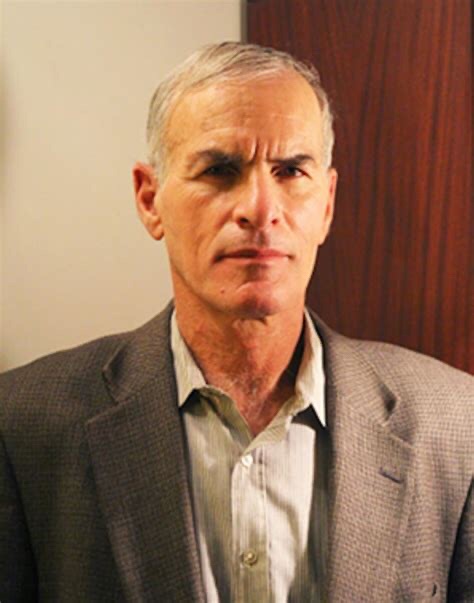
Norman Finkelstein is an American political scientist, author, and public intellectual best known for his critical writings on the Israel–Palestine conflict, Zionism, and the politics of Holocaust remembrance. His work is often controversial and has sparked both praise and criticism from various academic, political, and activist communities.
🧠 Background and Education
Full Name: Norman Gary Finkelstein Born: December 8, 1953, in Brooklyn, New York Education: B.A. from Binghamton University Ph.D. in Political Science from Princeton University (1988) His doctoral thesis focused on Zionism and the Israeli-Palestinian conflict.
His parents were both Holocaust survivors, which greatly influenced his views on justice, historical memory, and Jewish identity.
📚 Major Works and Themes
Finkelstein’s scholarship focuses on Israel’s occupation of Palestinian territories, Zionist ideology, and what he calls the “exploitation” of the Holocaust for political purposes. His most influential and controversial works include:
1. The Holocaust Industry (2000)
Subtitle: Reflections on the Exploitation of Jewish Suffering
Argues that the memory of the Holocaust has been politicized and commercialized, especially by Jewish organizations and the State of Israel. He criticizes the misuse of Holocaust memory to deflect criticism of Israeli policies.
2. Image and Reality of the Israel-Palestine Conflict (1995, updated editions)
Challenges mainstream Zionist narratives. Offers a historical analysis of the conflict, drawing attention to Palestinian rights and the consequences of Israeli occupation.
3. Beyond Chutzpah (2005)
Refutes claims by prominent lawyer Alan Dershowitz, especially around his book The Case for Israel. Accuses Dershowitz of plagiarism and distorting facts regarding Israel’s human rights record.
🧱 Academic and Career Challenges
Finkelstein was denied tenure at DePaul University in 2007 despite strong support from students and faculty. The tenure denial is widely believed to have been influenced by political pressure, notably from Alan Dershowitz, with whom Finkelstein had a public academic feud. This case ignited debates over academic freedom and the price of political dissent in U.S. academia.
🗣 Public Speaking and Activism
Finkelstein is known for his sharp, often confrontational speaking style. He supports Palestinian rights, but he is also critical of violent resistance and emphasizes the importance of international law and peaceful advocacy. He has been critical of both Israel’s policies and certain elements of the Palestinian leadership, especially Hamas.
🧭 Ideological Stance
Finkelstein identifies as a secular Jew with Marxist and leftist leanings. While critical of Zionism, he affirms the right of both Jews and Palestinians to live in peace. Supports a two-state solution based on 1967 borders, in line with international law.
💬 Quotes
“I don’t believe memory should be used as a weapon. It should be used to inspire justice, not justify injustice.”
— Norman Finkelstein
🔍 Summary
Norman Finkelstein is a provocative yet deeply knowledgeable figure in modern political discourse on Israel-Palestine. While his views have earned him admiration from pro-Palestinian activists and critics of Israeli policy, they have also placed him at odds with many mainstream scholars and political figures. His courage in confronting powerful narratives makes him one of the most uncompromising voices on issues of justice, memory, and human rights in the modern Middle East.
 ABRAHAMIC THEOLOGY