
The Prophet Muhammad said, “My similitude in comparison with the other prophets before me, is that of a man who has built a house nicely and beautifully, except for a place of one brick in a corner. The people go about it and wonder at its beauty, but say: ‘Would that this brick be putContinue reading “Prophetic Completion in Islam and Psalm 118:22 – A Comparative Reflection”
Category Archives: Uncategorized
Ishmael: The Rightful Heir of the Abrahamic Covenant – Revisiting Biblical Circumcision and Lineage
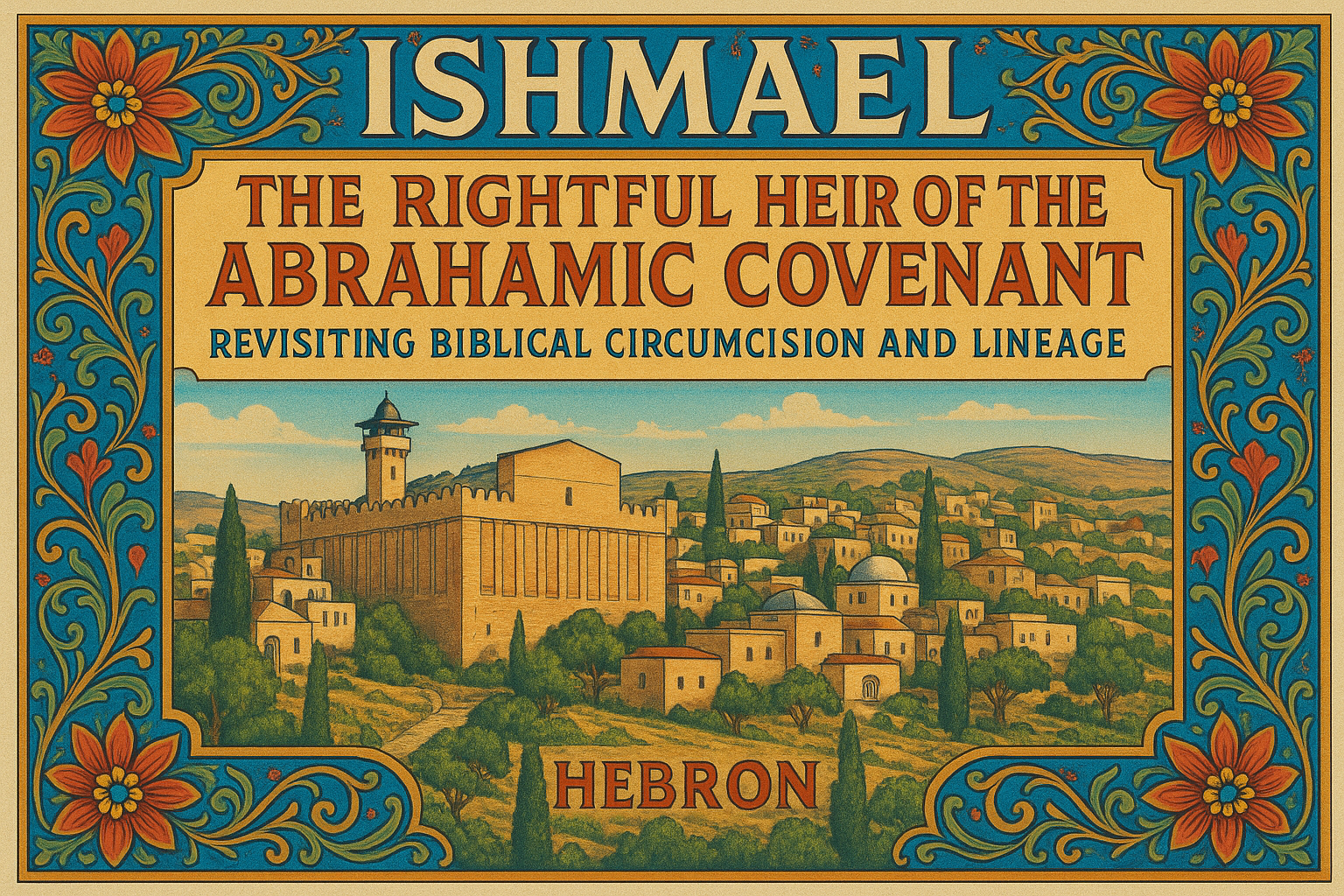
Azahari Hassim The Abrahamic covenant stands as a foundational pillar in the sacred histories of Judaism, Christianity, and Islam. Central to this covenant is the rite of circumcision, instituted by God as a binding sign between Himself and Abraham’s descendants. Traditionally, Jewish and Christian interpretations assert that Isaac, the son born to Abraham and Sarah,Continue reading “Ishmael: The Rightful Heir of the Abrahamic Covenant – Revisiting Biblical Circumcision and Lineage”
Gog and Magog: Medieval Jewish Link to the Khazars

Azahari Hassim The Jewish Encyclopedia (published 1901–1906) does indeed discuss the connection between the peoples of Gog and Magog and the Khazars, reflecting both medieval Jewish traditions and interpretations circulating at the time. Key Points from the Jewish Encyclopedia 1. Biblical and Apocalyptic Origins: Gog and Magog are originally biblical figures and nations mentioned inContinue reading “Gog and Magog: Medieval Jewish Link to the Khazars”
Gog and Magog: Their Religion and Obsession with the “Town”
Azahari Hassim The figures of Gog and Magog—known in Islamic tradition as Yajuj and Majuj—are shrouded in apocalyptic mystery across Abrahamic religions. While the Quran and Hadith literature provide limited but evocative details about them, interpretations and speculation abound. Among these is the idea that Gog and Magog may adhere to the Jewish faith andContinue reading “Gog and Magog: Their Religion and Obsession with the “Town””
Divine Immutability vs. the Trinity: Insights from the Tanakh, New Testament, and Arianism

Azahari Hassim The statement that “the idea of immutability is at odds with the Christian understanding of God in relation to the Trinity” highlights a profound theological tension. Let’s explore how this idea interacts with the scriptures of the Tanakh and the New Testament, as well as how it resonates with the Arian perspective. 1.Continue reading “Divine Immutability vs. the Trinity: Insights from the Tanakh, New Testament, and Arianism”
Reimagining Gog and Magog: Could Zionism Fulfill an Ancient Prophecy?

Azahari Hassim Reimagining Gog and Magog: Could Zionism Fulfill an Ancient Prophecy? What if everything we thought about biblical prophecy was backwards? Across the Abrahamic faiths—Judaism, Christianity, and Islam—Gog and Magog (known in Arabic as Ya’juj and Ma’juj) are end-times forces associated with chaos, war, and divine judgment. But what if those names don’t pointContinue reading “Reimagining Gog and Magog: Could Zionism Fulfill an Ancient Prophecy?”
Allah: The Arabic Name for the One God Across Abrahamic Faiths

Azahari Hassim The word “Allah” (in Arabic: الله) is the Arabic term for God, and it is used both among Muslims and among Arabic-speaking Christians to refer to the one and only God. In Islam, “Allah” is the sole deity, the creator, the ruler, and the provider of the world, and is considered to beContinue reading “Allah: The Arabic Name for the One God Across Abrahamic Faiths”
Isaac and Ishmael in Islamic Tradition: A Narrative of Trial and Reward
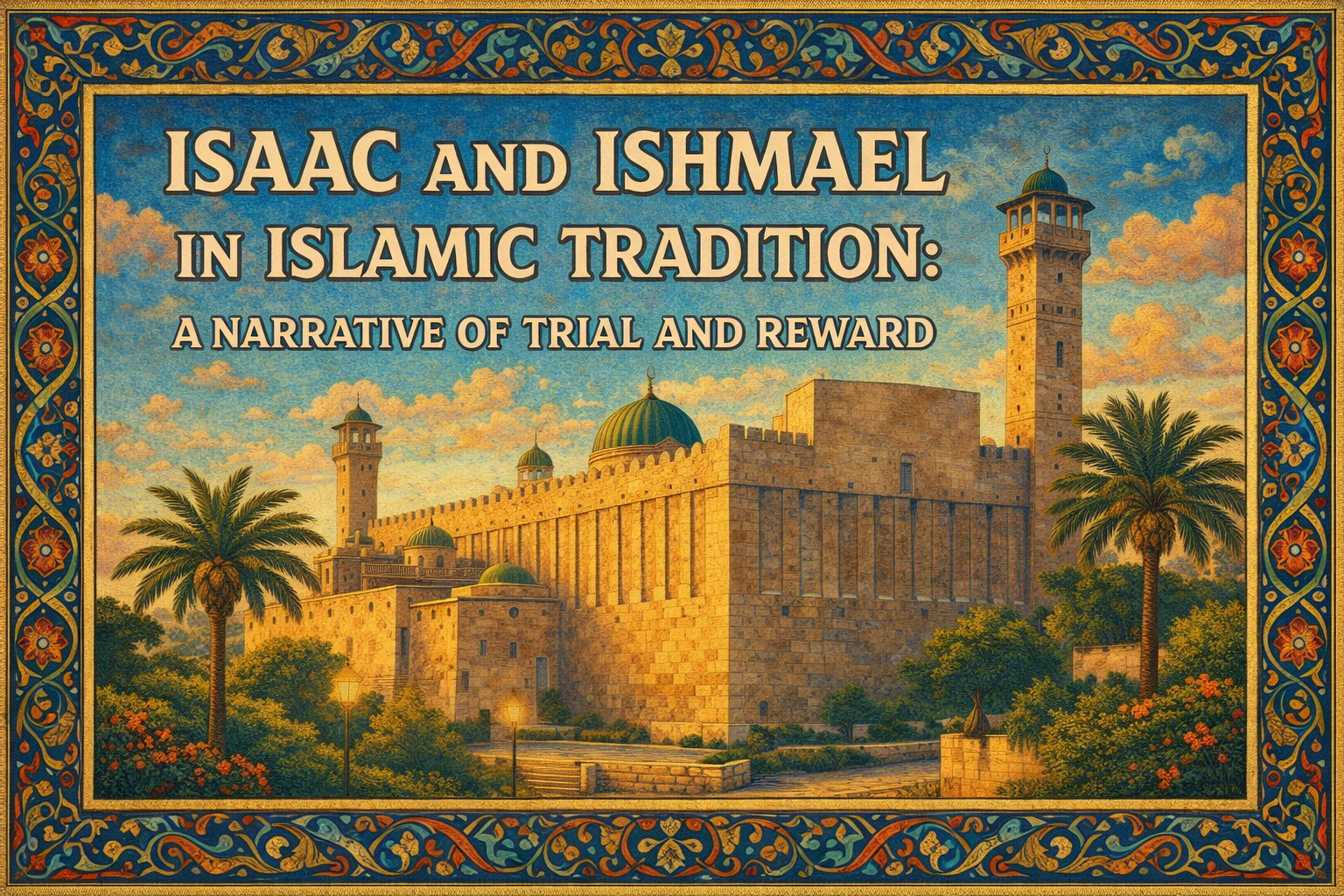
Azahari Hassim From the Islamic perspective, the story of Prophet Abraham and his sons, Ishmael and Isaac, is not merely a tale of lineage but a profound spiritual narrative that speaks to themes of faith, sacrifice, and divine reward. Central to this story is the contrasting yet complementary roles that Ishmael and Isaac play withinContinue reading “Isaac and Ishmael in Islamic Tradition: A Narrative of Trial and Reward”
Does God of Israel have a son?

Azahari Hassim The question of whether the God of Israel has a son is answered differently depending on the religious tradition—Judaism, Christianity, or Islam. Here’s a summary of each perspective: Judaism: No, God has no son.In Jewish theology, God is absolutely one (monotheism), indivisible, and without partners or offspring.The concept of God having a literalContinue reading “Does God of Israel have a son?”
The Priest of Midian: Jethro’s Role in Judaism and Islam
Azahari Hassim What is Jethro’s religion and what role does he play in the evolution of Judaism? Jethro, known as Yitro in Hebrew, is a significant figure in the Hebrew Bible. He was a Midianite priest and the father-in-law of Moses. Jethro’s religion, as a Midianite, would have been different from the monotheistic beliefs thatContinue reading “The Priest of Midian: Jethro’s Role in Judaism and Islam”

