Azahari Hassim Introduction Abraham (Ibrāhīm in Islam, Avraham in Judaism) stands as one of the most influential figures in the Abrahamic traditions. For Judaism, Christianity, and Islam, he is the patriarch of faith, the bearer of God’s covenant, and the archetype of submission to the divine will. Yet, each tradition interprets Abraham’s role in lightContinue reading “Abraham in Paul’s Theology: A Comparative Interfaith Reflection”
Category Archives: Uncategorized
Ishmael in Genesis 21: Baby vs. Mocking Teenager
Azahari Hassim Ishmael in Genesis 21: Baby vs. Mocking Teenager A Case for Interpolation in Genesis 21:9–10 The Core Contradiction Genesis 21 contains two irreconcilable portrayals of Ishmael: • Genesis 21:14–20: Ishmael is depicted as a helpless child—carried on Hagar’s shoulder, laid under a bush, and rescued by an angel. Verse 20 reinforces this image: “AndContinue reading “Ishmael in Genesis 21: Baby vs. Mocking Teenager”
Isaac or Ishmael? A Comparative Study of the Abrahamic Covenant in Islam and the Bible
Azahari Hassim 1. Why Islamic Scholars Believe the Torah Was Altered Regarding Ishmael The Qur’an accuses some Jewish scribes of altering scripture: “Do you hope they will believe you, when some of them used to hear the words of God then distort them after they had understood them, knowingly?” (Qur’an 2:75) “So woe to thoseContinue reading “Isaac or Ishmael? A Comparative Study of the Abrahamic Covenant in Islam and the Bible”
Abraham’s Near Sacrifice: Why No Torah Commemoration?

Azahari Hassim The story of Abraham’s near sacrifice of his son stands as one of the most dramatic and defining episodes in the shared heritage of the Abrahamic faiths. Known in Jewish tradition as the Akedah (“the binding”), this test of obedience demonstrates Abraham’s total submission to God. Yet one striking question remains: why doesContinue reading “Abraham’s Near Sacrifice: Why No Torah Commemoration?”
The Abrahamic Covenant and the Promise of the Land

Azahari Hassim The Abrahamic covenant has long been a cornerstone of theological discussion among Jews, Christians, and Muslims. While the Judeo-Christian tradition identifies Isaac as the covenant’s primary heir, a significant body of Islamic scholarship maintains that the covenant’s fulfillment comes through Ishmael—the forefather of the Prophet Muhammad. This interpretation emphasizes two core elements: theContinue reading “The Abrahamic Covenant and the Promise of the Land”
Dajjal on the Throne of Solomon: A Subtle Revelation in Surah Ṣād
Azahari Hassim In Islamic eschatology, there is a frequently repeated claim—that Dajjal, the great deceiver of the end times, is not explicitly mentioned in the Qur’an. However, a closer examination of Surah Ṣād (38:34–35) reveals a symbolic yet profound allusion. The verse describes a moment when Prophet Solomon (Sulayman عليه السلام) saw a body placedContinue reading “Dajjal on the Throne of Solomon: A Subtle Revelation in Surah Ṣād”
Islam and the True Heir of the Abrahamic Covenant: Ishmael, the Sacrificed Son
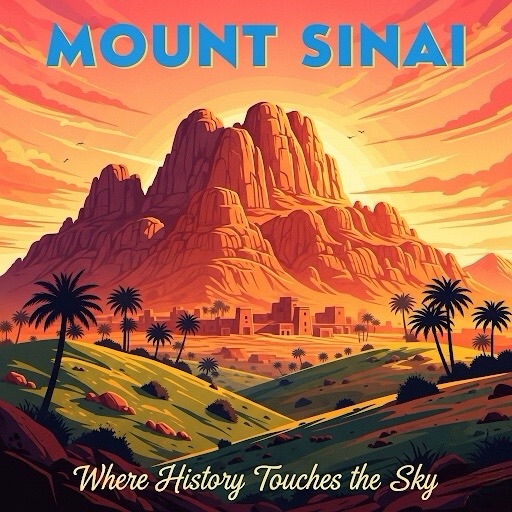
Azahari Hassim As one journeys through the sacred scriptures of the Abrahamic faiths, a profound theme emerges: God’s covenant with His chosen servants. In Islam, this covenant begins not at Mount Sinai with Moses, but much earlier—with Abraham (Ibrahim عليه السلام), the father of nations. Unlike the Jewish and Christian traditions, which uphold Isaac asContinue reading “Islam and the True Heir of the Abrahamic Covenant: Ishmael, the Sacrificed Son”
The Abrahamic and Sinai Covenants: An Islamic Perspective on Sacred Continuity and Relics

Azahari Hassim In the comparative theology of Abrahamic religions, the concept of divine covenants occupies a central role. Judaism, Christianity, and Islam all trace their spiritual lineage to the Prophet Abraham (Ibrahim عليه السلام), but they diverge in their understanding of which covenant is binding and through whom it continues. One unique Islamic perspective highlightsContinue reading “The Abrahamic and Sinai Covenants: An Islamic Perspective on Sacred Continuity and Relics”
The holy land of the Bible in the Quran

Azahari Hassim The holy land of the Bible in the Quran The concept of a Holy Land holds deep spiritual and historical significance in the Abrahamic traditions. While the Bible frequently refers to a promised land granted to the descendants of Abraham, the Quran also affirms the sanctity of this region, particularly the area knownContinue reading “The holy land of the Bible in the Quran”
Isaac: A Son of Joy, Not Sacrifice — Rethinking the Identity of the Sacrificial Son
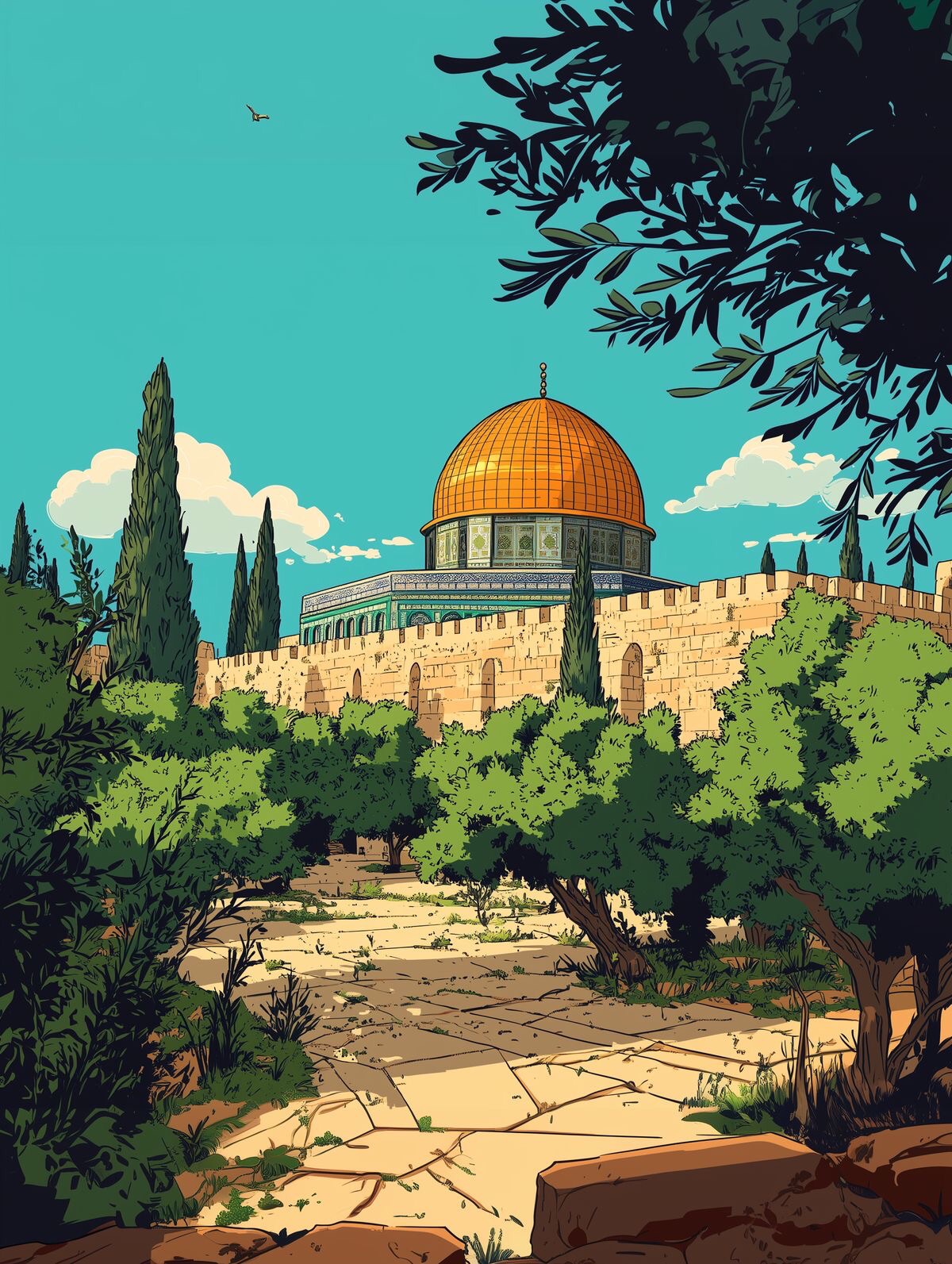
Azahari Hassim Isaac: A Son of Joy, Not Sacrifice — Rethinking the Identity of the Sacrificial Son The story of Abraham’s willingness to sacrifice his son is one of the most profound and contested episodes in the Abrahamic traditions. While the Hebrew Bible clearly names Isaac as the intended sacrifice, Islamic tradition maintains that itContinue reading “Isaac: A Son of Joy, Not Sacrifice — Rethinking the Identity of the Sacrificial Son”
 ABRAHAMIC THEOLOGY