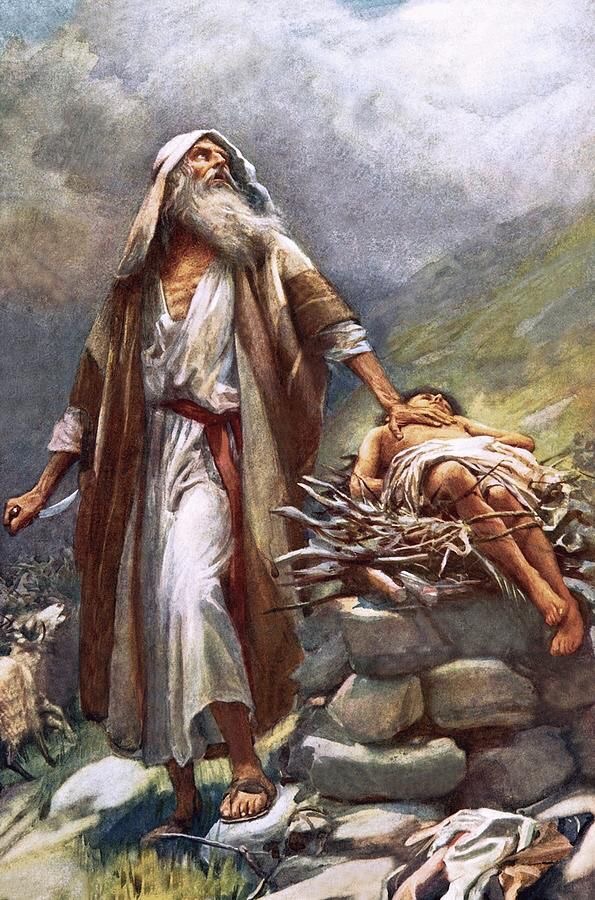
Azahari Hassim 🔹 Ishmael and Isaac: Sons of Abraham, Different Paths of Dedication Introduction The story of Abraham’s two sons, Ishmael and Isaac, is central to the shared heritage of Judaism, Christianity, and Islam. While both sons embody Abraham’s devotion to God, their roles and legacies differ in ways that shaped the theological horizons ofContinue reading “Ishmael and Isaac: Sons of Abraham, Different Paths of Dedication”
Author Archives: Azahari Hassim
The Qur’an’s Silence vs. the Torah’s Voice
Azahari Hassim ✦ The Qur’an’s Silence vs. the Torah’s Voice The Qur’an does retell the Abrahamic narrative but leaves certain elements unspoken: Hagar’s name, the name of the son to be sacrificed, circumcision, and even Zamzam. ⸻ ✦ Introduction The Qur’an recounts the story of Abraham (Ibrāhīm عليه السلام) with remarkable depth — his searchContinue reading “The Qur’an’s Silence vs. the Torah’s Voice”
The Eschatological Supremacy of Jesus in Islam: Greater than the Mahdi
Azahari Hassim ✦ The Eschatological Supremacy of Jesus in Islam: Greater than the Mahdi ✦ ⸻ In Islamic eschatology, both Jesus and the Imam Mahdi are central figures expected to appear in the end times. However, their roles differ significantly in scope and theological significance. While the Mahdi is recognized as a righteous leader whoContinue reading “The Eschatological Supremacy of Jesus in Islam: Greater than the Mahdi”
Until Shiloh Comes: The Transfer of Covenant from Sinai to Abraham through Ishmael

Azahari Hassim 📜 Until Shiloh Comes: The Transfer of Covenant from Sinai to Abraham through Ishmael Introduction 🌟 Genesis 49:10 stands as one of the most profound prophecies in the Hebrew Bible, where Jacob’s blessing to Judah speaks of a mysterious figure called “Shiloh”. For centuries, both Jewish and Christian traditions have understood this verseContinue reading “Until Shiloh Comes: The Transfer of Covenant from Sinai to Abraham through Ishmael”
The Ark of the Covenant and the Kaaba: Two Stages of God’s Covenantal Unfolding in Islamic Perspective
Azahari Hassim 📦🕋 The Ark of the Covenant and the Kaaba: Two Stages of God’s Covenantal Unfolding in Islamic Perspective Introduction In the history of Abrahamic faiths, sacred objects and sanctuaries have often served as visible signs of God’s covenant with humankind. From an Islamic perspective, both the Ark of the Covenant and the KaabaContinue reading “The Ark of the Covenant and the Kaaba: Two Stages of God’s Covenantal Unfolding in Islamic Perspective”
A Nontraditional Chronological Reading of Genesis: Ishmael’s Role in the Sequence of Covenants
Azahari Hassim 🕊️ A Nontraditional Chronological Reading of Genesis: Ishmael’s Role in the Sequence of Covenants This argument represents a nontraditional chronological reading of Genesis that seeks to reconcile narrative and covenantal tensions surrounding Abraham, Ishmael, and Isaac. It reorders the events to portray Ishmael—not Isaac—as the son tested in the near-sacrifice episode, interpreting GenesisContinue reading “A Nontraditional Chronological Reading of Genesis: Ishmael’s Role in the Sequence of Covenants”
Abraham in Paul’s Theology: A Comparative Interfaith Reflection
Azahari Hassim Introduction Abraham (Ibrāhīm in Islam, Avraham in Judaism) stands as one of the most influential figures in the Abrahamic traditions. For Judaism, Christianity, and Islam, he is the patriarch of faith, the bearer of God’s covenant, and the archetype of submission to the divine will. Yet, each tradition interprets Abraham’s role in lightContinue reading “Abraham in Paul’s Theology: A Comparative Interfaith Reflection”
Ishmael in Genesis 21: Baby vs. Mocking Teenager
Azahari Hassim Ishmael in Genesis 21: Baby vs. Mocking Teenager A Case for Interpolation in Genesis 21:9–10 The Core Contradiction Genesis 21 contains two irreconcilable portrayals of Ishmael: • Genesis 21:14–20: Ishmael is depicted as a helpless child—carried on Hagar’s shoulder, laid under a bush, and rescued by an angel. Verse 20 reinforces this image: “AndContinue reading “Ishmael in Genesis 21: Baby vs. Mocking Teenager”
Isaac or Ishmael? A Comparative Study of the Abrahamic Covenant in Islam and the Bible
Azahari Hassim 1. Why Islamic Scholars Believe the Torah Was Altered Regarding Ishmael The Qur’an accuses some Jewish scribes of altering scripture: “Do you hope they will believe you, when some of them used to hear the words of God then distort them after they had understood them, knowingly?” (Qur’an 2:75) “So woe to thoseContinue reading “Isaac or Ishmael? A Comparative Study of the Abrahamic Covenant in Islam and the Bible”
Abraham’s Near Sacrifice: Why No Torah Commemoration?

Azahari Hassim The story of Abraham’s near sacrifice of his son stands as one of the most dramatic and defining episodes in the shared heritage of the Abrahamic faiths. Known in Jewish tradition as the Akedah (“the binding”), this test of obedience demonstrates Abraham’s total submission to God. Yet one striking question remains: why doesContinue reading “Abraham’s Near Sacrifice: Why No Torah Commemoration?”

