
Azahari Hassim
The word “Allah” (in Arabic: الله) is the Arabic term for God, and it is used both among Muslims and among Arabic-speaking Christians to refer to the one and only God.
In Islam, “Allah” is the sole deity, the creator, the ruler, and the provider of the world, and is considered to be the same God of Israel and of Christianity, although there are significant differences in religious concepts—for example, Islam rejects the idea of the Holy Trinity that is accepted in Christianity.
In Muslim tradition, Allah is an absolutely monotheistic God: ancient and eternal, creator of all things, overseeing them, and there is none like Him. In both Sunni and Shia perspectives, Allah is seen as an entity with no partners, no division, and no physical form. Muslims believe that only Allah should be worshipped, and He alone is worthy of worship.
Arabic-speaking Christians also use the word “Allah” to refer to God, and they have no other word for this. That is, “Allah” is not a private name of a Muslim god only, but rather the Arabic version of the word “God,” and from the perspective of the Arabic language, it is the same monotheistic God of all nations.
Belief in Allah is a fundamental principle of Islam, and it includes recognition of Allah as creator, as leader, and as provider, as well as belief in His uniqueness, His names, and His attributes. According to Islam, every person can turn to Him directly, without intermediaries.
In summary, “Allah” is the name of God in the Arabic language, and it represents the same one and only God—the God of Israel, the God of Christianity, and the God of Islam—although each religion interprets His essence and attributes in its own way.

Do Arab Jews refer to the Tetragrammaton “YHWH” as “Allah” in their Arabic literary works?
Yes, many Arab Jews—including Yemenite, Iraqi, Egyptian, and Levantine Jews—used the word “Allah” to refer to the God of Israel in their Arabic literary, religious, and liturgical works. This includes texts written in Judeo-Arabic, a form of Arabic written in Hebrew script.
Key Points:
1. Use of “Allah” for YHWH
In Arabic, “Allah” is the standard term for “God,” and this was naturally adopted by Arabic-speaking Jews.
The Tetragrammaton (YHWH) was never pronounced aloud by Jews, whether in Hebrew or Arabic, due to its sanctity. Instead, Jews substituted:
• “Adonai” in Hebrew readings.
• “Allah” in Arabic translations and discussions.
2. Judeo-Arabic Translations and Commentaries
The Torah translations of Saadia Gaon (10th century), one of the earliest Judeo-Arabic translators, consistently use “Allah” as the Arabic equivalent for the Tetragrammaton.
Jewish biblical commentaries, philosophical texts (like Maimonides’ Guide for the Perplexed), and liturgical works in Arabic often use “Allah” where Hebrew texts use “YHWH”.
3. Cultural and Linguistic Context
“Allah” was not considered an Islamic term specifically, but a general Arabic term for the one true God.
Just as Christian Arabs use “Allah” in the Arabic Bible, so did Arabic-speaking Jews.
They distinguished their theological understanding of “Allah” (the God of Abraham, Isaac, and Jacob) from that of Muslims by context and doctrine, not vocabulary.
4. Substitutes and Euphemisms
In oral piety or informal writings, Arab Jews might also use:
“Rabb” (Lord)
“Al-Mawlā” (The Master)
“Al-Ḥaqq” (The Truth)
“Adonai” in Hebrew contexts, sometimes written in transliteration.
Conclusion:
Yes, Arab Jews referred to YHWH as “Allah” in Arabic religious and literary contexts. This usage was linguistically natural and religiously appropriate within the framework of Arabic monotheism. It reflected a shared Semitic linguistic heritage, even while maintaining theological distinctions from Islamic use.
Why do Jews use the term “G-d” rather than writing out the word “God”?
What is the reason behind the usage of “G-d” by Jews instead of writing the word “God”?
The reason behind the usage of “G-d” by Jews instead of writing the word “God” is rooted in the Jewish tradition of treating God’s name with utmost reverence and respect. In Judaism, the name of God is considered holy and should not be erased or defaced.
By omitting the letter “o” in “God” and replacing it with a hyphen, Jews are avoiding directly spelling out God’s name in full to prevent any potential desecration. This practice stems from the commandment in the Torah to not take God’s name in vain (Exodus 20, verse 7), as well as from a general sense of awe and reverence for the divine. By using “G-d,” Jews are demonstrating their commitment to upholding this tradition and showing respect for God’s sacred name.
Does God of Israel have a son?
The question of whether the God of Israel has a son is answered differently depending on the religious tradition—Judaism, Christianity, or Islam. Here’s a summary of each perspective:
Judaism:
No, God has no son.
In Jewish theology, God is absolutely one (monotheism), indivisible, and without partners or offspring.
The concept of God having a literal or divine son is firmly rejected.
While kings like David were sometimes metaphorically called “sons of God” (Psalm 2, verse 7), this was understood in a symbolic or covenantal sense—not a divine or literal sonship.
Christianity:
Yes, God has a Son—Jesus Christ.
Christians believe that Jesus is the Son of God, begotten not made, and of one essence with the Father (as expressed in the Nicene Creed).
The title “Son of God” means more than a metaphor; it affirms the divinity of Jesus and his unique relationship with God the Father.
This belief is central to Christian doctrine and salvation theology.
Islam:
No, God (Allah) has no son.
The Qur’an explicitly denies that God has any children or partners:
“He begets not, nor is He begotten” (Qur’an, Surah 112, verse 3).
Calling God the “father” or claiming that He has a son is seen as a serious theological error (shirk), contradicting the core Islamic belief in the absolute oneness (tawhid) of God.
Thus, the belief that the God of Israel has a son is affirmed in Christianity, but denied in both Judaism and Islam—each for distinct theological reasons rooted in their respective scriptures and conceptions of divine unity.
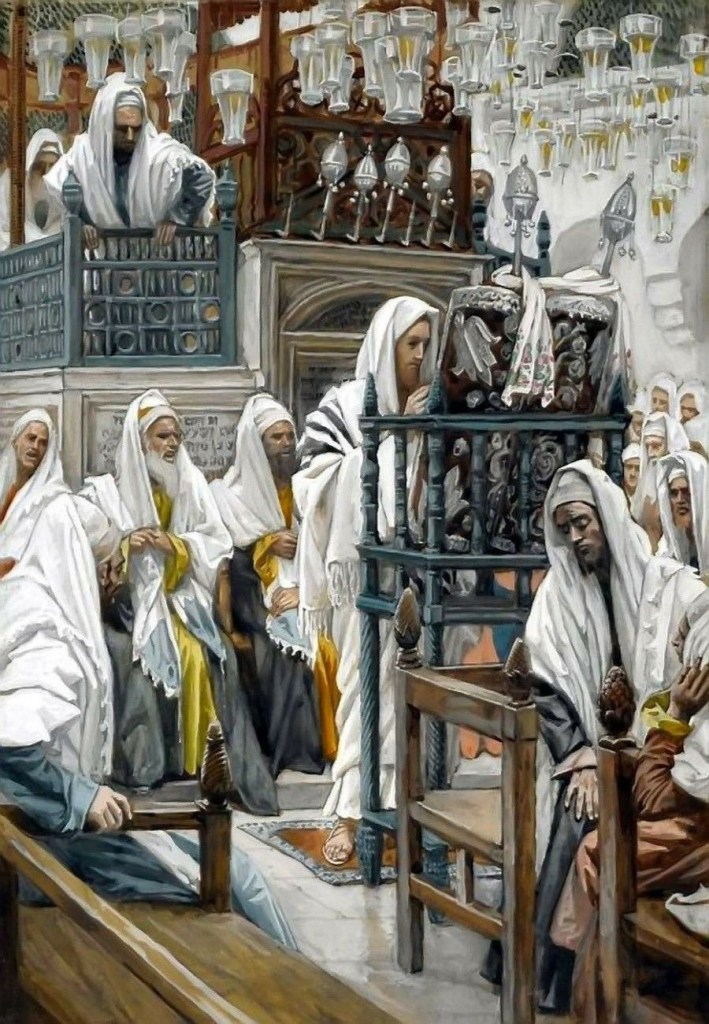
The Hebrew Bible, the Trinity, and the Quran: A Brief Reflection
The Hebrew Bible, central to Jewish faith, firmly upholds the absolute oneness of God, as seen in the Shema (Deuteronomy 6:4). However, when Christianity adopted these scriptures as the Old Testament, it introduced Trinitarian hermeneutics — interpreting the texts in a way that supported the belief in one God in three persons: Father, Son, and Holy Spirit. Some argue this approach distorts the original monotheistic message of the Hebrew Bible.
In response to such theological developments, Islam presents the Quran as the final revelation, aimed at safeguarding God’s unity (tawhid). The Quran challenges the concept of the Trinity, reaffirming that God is singular, eternal, and without equal. Thus, while all three Abrahamic faiths deeply honor divine revelation, they differ significantly in interpreting and preserving the oneness of God.
 ABRAHAMIC THEOLOGY