Azahari Hassim
Prior to the formulation of the Nicene Creed in 325 CE, certain Christian scholars and theologians expressed Unitarian beliefs, focusing on the singularity of God and rejecting the doctrines of the Trinity. These figures typically aligned with early theological traditions that emphasized the Father as the sole God. Some of these individuals include:
1. Theodotus of Byzantium (late 2nd century):
Theodotus taught that Jesus was a man who was adopted as the Son of God at his baptism (“Adoptionism”). He rejected the idea of Jesus being divine by nature, affirming the singularity of God, and was excommunicated for his views.
2. Paul of Samosata (3rd century):
Paul, a bishop of Antioch, was a key figure in early Christian Monarchianism, emphasizing the unity of God. He taught that Jesus was a man endowed with divine wisdom and power but not preexistent or divine in nature. His views were condemned at the Synod of Antioch (268 CE).
3. Artemon (2nd–3rd century):
Artemon is associated with a form of Monarchianism, maintaining that early Christian doctrine affirmed that Jesus was merely human and not divine. He argued that the belief in Christ’s divinity was a later development.
4. Ebionites (1st–4th centuries):
The Ebionites were an early Jewish-Christian group that rejected the divinity of Jesus and the preexistence doctrine. They viewed Jesus as a prophet and the Messiah but emphasized the absolute unity of God.
5. Photinus of Sirmium:
Photinus was a 4th-century bishop who rejected the Trinity, viewing God as a singular entity rather than three distinct persons. His beliefs conflicted with orthodox Christian teachings, particularly the Nicene Creed established in 325 AD, which affirmed the Trinitarian view. Photinus emphasized God’s unity but was eventually condemned as a heretic by the Church for opposing the established doctrine.
6. Origen (184–253 CE):
Although Origen is often considered a precursor to later Trinitarian thought, he also emphasized the subordination of the Son to the Father. His theological framework left room for interpretations that leaned toward a Unitarian understanding of the supremacy of the Father.
7. Arianism and Arius (c. 250–336 CE):
Arius, though post-Nicene, was active before the council and denied the co-eternity and consubstantiality of the Son with the Father. He argued that the Son was created by the Father and therefore subordinate, aligning with a Unitarian emphasis on God’s singularity.
8. Early Jewish Christians:
Many early Jewish Christians, including those in the Nazarean and Ebionite communities, maintained strict monotheism. They rejected the idea of Jesus’ divinity and upheld the belief in God as a singular being.
These figures and groups represent diverse streams of early Christian thought that diverged from the later Trinitarian orthodoxy solidified at the Council of Nicaea. Their beliefs highlight the rich and contested theological debates of early Christianity.
Monotheism: Unitarian and Trinitarian
Does the term “monotheism” include both Unitarians and Trinitarians?
Yes, the term “monotheism” broadly refers to the belief in a single, all-powerful God. Both Unitarians and Trinitarians are considered monotheists, but they understand the nature of God differently.
Unitarians typically believe in the oneness of God and reject the concept of the Trinity, emphasizing the singular nature of God.
Trinitarians, on the other hand, believe in a Triune God, meaning that one God exists in three persons: the Father, the Son (Jesus Christ), and the Holy Spirit, yet these three are co-equal and co-eternal.
While both groups affirm the existence of one God, their interpretations and theological understandings of that oneness differ significantly. Therefore, in a broader sense, both Unitarians and Trinitarians can be included under the umbrella of monotheism, but with important distinctions in their beliefs about the nature of God.
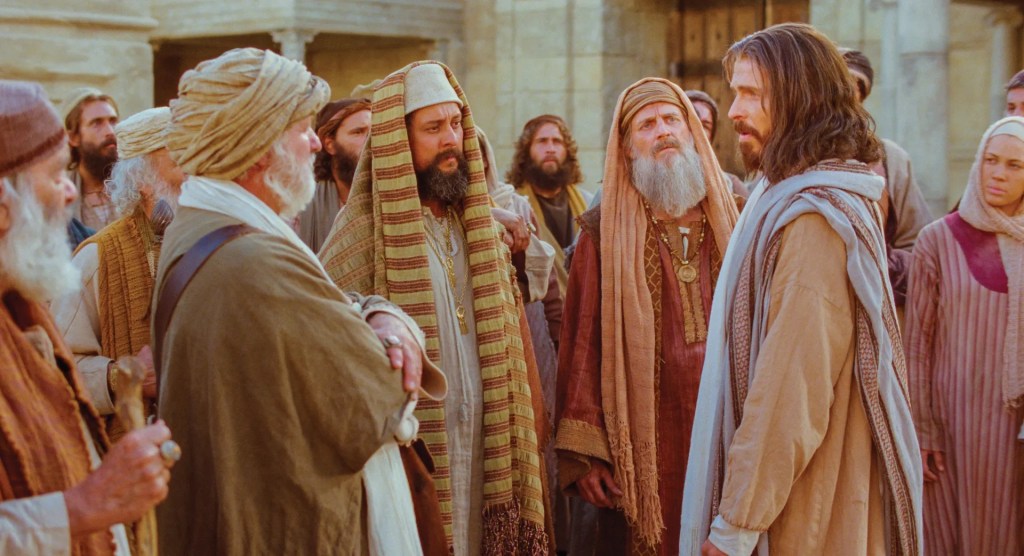
“The most important one,” answered Jesus, “is this: ‘Hear, O Israel: The Lord our God, the Lord is one. Love the Lord your God with all your heart and with all your soul and with all your mind and with all your strength.'”
(Mark 12:28-31)
Which view of monotheism aligns better with Jesus’ statement in John 17, verse 3: Unitarian or Trinitarian?
In John 17, verse 3, Jesus says:
“Now this is eternal life: that they know you, the only true God, and Jesus Christ, whom you have sent.”
This highlights the differences between Unitarianism, which sees God as a single entity and views Jesus as a prophet, and Trinitarianism, which believes in one God in three persons, including the divine nature of Jesus.
Analysis of John 17, verse 3 shows that Jesus references God the Father as the “only true God,” aligning with Unitarian views of God’s singularity. Jesus’ distinction between himself and the Father supports this perspective, as it implies a subordinate role for Jesus.
On the other hand, Trinitarians may argue that this verse acknowledges the relational aspect of the Trinity, asserting that Jesus’ focus on the Father does not lessen his own divinity.
In conclusion, Unitarianism seems to align more closely with John 17, verse 3, emphasizing God’s oneness and the distinction between God and Jesus. However, Trinitarians argue that their interpretation encompasses a unified yet complex view of God. Ultimately, interpretations depend on underlying theological beliefs.
How does the Hebrew Bible teach monotheism?
The Book of Isaiah in the Hebrew Bible contains several passages that emphasize the unity and singular nature of God, which are often cited in discussions about monotheism. Here are a few key verses from Isaiah that highlight the unity of God:
- Isaiah 44, verse 6: “Thus says the LORD, the King of Israel and his Redeemer, the LORD of hosts: ‘I am the first and I am the last; besides me there is no god.’”
This verse clearly articulates the oneness of God, stating that there is no other deity besides Him. - Isaiah 45, verse 5: “I am the LORD, and there is no other, apart from me there is no God; I will strengthen you, though you have not acknowledged me,”.
Again, this asserts the exclusivity of God as the only divine being, emphasizing that no other gods exist alongside Him. - Isaiah 45, verse 18: “For thus says the LORD, who created the heavens (he is God!), who formed the earth and made it (he established it; he did not create it empty, he formed it to be inhabited!): ‘I am the LORD, and there is no other.’”
This verse not only speaks to God’s uniqueness but also to His role as the sole creator of the universe, reinforcing the idea of His singular divinity. - Isaiah 46, verse 9: “Remember the former things of old; for I am God, and there is no other; I am God, and there is none like me,”.
This verse emphasizes the uniqueness of God, stating there is none like Him, highlighting His distinct nature and the exclusivity of His divinity.
These verses from Isaiah are often used to support the concept of monotheism, a core belief in Judaism, Christianity, and Islam, albeit each religion understands and interacts with this concept differently. In the context of Islamic teachings, similar verses from the Quran echo these themes to assert the oneness of God against polytheistic beliefs and theological concepts like the Trinity in Christianity.
The Quran, Torah, and Trinity
Some scholars argue that the Quran complements the Torah given to the Jews, as the Torah does not contain a description of God’s nature mentioned in Surah 112 verse 3 of the Quran, which questions the idea of Trinity. How can this argument be clarified?
The topic you bring up involves several layers of religious interpretation and debate among scholars. Let’s unpack this step by step:
1. Surah 112 (Al Ikhlas) of the Quran:
This is a short chapter (surah) that describes the oneness of God (tawhid). The verses you’re referring to are:
Say, “He is Allah, [who is] One,
Allah, the Eternal Refuge.
He neither begets nor is born,
Nor is there to Him any equivalent.”
This is a clear declaration of monotheism and negates the idea of God having offspring or being born from something. Many interpret this as a challenge to the Christian idea of the Trinity and God’s sonship.
2. The Torah and God’s Description:
While it’s true that the Torah emphasizes the oneness of God, the Torah does not contain the explicit language found in Surah 112 of the Quran regarding God not begetting nor being begotten. This difference is often cited as evidence for the Quran being a complementary revelation.
3. Quran as Complementary:
The Quran itself claims to be a final testament that confirms what came before it (previous scriptures) and also acts as a guardian over them, correcting any deviations or misunderstandings. This is the foundation of the belief that the Quran is complementary to earlier revelations like the Torah.
However, it’s essential to understand that these interpretations and beliefs are rooted in faith and religious traditions. The interpretation of scriptures, whether it’s the Torah, Bible, or Quran, can vary widely among scholars and believers within their respective faiths.
How does Christianity and Judaism view the Holy Spirit differently?
What are the key theological distinctions between Judaism and Christianity regarding the Holy Spirit?
Here are some key theological distinctions between Judaism and Christianity regarding the Holy Spirit:
- Judaism:
In Judaism, the Holy Spirit (Ruach HaKodesh) is seen as a divine force or presence from God, not a distinct person or entity.
It is often associated with prophecy, inspiration, and the empowerment of individuals to perform God’s will.
The Holy Spirit is considered a means through which God communicates with and influences the world.
It is not worshipped as a separate being but is understood as an aspect of God’s interaction with humanity. - Christianity:
In Christianity, the Holy Spirit is one of the three persons of the Holy Trinity (Father, Son, and Holy Spirit).
The Holy Spirit is considered fully divine and co-equal with God the Father and Jesus Christ.
The Holy Spirit is believed to dwell within believers, guiding, comforting, and empowering them.
It plays a crucial role in the process of salvation, sanctification, and the ongoing spiritual life of Christians. - Key Differences:
Judaism views the Holy Spirit as a divine force, while Christianity sees it as a distinct person within the Trinity.
In Christianity, the Holy Spirit is worshipped as part of the Godhead, whereas in Judaism, it is not worshipped separately from God.
The Holy Spirit’s role in Christianity includes indwelling believers and being actively involved in their spiritual lives, which is not a concept present in Judaism.
These distinctions highlight the different theological frameworks and understandings of the Holy Spirit in Judaism and Christianity.
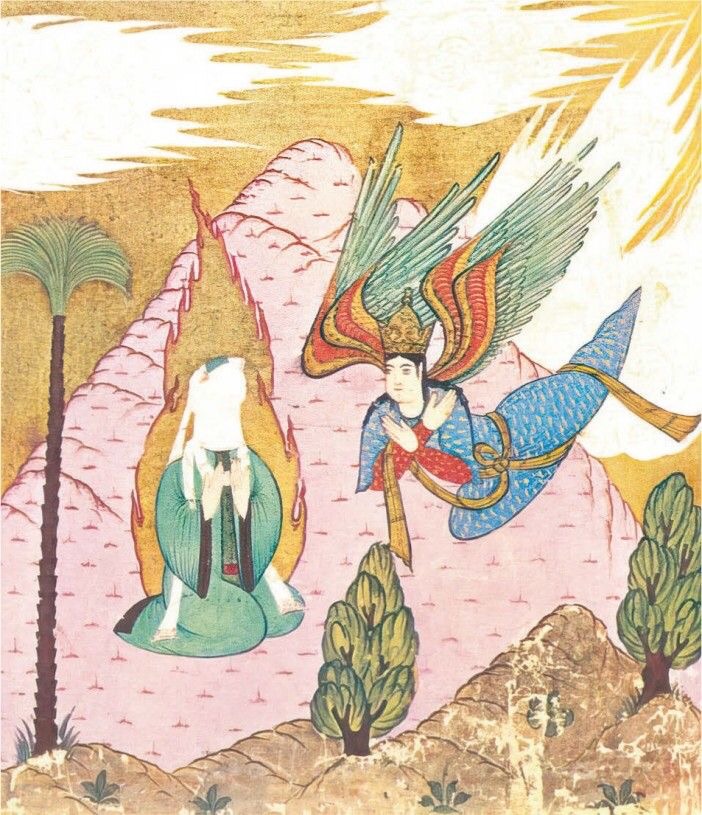
How does Surah 16, verse 102 in the Quran relate to the concept of the Holy Spirit in Judaism?
Surah 16, verse 102 in the Quran states,
“Say, ‘The Holy Spirit has brought it down from your Lord with truth to make firm those who believe and as guidance and good news to the Muslims.'”
In Islamic tradition, this Holy Spirit is often identified with the angel Gabriel.
This concept of the Holy Spirit in Islam has some similarities with the Jewish understanding of the Holy Spirit (Ruach HaKodesh), as described in the provided information:
- Divine Messenger: In both traditions, the Holy Spirit is seen as a means through which God communicates with humanity. In Judaism, it’s associated with prophecy and inspiration, while in Islam, it’s linked to bringing divine revelation.
- Not a Distinct Person: Similar to Judaism, Islam does not view the Holy Spirit as a distinct person of the Godhead. This contrasts with the Christian concept of the Trinity.
- Divine Force or Presence: Both Judaism and Islam see the Holy Spirit more as a divine force or presence rather than a separate entity to be worshipped.
- Empowerment: In Judaism, the Holy Spirit is associated with empowering individuals to perform God’s will. Similarly, in Islam, the Holy Spirit (as Gabriel) empowers the Prophet to receive and convey Allah’s message.
However, there are also some differences:
- Identification: While Judaism doesn’t typically identify the Holy Spirit with a specific angelic being, Islam often associates it with the angel Gabriel.
- Specific Role: In Islam, the Holy Spirit’s role is more specifically tied to the transmission of divine revelation, whereas in Judaism, its role is broader, including general inspiration and prophecy.
It’s important to note that while there are these similarities and differences, the theological frameworks of Judaism and Islam remain distinct, each with its own unique understanding of the nature of God and divine interaction with the world.
 ABRAHAMIC THEOLOGY