Azahari Hassim
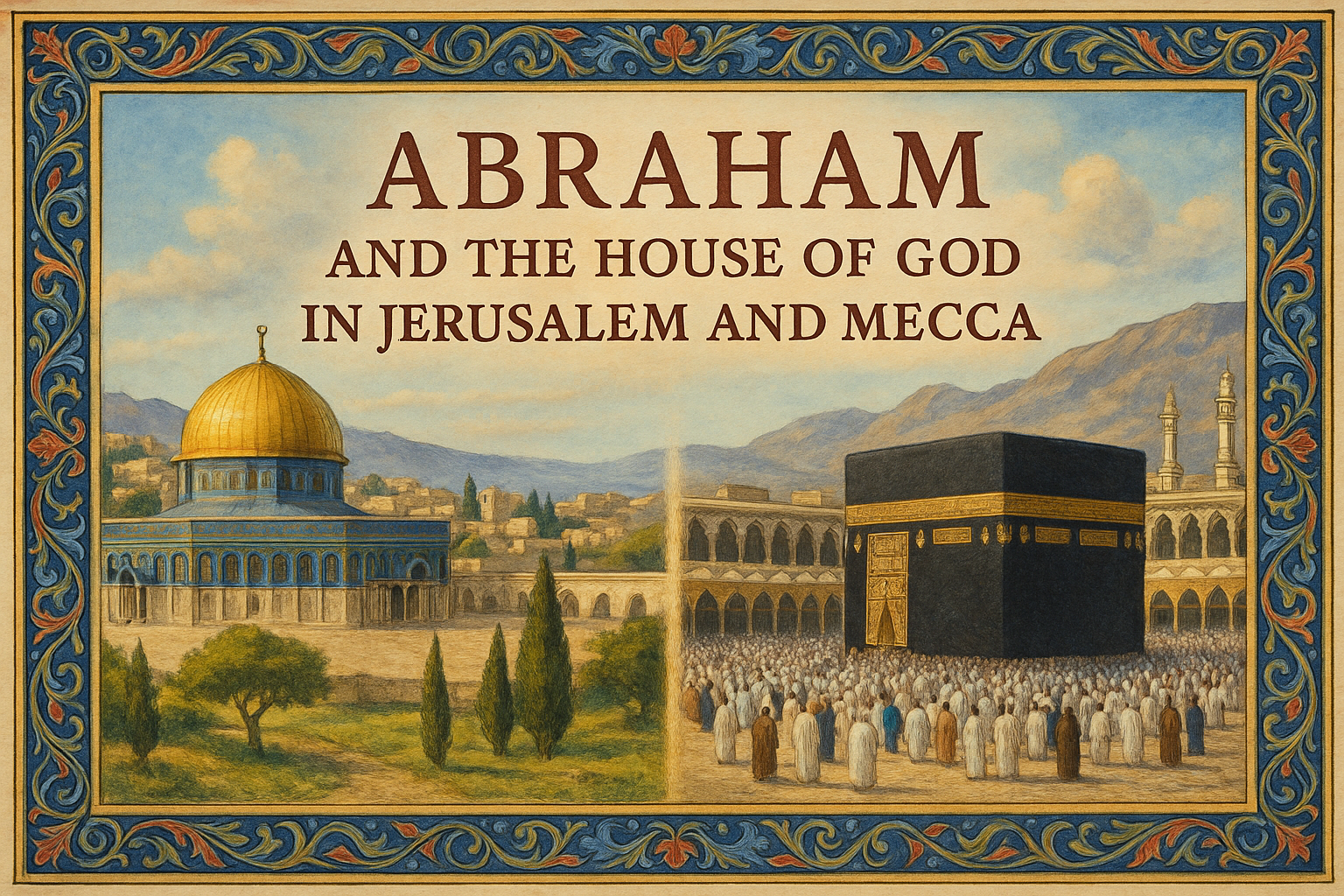
Did Moses and Abraham know that the temple would be built in Jerusalem?
The Bible does not explicitly state that Moses and Abraham knew about the future construction of the Temple in Jerusalem. However, both figures are significant in the Jewish tradition regarding the covenant with God and the eventual establishment of a central place of worship.
1. Abraham: He is often associated with the land of Canaan, which includes Jerusalem. The biblical narrative highlights that he established altars and worshiped God in various locations, symbolizing a connection to the land that would later become significant in Jewish history.
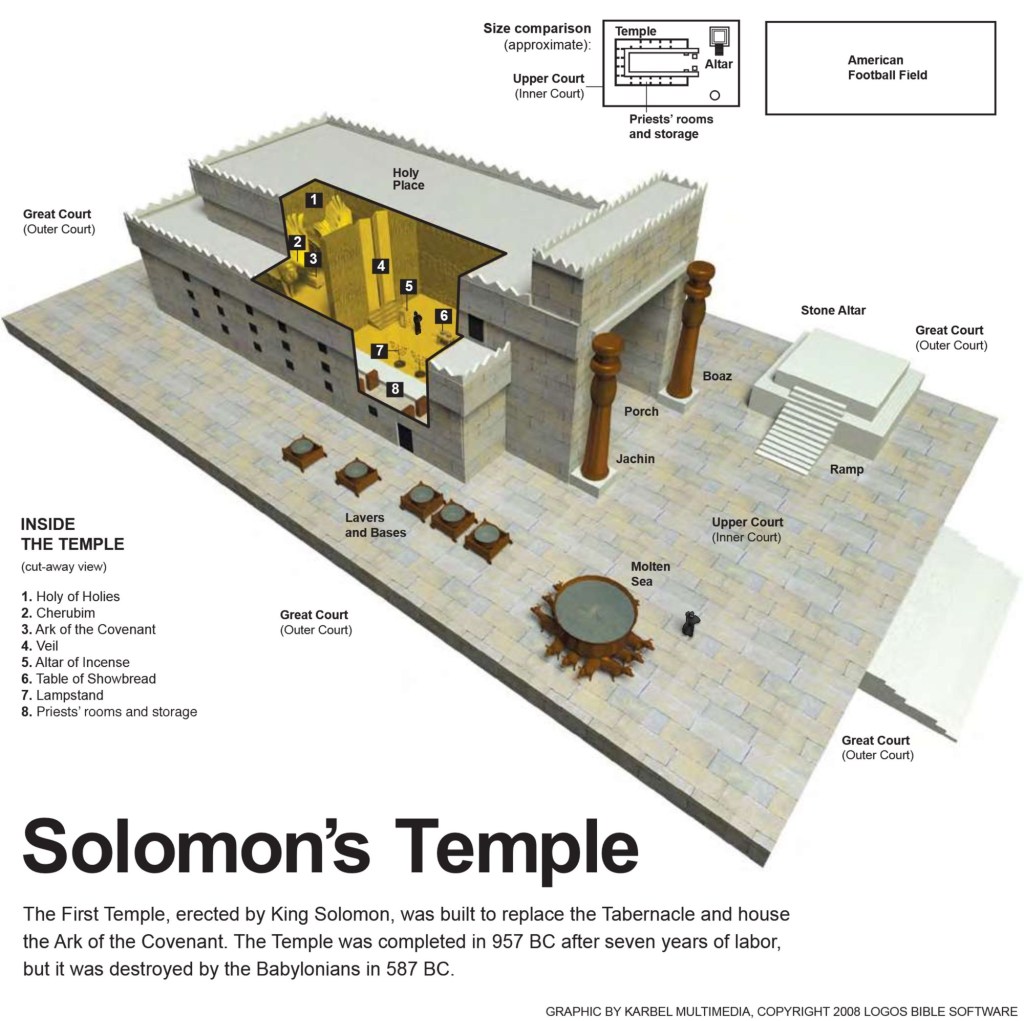
2. Moses: He led the Israelites out of Egypt and received the Law at Mount Sinai. His connection to the Tabernacle, a mobile sanctuary, is significant, as it laid the groundwork for central worship in the future. The establishment of the Temple in Jerusalem is often viewed as a fulfillment of the promise of a permanent dwelling place for God, but there is no direct indication that Moses was aware of the future Temple.
In Jewish tradition, the idea of a Temple in Jerusalem is connected to prophecies and promises made later in the biblical narrative, particularly during the time of King David and Solomon. Therefore, while Moses and Abraham played crucial roles in the religious history of the Israelites, there is no definitive evidence that Moses and Abraham had knowledge of the Temple’s future construction.
“Abraham recognized his Creator when he was three years old… He said, ‘It is impossible that this world should have no guide,’ and he began to seek after God.”
(Midrash Tanchuma, Lech Lecha 2)
This midrash shows Abraham as a seeker of truth who rejected the idolatry around him, becoming a model of discovery and monotheism.
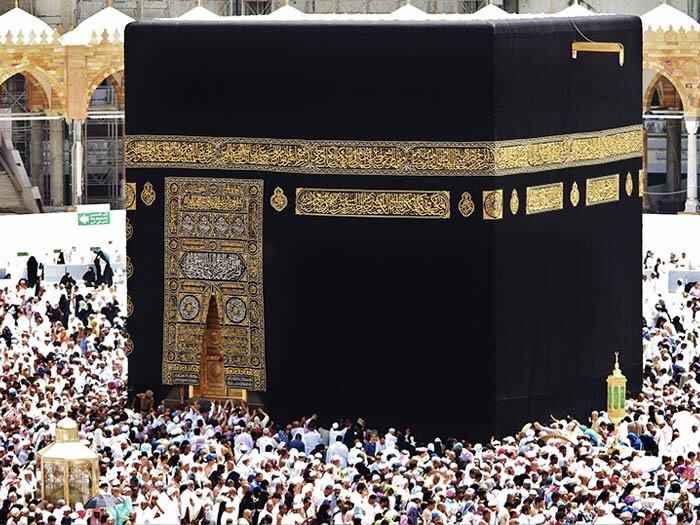
How is Abraham linked to the Kaaba (House of God) in Mecca in Islam?
In Islam, Abraham is deeply connected to the Kaaba in Mecca, which is regarded as the House of God. According to Islamic tradition:
1. Construction of the Kaaba: It is believed that Abraham, along with his son Ishmael, was instructed by God to build the Kaaba as a place of worship. The Kaaba is considered the first house of worship dedicated to the monotheistic belief in one God.
2. Covenant and Submission: Abraham is viewed as a key figure in Islam for his unwavering submission to God’s will and his role as a prophet. His dedication to monotheism is foundational to Islamic beliefs.
3. Pilgrimage (Hajj): The Kaaba is the focal point of the Hajj pilgrimage, one of the Five Pillars of Islam. Muslims from around the world perform rituals around the Kaaba, commemorating the actions of Abraham and Ishmael.
4. Significance of the Black Stone: The Black Stone (Hajar al-Aswad), set into the corner of the Kaaba, is said to have been given to Abraham by the angel Gabriel. It is revered by Muslims as a sacred object.
Overall, Abraham’s legacy as a prophet and the father of monotheism links him to the Kaaba (House of God), reinforcing the importance of the site in Islamic faith and practice.
Understanding Abraham’s Role in Judaism and the Context of Pre-Jewish Figures
In the Quran Surah 3, verse 67, Allah says to the people of the scripture:
”Abraham was not a Jew nor a Christian but he was an upright man, a Muslim, and he was not one of the polytheists.“
Also, in Surah 2, verse 124, Allah says:
”And when his Lord tested Abraham with certain words, and he fulfilled them. Allah said, ‘Behold, I make you a leader for the people.’ Said Abraham, ‘And of my seed?’ Allah said ‘My covenant shall not reach the evildoers.“
Was Abraham considered to be Jewish in the context of Judaism?
Yes, in the context of Judaism, Abraham is considered to be the first Jew. He is recognized as the founding patriarch of the Israelites, from whom the Jewish people trace their ancestry. His covenant with God (the Abrahamic Covenant) is viewed as a central event in Jewish history.
This covenant included the promise that Abraham would become the father of a great nation, later understood to be Israel. The details of this covenant, including circumcision and the belief in one God (monotheism), are fundamental principles in Jewish faith and practice.
In light of the fact that the word “Jew” is derived from the word “Judah”, who was Abraham’s great-grandson, how could Abraham have been the first Jew?
Abraham is considered the first Jew because he is recognized as the founding patriarch of the Israelite people, who later became known as the Jews.
While the name “Jew” may be derived from “Judah”, one of Abraham’s great-grandsons, it is Abraham who is credited with making a covenant with God and following his commands, which set the foundation for the Jewish faith and people. Therefore, Abraham is often referred to as the first Jew due to his pivotal role in the establishment of the Jewish religion and identity.
Were Adam, Enoch, and Noah regarded as Jewish within the realm of Judaism?
In Judaism, Adam, Enoch, and Noah are considered righteous men and prophets, but they are not identified as Jewish in the way Abraham and his descendants are. This is because Judaism as an organized religion, began with God’s covenant with Abraham.
Therefore, figures like Adam, Enoch, and Noah, who appear in the Bible before Abraham, are considered pre-Jewish or existing before the establishment of Judaism.
The right of Ishmael as being the firstborn of Abraham
Genesis 16, verse 3, is a verse from the Bible that describes a key event involving Abraham, Sarah, and Hagar. In this verse, Sarai (later known as Sarah), the wife of Abram (later known as Abraham), gives her Egyptian maidservant Hagar to Abraham as a wife to bear children, as Sarah had not been able to conceive.
This action marks a significant moment in the narrative, as it leads to complex family dynamics and consequences in the story of Abraham and his descendants.
Genesis 16, verse 3, reads:
”And Sarai Abram’s wife took Hagar her maid the Egyptian, after Abram had dwelt ten years in the land of Canaan, and gave her to her husband Abram to be his wife.“
Deuteronomy 21, verses 15 to 17, is a passage from the Old Testament of the Bible that addresses the rights of a man concerning his sons, particularly in the context of inheritance. The verses outline conditions for a man who has two wives, one he loves and one he does not. The law states that when dividing his inheritance among his sons, he must not favor the son of the loved wife over the son of the unloved wife. Instead, he should acknowledge the firstborn son, regardless of the mother’s status. This passage emphasizes fairness and the importance of honoring the firstborn in matters of inheritance.
Deuteronomy 21, verses 15 to 17, reads:
”If a man have two wives, one beloved, and another hated, and they have born him children, both the beloved and the hated; and if the firstborn son be hers that was hated:
Then it shall be, when he maketh his sons to inherit that which he hath, that he may not make the son of the beloved firstborn before the son of the hated, which is indeed the firstborn:
But he shall acknowledge the son of the hated for the firstborn, by giving him a double portion of all that he hath: for he is the beginning of his strength; the right of the firstborn is his.
The belief that the Abrahamic covenant was fulfilled through Ishmael rather than Isaac, including the promise of land from the Nile to the Euphrates and the blessing to all nations through Abraham’s seed, is held by some, particularly within Islamic tradition. Here’s a more detailed articulation of their argument:
Ishmael and the Covenant.
- Ishmael as the Firstborn: Supporters of this view argue that Ishmael, being Abraham’s firstborn son, was the original heir to the covenant. They emphasize that Ishmael was the first child of Abraham, born to Hagar, Sarah’s Egyptian maidservant.
- Sacrifice Narrative: They contend that the narrative of Abraham being asked to sacrifice his son originally referred to Ishmael, not Isaac. This is based on the belief that ancient scriptures were altered by Israelite scribes to emphasize Isaac’s role.
- Blessing and Land Promise: The promise of land from the Nile to the Euphrates and the blessing to all nations is seen as applying to Ishmael’s descendants. Islamic tradition views Ishmael as an ancestor of the Arab peoples, and thus sees the fulfillment of these promises through the Islamic Hajj and in the rise of Islamic civilization.
Scriptural Alteration Argument.
- Scribal Changes: They argue that ancient Israelite scribes altered the scriptures to shift the focus from Ishmael to Isaac. This was done to establish a theological foundation for the Israelites’ claim to the land and their unique covenantal relationship with God.
- Evidence from Quranic Texts: The Quran refers to the story of Abraham and his son, implying that Ishmael was the one to be sacrificed. This, combined with historical accounts and interpretations, is used to argue for the primacy of Ishmael in the covenantal promises.
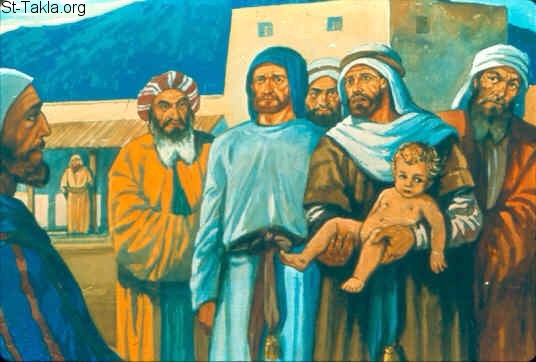
Here’s a brief overview of Micah 6:6-8:
Micah 6:6-7: The speaker contemplates what they should bring to the Lord as an offering. They suggest various forms of sacrifice, including burnt offerings and the sacrifice of a firstborn child.
Micah 6:8: The prophet then clarifies that God does not desire such extreme sacrifices. Instead, He requires His people to act justly, love mercy, and walk humbly with Him.
This passage emphasizes that God values ethical behavior and a humble relationship with Him over ritualistic sacrifices. The mention of sacrificing a firstborn son serves to highlight the absurdity of trying to appease God with extreme offerings when what He truly desires is righteousness and compassion.
What was the rationale behind the prophet’s decision to present his firstborn instead of his other sons, as detailed in the Bible (Micah 6, verse 7)?
The verse reads:
“Shall I give my firstborn for my transgression, the fruit of my body for the sin of my soul?”.
The rationale behind the prophet’s decision to present his firstborn instead of his other sons in Micah 6, verse 7 is likely based on the cultural and religious significance of the firstborn in ancient Israelite society.
In many ancient cultures, including Israelite culture, the firstborn held a special status and had certain privileges and responsibilities. This included being the primary heir to the family’s inheritance and having a special connection to the divine.
By offering his firstborn, the prophet may have been trying to convey the seriousness and gravity of the situation. This action would have been a powerful symbol of sacrifice and devotion, as the firstborn was typically seen as the most valuable and cherished among the children.
It could also be seen as a way of emphasizing the depth of the prophet’s regret and repentance for his transgressions, as offering one’s firstborn would have been an unimaginable and incredibly difficult act for any parent.
Sacred Cities in Islam: The Sanctification of Mecca, Medina, and the Holy Land Of Palestine
Scholars argue that Mecca attained its sacred status through Abraham’s prayer, while Medina became sacred through Muhammad’s supplication, and the Holy Land of Palestine was declared sacred by God Himself, as mentioned in Surah 21, verse 71. How is this viewpoint presented?
The viewpoint that Mecca, Medina, and the Holy Land of Palestine attained their sacred statuses through different means is rooted in Islamic tradition and scripture. According to this perspective:
1. Mecca’s Sacred Status through Abraham’s Prayer: It is believed in Islamic tradition that Mecca gained its sacredness through the prayers of Abraham. This is linked to the story of Abraham and his son Ishmael in the Islamic narrative, where they rebuilt the Kaaba, and Abraham’s subsequent prayer for the people of Mecca.
2. Medina’s Sacred Status through Muhammad’s Supplication: Medina (formerly Yathrib) became sacred in Islam primarily due to its association with the Prophet Muhammad. It is where he migrated to (known as the Hijra), a pivotal event in Islamic history. The Prophet’s presence, his establishment of a Muslim community there, and his supplications contributed to Medina’s sanctity.
3. The Holy Land of Palestine’s Sacred Status Declared by God: The sacred status of the Holy Land, which includes Jerusalem, is believed to be directly declared by God. This is supported by references in the Quran, such as in Surah 21, verse 71, which alludes to the land’s sanctity.
Allah says:
“And We saved him [Abraham] and Lot to the land which We have blessed for the worlds.”
This area holds significant religious importance in Islam due to its association with various prophets and as the site of the Al-Aqsa Mosque, which is linked to the Prophet Muhammad’s Night Journey.
This viewpoint is represented in Islamic teachings and is often discussed in the context of the religious and historical significance of these cities in Islam. It highlights the spiritual and historical connections that Muslims have with these cities, each with its unique religious significance.
 ABRAHAMIC THEOLOGY