Azahari Hassim
In Samaritan belief, the Messiah is a significant figure known as the “Taheb,” which means “Restorer” or “Returning One.” The Samaritans believe that the Taheb will be a prophet like Moses who will restore true worship and bring about an era of peace and righteousness.
Unlike Jewish messianism, which emphasizes a kingly Messiah from the line of David, the Samaritan Messiah is viewed primarily as a prophetic leader, focused on restoring the pure faith and re-establishing the sanctity of Mount Gerizim, which the Samaritans hold as the true holy mountain (rather than Jerusalem).
The Samaritan Torah (which is similar to the Jewish Torah but with some differences in emphasis and content) alludes to the coming of this awaited figure. The primary passage that Samaritans believe foretells the arrival of the Taheb is Deuteronomy 18, verse 18.
The verse reads:
“I will raise up for them a prophet like you from among their brothers. I will put my words in his mouth, and he will tell them everything I command him.”
This verse is interpreted by the Samaritans to be a prophecy about the coming of the Taheb, a prophet like Moses who will lead the people and restore proper worship of God on Mount Gerizim. It is seen as a promise of divine intervention to bring the Samaritans back to the original teachings and commandments as given to Moses.
In summary, the Messiah (Taheb) in Samaritan belief is a prophetic figure who will bring about a restoration of the true faith, and Deuteronomy 18, verse 18, is the key passage in the Samaritan Torah that alludes to his coming.
“The Samaritans had their own version of the Pentateuch (Torah), their own temple on Mount Gerizim, and regarded themselves as the true Israel, continuing the authentic worship of the patriarchs while dismissing the Jerusalem temple as illegitimate.”
F. F. Bruce (Scottish biblical scholar, 20th century)
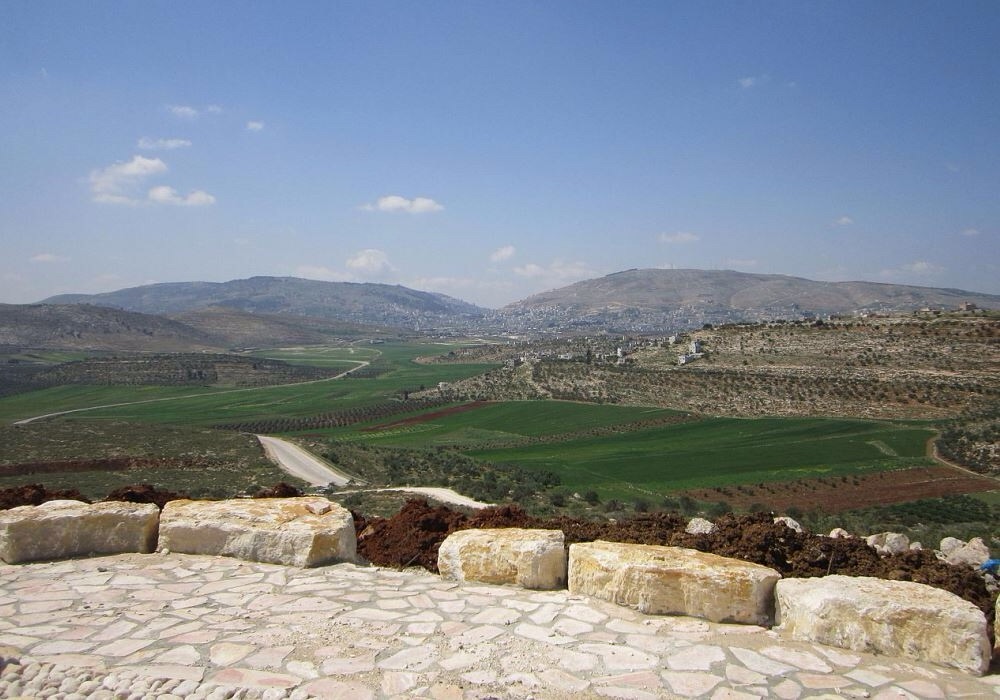
Mount Gerizim: Traditionally associated with blessings, Mount Gerizim is where the Israelites were instructed to pronounce blessings upon the people when they entered the Promised Land (Deuteronomy 27:12-13). It is also significant to the Samaritan community, who consider it a holy site and the true location of the ancient Israelite temple.
Mount Ebal: In contrast, Mount Ebal is associated with curses. According to the biblical narrative, it is where curses were pronounced against those who disobeyed God’s commandments (Deuteronomy 27:14-26).
The two mountains are often mentioned together in biblical texts, symbolizing the choice between blessings and curses, good and evil, and obedience and disobedience to God’s laws. The area surrounding these mountains is rich in archaeological and historical significance, with various ancient ruins and sites of interest.
Does the prophet like Moses mentioned in Deuteronomy 18, verse 18, refer to the Messiah?
According to many interpretations, Deuteronomy 18, verse 18, does refer to the Messiah. In Jewish tradition, this verse is often understood as a prophecy about a future prophet who will be like Moses. This belief is based on the idea that Moses was a unique and significant figure in Jewish history, and that another prophet like him would arise in the future to guide and lead the people of Israel. Many Jewish scholars and commentators have identified this prophet as the Messiah, who will possess similar qualities and fulfill similar roles as Moses.
Does the Quran mention Muhammad as the Messiah whom the Jews await?
In the Quran, Muhammad is not explicitly referred to as the Messiah whom the Jews await. However, there is an indirect mention in Surah 2, verse 89, that can be interpreted in this context.
Surah 2, verse 89, states:
“And when there came to them a Book from Allah confirming that which was with them – although before they used to pray for victory against those who disbelieved – but [then] when there came to them that which they recognized, they disbelieved in it; so the curse of Allah will be upon the disbelievers.”
This verse is believed by some scholars and interpreters to refer to a prophecy mentioned in Jewish scriptures about a future prophet who would come after Moses. According to this interpretation, the Jews were awaiting this promised prophet or Messiah.
Muslims believe that Muhammad is the final prophet sent by Allah and consider him as fulfilling various prophecies mentioned in previous religious texts. Therefore, some Muslims interpret Surah 2, verse 89, as indirectly referring to Muhammad as the awaited Messiah.
It’s important to note that interpretations of religious texts can vary among different scholars and individuals. While some may see a connection between Muhammad and the awaited Messiah based on this verse, others may have different interpretations or understandings.
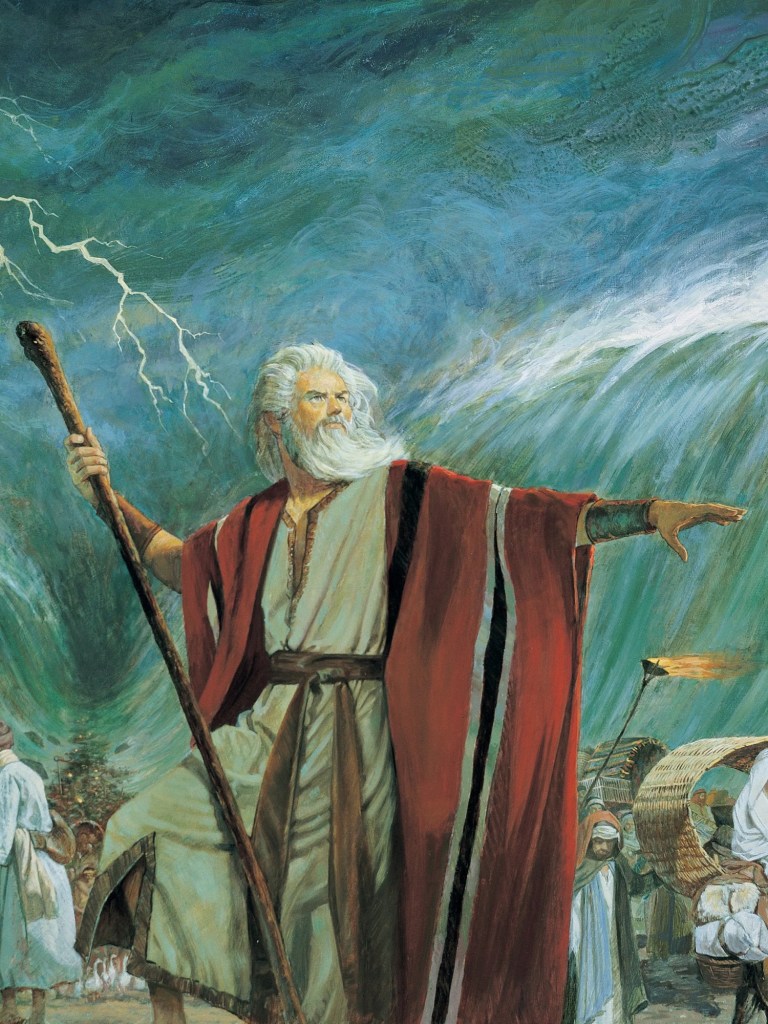
Understanding the Broad Concept of Messiah in the Hebrew Bible: Insights from Isaiah 45 / Psalm 105
The Hebrew translation of Isaiah 45, verse 1, refers to Cyrus as a messiah. Does God address him as such in this verse?
Yes, in Isaiah 45, verse 1, God refers to Cyrus as His anointed one, which is the Hebrew term “mashiach” (messiah). It is important to note that in this context, the term is not used in the same way as it is in the Christian tradition to refer to Jesus Christ, but rather as a title for a chosen or appointed leader.
According to some, Psalm 105, verse 15, and Isaiah 45, verse 1, support the hypothesis that there have been messiahs before Jesus. What is the explanation for this interpretation?
Some interpretations of Psalm 105, verse 15, and Isaiah 45, verse 1, suggest that they support the idea that there were messiahs before Jesus. In Psalm 105, verse 15, it says:
“Do not touch my anointed ones; do my prophets no harm.”
This verse is interpreted by some to refer to multiple anointed ones or messiahs throughout history, not just one specific individual like Jesus.
Similarly, in Isaiah 45, verse 1, it says:
“This is what the Lord says to his anointed, to Cyrus, whose right hand I take hold of to subdue nations before him.”
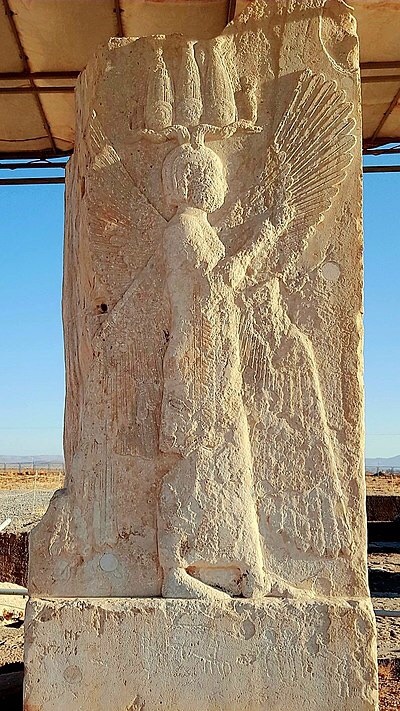
This verse refers to Cyrus the Great, a Persian king who was not Jewish but was still referred to as God’s anointed. Some interpret this as evidence that God can choose non-Jewish individuals as messiahs or anointed ones.
The reasoning behind this interpretation is that these verses show that the concept of being anointed by God or being a messiah is not limited to one specific individual (like Jesus), but can apply to multiple people throughout history who are chosen by God for a specific purpose.
It suggests that Jesus was not necessarily the first or only messiah in history, but part of a larger tradition of individuals chosen by God for special roles.
 ABRAHAMIC THEOLOGY