Azahari Hassim
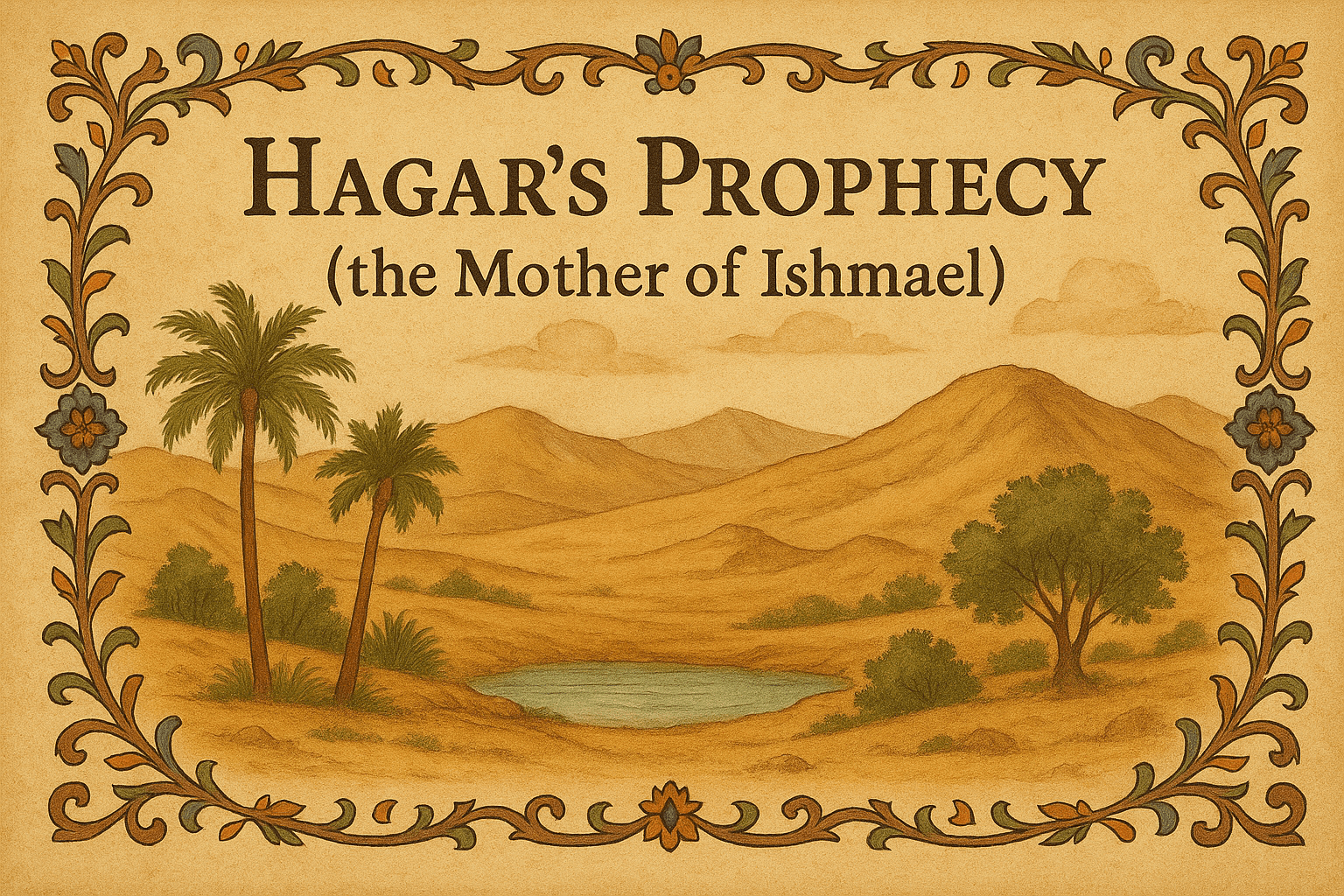
Some believe that the prophecy in the Torah (Genesis 21 verse 18) was fulfilled when Allah established Hajj as an Islamic rite. Pilgrims perform Sa’i in memory of Hagar, who searched for water for her infant son, Ishmael, in the desert, and Allah provided them with the well of Zamzam. Sa’i, which involves walking seven times between the hills of Safa and Marwa in Mecca, is one of the essential rituals of Hajj and Umrah. How is this argument articulated?
There is a belief among some Muslims that the prophecy mentioned in Genesis 21 verse 18 was fulfilled through the establishment of Hajj in Islam. This verse of the Torah prophesies that God will make a great nation from the descendants of Ishmael, the son of Abraham and Hagar. The argument connecting the Islamic narrative with the story in the Torah can be articulated through a few key points:
- Biblical Story of Hagar and Ishmael: In the Torah, the story of Hagar and her son Ishmael, who were cast into the desert, is recounted. In Genesis 21:18, God tells Hagar, “Lift up the boy and hold him fast with your hand, for I will make him into a great nation.” This is often interpreted as a divine promise of Ishmael’s survival and future significance.
- Islamic Narrative and the Ritual of Sa’i: In Islamic tradition, Hagar’s desperate search for water in the desert for her infant son Ishmael is commemorated through the ritual of Sa’i, which is performed during the Hajj and Umrah pilgrimages. Pilgrims walk back and forth seven times between the hills of Safa and Marwa in Mecca, reenacting Hagar’s search.
- The Well of Zamzam: Allah’s provision of the Zamzam well for Hagar and Ishmael, as per Islamic tradition, is seen as a miraculous fulfillment of the divine promise. The well is a key element in the story and is considered a symbol of God’s mercy and sustenance.
- Link to the Prophecy: The argument connects the establishment of Hajj, including the ritual of Sa’i, to the fulfillment of the prophecy in Genesis. It’s posited that Allah’s establishment of these rituals and the continued commemoration by millions of Muslims is a fulfillment of the promise made to Hagar regarding Ishmael.
- Symbolism and Continuity: The ritual of Sa’i and the story of Zamzam are seen as not just historical events but also symbolic of God’s continuous guidance and sustenance. This symbolism is linked back to the Biblical prophecy, suggesting a continuity and fulfillment of divine promise across these Abrahamic faiths.
This argument is that the connection between this Islamic rite and the prophecy in the Torah (Genesis 21 verse 18) is seen by some as a fulfillment of the promise made to Hagar in the Torah, where it is stated that God will make a great nation of Ishmael. In Islamic belief, this promise is fulfilled through the lineage of Ishmael and the establishment of Hajj as a central pillar of Islam. Therefore, the act of Sa’i is not only a way for pilgrims to remember and honor Hagar’s struggle but also to symbolize the fulfillment of the prophecy through the establishment of Hajj as an Islamic rite.
Hajj as the Fulfillment of Abrahamic Prophecy
Torah, Genesis 22 verse 18, reads:
“And in thy seed shall all the nations of the earth be blessed; because thou hast obeyed my voice.”
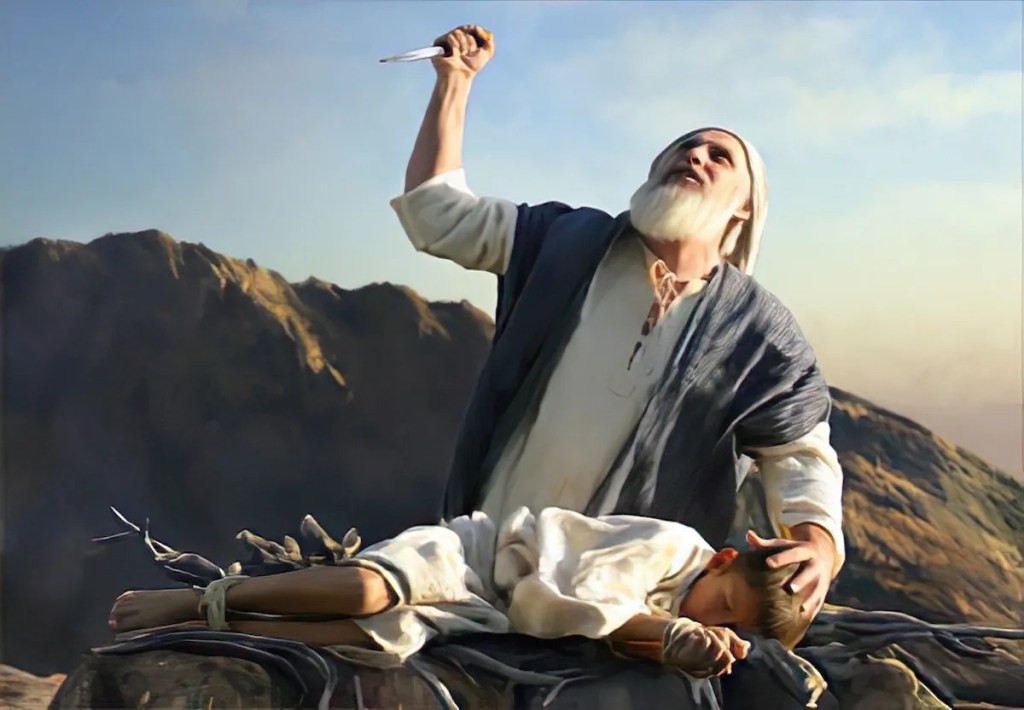
It is believed the event of the Hajj in Mecca is the fulfillment of the biblical prophecy of Genesis 22 verse 18. According to the Islamic belief, Abraham offered Ishmael, not Isaac, as a sacrifice to God, emphasizing Ishmael’s role in fulfilling God’s covenant with Abraham. The event of Hajj proves that God made a covenant with Abraham through Hagar and Ishmael rather than Sarah and Isaac. How is this viewpoint presented?
The viewpoint that the Hajj in Mecca is a fulfillment of the biblical prophecy of Genesis 22 verse 18, and represents a covenant made by God with Abraham through Hagar and Ishmael, rather than Sarah and Isaac, is articulated based on several key aspects of Islamic belief and interpretation of religious texts:
- Prophecy of Genesis 22 verse 18: The verse in Genesis states, “And in thy seed shall all the nations of the earth be blessed; because thou hast obeyed my voice.” Some interpret this as a prophecy that is fulfilled through the descendants of Ishmael, Abraham’s son with Hagar. The Islamic narrative holds that it was Ishmael, not Isaac, who was offered by Abraham as a sacrifice to God. This signifies Ishmael’s importance in the fulfillment of God’s covenant with Abraham. The Hajj, as a major Islamic ritual commemorating the actions of Abraham and Ishmael, is seen as a manifestation of this blessing.
- The Hajj and Ishmael’s Legacy: In Islamic tradition, the Hajj includes rituals that are believed to commemorate the life and trials of Abraham and his son Ishmael. The ritual of Sa’i, where pilgrims travel back and forth between the hills of Safa and Marwah, is seen as a re-enactment of Hagar’s desperate search for water for her infant son Ishmael. According to Islamic belief, the well of Zamzam originated to rescue baby Ishmael.
- The Kaaba and Islamic Tradition: The Kaaba in Mecca, which is the focal point of the Hajj, is believed in Islamic tradition to have been built by Abraham and Ishmael as a house of worship to the one true God. This act of establishing monotheism in the region is viewed as a key part of fulfilling God’s covenant with Abraham.
- Universal Blessing and Unity of Humankind: The Hajj is seen as a fulfillment of God’s promise to bless all nations through Abraham’s descendants. The gathering of millions of Muslims from diverse nations during Hajj is viewed as a symbol of this blessing and the unity of humankind under God’s guidance.
- Continuity of Abrahamic Tradition: The Hajj is also seen as a continuation and fulfillment of the Abrahamic tradition of monotheism. This perspective posits that Islam, as the final revelation in the Abrahamic tradition, fulfills and perfects earlier revelations given to Jews and Christians.
This viewpoint is part of the broader Islamic interpretation of religious history, which sees Islam as both a continuation and a completion of the monotheistic tradition established by Abraham.
“Hajj, for centuries, has remained a central, unifying force in the Muslim world. It brings together people of every race, language, and culture, in a shared act of worship and submission to God.”
Karen Armstrong, a British author and scholar of comparative religion
Islam as the Restored Faith of Abraham: Addressing Perceived Deviations in Judaism and Christianity
Islam is considered as a restored religion of Abraham due to Judaism corrupting their text as regards a son whom Abraham was commanded to sacrifice. At the same time, Christianity corrupted their scripture concerning the oneness of God and the rite of circumcision. What is the explanation for this?
The belief that Islam is a restored religion of Abraham stems from the belief that both Judaism and Christianity deviated from the original teachings of Abraham. According to Islamic beliefs, Judaism corrupted their text by incorrectly interpreting the command to sacrifice a son, as mentioned in the Quran. Muslims believe that Abraham was commanded to sacrifice his son Ishmael, not Isaac as mentioned in the Hebrew Bible.
Similarly, Muslims believe that Christianity corrupted their scripture by deviating from the belief in the oneness of God (monotheism) and by modifying the rite of circumcision. Islam emphasizes the concept of tawheed, which is the belief in the oneness of God, and questions the Trinity as mentioned in Christian theology. Islam also practices circumcision, although the method and significance may differ from those in Judaism and some Christian traditions.
These differences and perceived corruptions are seen from the perspective of Islamic theology, which asserts that Islam is the restoration of the original teachings of Abraham, as revealed in the Quran.
 ABRAHAMIC THEOLOGY