Abrahamic theology refers to the religious beliefs and doctrines that originate from the figure of Abraham, a patriarch in Judaism, Christianity, and Islam.
Contrasting Narratives: Interpolation of Genesis 21:9-10 in Light of Islamic Tradition
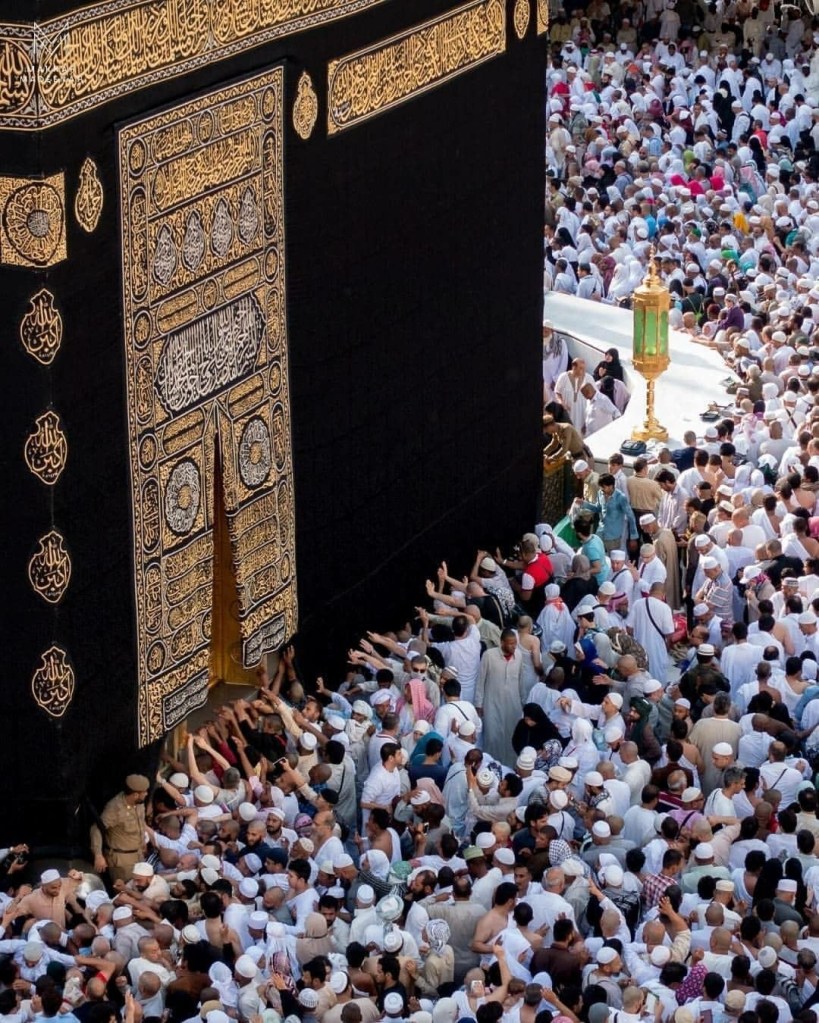
The Great Mosque at Mecca is the focus of the Hajj. In Muhammad’s time it was no more than a walled courtyard around the Kaaba; now it can hold up to 1.5 million worshippers.
The prehistory of the Hajj
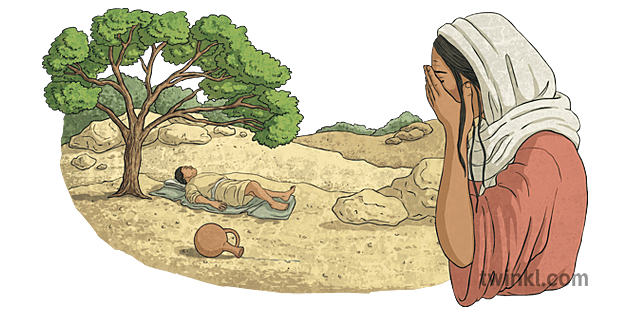
Many elements of the pilgrimage predate the time of Muhammad, and are intimately linked to the story of Ibrahim (the Abraham of the Book of Genesis). It tells how he left his wife Hajar (Hagar) and their infant son Ishmael alone in the desert near Mecca.
Having run out of water, and concerned that she would not be able to continue to nurse her baby, Hajar ran back and forth seven times between the two hills of Safa and Marwa, looking for someone who might be able to help them. Her search is echoed in the rituals performed by pilgrims to Mecca today.
Islamic tradition also holds that it was Ibrahim who first built what is now the Kaaba. He incorporated a black stone into the structure, which had been given to him by the angel Jibreel (Gabriel). This remains set into a corner of the Kaaba, and pilgrims attempt to kiss it or gesture toward it as they circumambulate during their Hajj pilgrimage.
Islamic tradition holds that Abraham left his wife Hagar and their son Ishmael alone in the desert near Mecca. Ishmael was still an infant at the time. The interpolation of Genesis 21, verses 9 to 10, is therefore evident from this event. How are they articulating their argument?
The argument regarding the interpolation of Genesis 21, verses 9 to 10, in the context of Abraham, Hagar, and Ishmael is articulated by contrasting the Islamic tradition with the Judeo-Christian narrative. Here’s how the argument is framed:
Divine Command Versus Human Jealousy:
In Islamic tradition, Abraham’s decision to leave Hagar and Ishmael in the desert was a direct command from God as a test of faith. This is seen as a noble and divinely ordained act, rather than a result of Sarah’s jealousy.
In the Judeo-Christian narrative, the banishment is attributed to Sarah’s jealousy when she saw Ishmael “mocking” Isaac, which led her to demand their expulsion.
Age Discrepancy:
Islamic sources describe Ishmael as a nursing infant when he was left in the desert, which aligns with the practical details of Hagar carrying him and the subsequent events.
The Bible suggests Ishmael was about 17 years old, which raises logical issues about Hagar carrying him and the depiction of him as a helpless child under a bush.
Miraculous Provision:
In Islamic tradition, the story emphasizes the miraculous provision of water through the Zamzam well, which is a central part of Hajj rituals and symbolizes God’s care and provision.
The Judeo-Christian account also mentions divine intervention, but it does not have the same ritualistic and symbolic significance as in Islam.
Cultural and Religious Impact:
The Islamic narrative underscores the foundational role of Ishmael and Hagar in the establishment of Mecca and the Kaaba, highlighting their importance in Islamic tradition.
In contrast, Ishmael plays a minor role in Judeo-Christian traditions, primarily recognized as the ancestor of the Arabs but not central to religious practices.
Conclusion
The interpolation argument is articulated by highlighting these differences and suggesting that the Genesis account may have been influenced or altered to fit the theological and cultural context of the Judeo-Christian tradition. The Islamic narrative, with its emphasis on divine command and the early age of Ishmael, presents a coherent and practical story that aligns with the physical and spiritual elements of the Hajj pilgrimage, thus offering a distinct perspective on the events surrounding Abraham, Hagar, and Ishmael.
Hagar is a symbol of survival, of resourcefulness and resilience in the face of hardship. She is a figure of courage, a mother who does what she must to ensure the survival of her child in the wilderness.”
Delores S. Williams (theologian and scholar, known for her work in womanist theology):
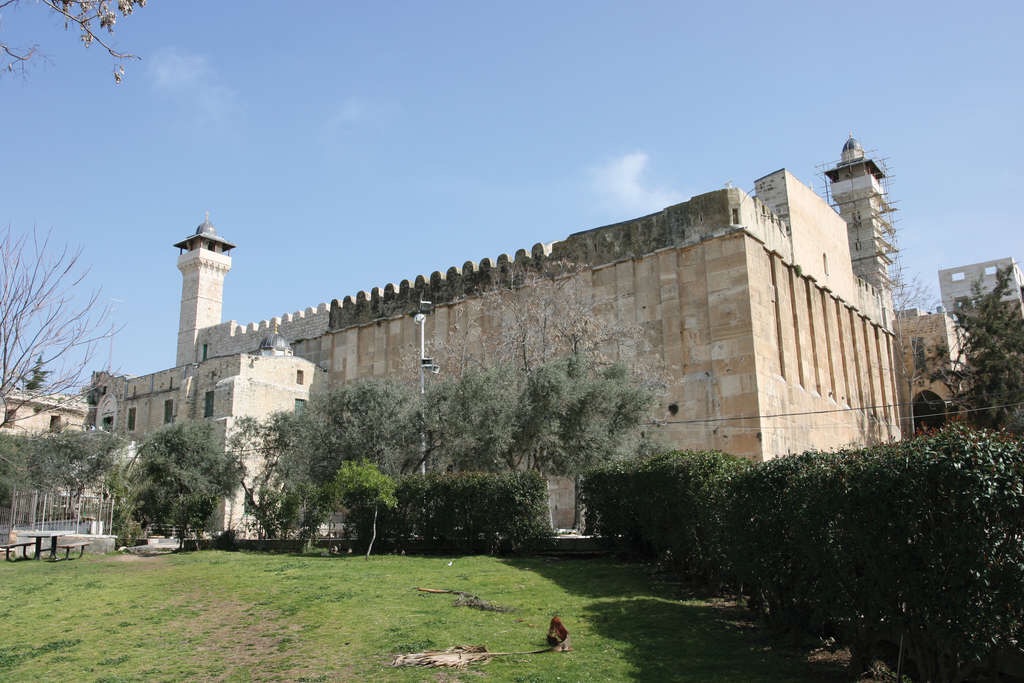
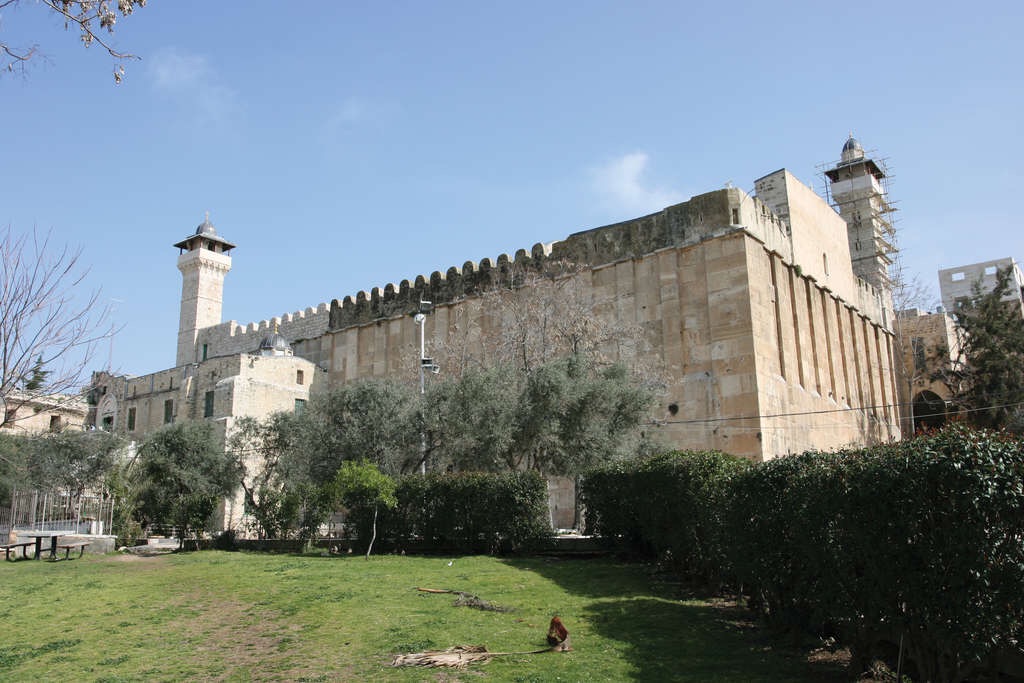
The veneration of Abraham in Judaism was long-standing by the era of Paul. This structure in Hebron (West Bank), originally built by Herod the Great, is said to be the location of the burial of Abraham, Isaac, and Jacob. Underground tombs exist beneath the building, but they have not been excavated.
Reevaluating the Abrahamic Covenant: The Case for Ishmael Over Isaac
There is a belief among Islamic scholars that the Abrahamic covenant, fulfilled through Ishmael instead of Isaac, entails the promise of the land from the Nile River to the great river of Euphrates, along with the blessing to all nations through Abraham’s seed.
Those who hold this view argue that God asked Abraham to offer Ishmael, not Isaac. They also contend that the ancient Israelite scribes altered their scriptures.
In contrast, the Israelites are bound by the Sinai covenant, which highlights communal responsibilities and accountability to God and to each other as part of the agreement between God and the Israelites. What is the articulation of their argument?
The argument that the Abrahamic covenant is fulfilled through Ishmael rather than Isaac involves several key points articulated by those who support this view. Here is a summary and analysis of their arguments:
1. Promise of the Land: Proponents of this view argue that the promise of the land extending from the Nile River to the Euphrates, as mentioned in Genesis 15:18, was intended for the descendants of Ishmael. They believe that this geographic expanse aligns with the territories historically associated with Islam and Muhammad, who was a descendant of Ishmael.
2. Blessing to All Nations: They interpret the promise of blessings to all nations through Abraham’s seed (Genesis 12:3, 22:18) as being fulfilled through Muhammad (Surah 21:107). They argue that Islam, preached by Muhammad, has had a significant historical and cultural impact on a global scale, thus fulfilling the promise of being a blessing to all nations.
3. Sacrifice of Ishmael: This argument hinges on the belief that God asked Abraham to offer Ishmael as a sacrifice, rather than Isaac. This is primarily based on Islamic tradition found in the Quran (Surah 37:99-113), which states that Abraham was asked to sacrifice his son, and many Muslims believe this son was Ishmael. They argue that this narrative was the original one, which was later altered by Israelite scribes to place Isaac in the position of the sacrificial son.
4. Scriptural Alterations: Supporters of this view contend that ancient Israelite scribes altered the scriptures to reflect Isaac as the chosen son who was to be sacrificed and through whom the covenant would be fulfilled. They believe that these alterations were made to establish and legitimize the Israelite claim to the covenantal promises.
Sinai Covenant Context
The Sinai covenant, distinct from the Abrahamic covenant, focuses on the relationship between God and the Israelites, emphasizing communal responsibilities and accountability. This covenant, given at Mount Sinai, includes the Ten Commandments and a detailed code of laws that govern the moral, religious, and social conduct of the Israelite community. The Sinai covenant underscores the idea that the Israelites are to be a holy nation and a kingdom of priests, dedicated to serving God and adhering to His commandments.
Articulation of Their Argument
Those who argue for the fulfillment of the Abrahamic covenant through Ishmael articulate their position by highlighting these key points:
1. Historical and Geographic Claims: They argue that the promise of the land and blessings align more closely with the historical and geographic realities of Ishmael’s descendants rather than those of Isaac.
2. Islamic Tradition: They cite Islamic scripture and tradition, which they believe preserves the original account of the sacrifice involving Ishmael, rather than Isaac. This account is viewed as being more authentic and less altered than the Hebrew Bible’s version.
3. Critical View of Scripture: They take a critical view of the Hebrew Bible, suggesting that it underwent alterations by Israelite scribes to support their theological and political claims. They argue that these changes were made to establish a narrative that centers on Isaac and his descendants as the primary inheritors of God’s covenant with Abraham.
4. Fulfillment Through Ishmael’s Lineage: They believe that the widespread influence and significance of Ishmael’s descendants fulfill the covenantal promises more broadly and inclusively, aligning with the idea of being a blessing to all nations.
In conclusion, the articulation of their argument is rooted in a combination of scriptural interpretation, historical and geographic considerations, and a critical perspective on the transmission and preservation of religious texts.
 ABRAHAMIC THEOLOGY