
Azahari Hassim
Does Hagar’s prophecy in Genesis 21, verse 18, predate the Torah given to Moses?
Yes, Hagar’s prophecy in Genesis 21, verse 18, predates the Torah as given to Moses. The Book of Genesis, which includes the story of Hagar, is considered part of the Torah (the first five books of the Hebrew Bible) and traditionally attributed to Moses.
However, the events described in Genesis, including Hagar’s encounter with God and the prophecy concerning her son Ishmael, are believed to have occurred long before the time of Moses, around the patriarchal period.
The narrative in Genesis 21 describes Hagar and Ishmael in the context of Abraham’s family and is thus seen as part of the pre-Mosaic tradition. The Torah, or Pentateuch, as a compilation and codification, is generally understood to have been formalized during the time of Moses, which occurs much later in the biblical timeline.
Therefore, the events and prophecies in Genesis can be considered as part of the earlier history before the giving of the law to Moses.
Holy Quran 7:144
قَالَ يَٰمُوسَىٰٓ إِنِّى ٱصْطَفَيْتُكَ عَلَى ٱلنَّاسِ بِرِسَٰلَٰتِى وَبِكَلَٰمِى فَخُذْ مَآ ءَاتَيْتُكَ وَكُن مِّنَ ٱلشَّٰكِرِينَ
[Allah] said, “O Moses, I have chosen you over the people with My messages and My words [to you]. So take what I have given you and be among the grateful.”
What is the argument put forth by those who support the idea that the prophethood of Muhammad is linked to Hagar’s prophecy, which predates the Torah, in contrast to Hebrew prophets who are associated with the Torah? Consequently, Muhammad, in contrast to Hebrew prophets such as Jesus, is not bound by the laws of the Torah.
Supporters of the idea that the prophethood of Muhammad is linked to Hagar’s prophecy, which predates the Torah, argue that this connection sets Muhammad apart from Hebrew prophets who are associated with the Torah. Here is a detailed explanation of their argument:
1. Pre-Torah Origins of Hagar’s Prophecy
Proponents argue that Hagar’s prophecy, as mentioned in Genesis 21, verse 18, predates the Torah given to Moses. This prophecy concerns Hagar’s son, Ishmael, who is promised to become a great nation. This predates the formalization of the Torah, which is traditionally attributed to Moses and his time.
2. Reiteration and Fulfillment in Islamic Rituals
The Torah reiterates Hagar’s prophecy, but its fulfillment is seen in Islamic practices, particularly the Hajj pilgrimage. The Hajj, which involves rituals connected to Hagar and Ishmael, is viewed as a direct link to their legacy. This pilgrimage is a central practice in Islam, signifying the prophecy’s fulfillment and its importance in Islamic tradition.
3. Marginalization by Ancient Israelite Scribes
It is suggested that ancient Israelite scribes attempted to downplay the significance of Hagar and Ishmael due to theological and political reasons. This marginalization aimed to elevate the prominence of Isaac and the Israelite lineage over Ishmael. The argument posits that the biblical narrative was shaped in a way that selectively emphasized aspects favorable to the Israelite lineage.
Contrast with Hebrew Prophets
1. Association with the Torah
Hebrew prophets are closely linked to the Torah, which is seen as the foundation of their prophetic authority. The Torah, given to Moses, contains the laws and ethical teachings that Hebrew prophets were tasked with interpreting and enforcing. This connection establishes a continuous line of prophetic tradition rooted in the Mosaic covenant.
2. Muhammad’s Independent Prophetic Lineage
In contrast, Muhammad’s prophethood is associated with the Abrahamic covenant through Ishmael, rather than the Mosaic covenant. This distinction is significant in Islamic theology, which views Muhammad’s message as a continuation and fulfillment of the Abrahamic faith, independent of the Mosaic laws. This perspective underscores the universality of Muhammad’s revelation, intended for all humanity, rather than being confined to the specific legal and ritual practices of the Jewish people.
Theological Implications
1. Universal Prophetic Tradition
By associating Muhammad with a prophecy that predates the Torah, supporters argue that prophetic messages have been universal and ongoing throughout human history. This places Islam within a broader, inclusive prophetic tradition that transcends Jewish ethnic and religious boundaries. It emphasizes the continuity of divine guidance from the time of Abraham through to Muhammad.
2. Distinct Covenants
The argument also highlights the existence of distinct covenants in the Abrahamic religions. While the Hebrew prophets operate under the covenant of Moses and the Sinai revelation, Muhammad is seen as part of the covenant given to Abraham and Ishmael. This theological distinction reinforces the idea that different prophetic traditions are validated by separate covenants within the broader framework of Abrahamic faiths.
In summary, the argument linking Muhammad’s prophethood to Hagar’s prophecy emphasizes its pre-Torah origins, fulfillment in Islamic Hajj, and the marginalization of Hagar’s significance by ancient Israelite scribes. This perspective contrasts Muhammad’s universal and independent prophetic lineage with the Hebrew prophets’ association with the Torah, highlighting distinct covenants and a broader prophetic tradition.
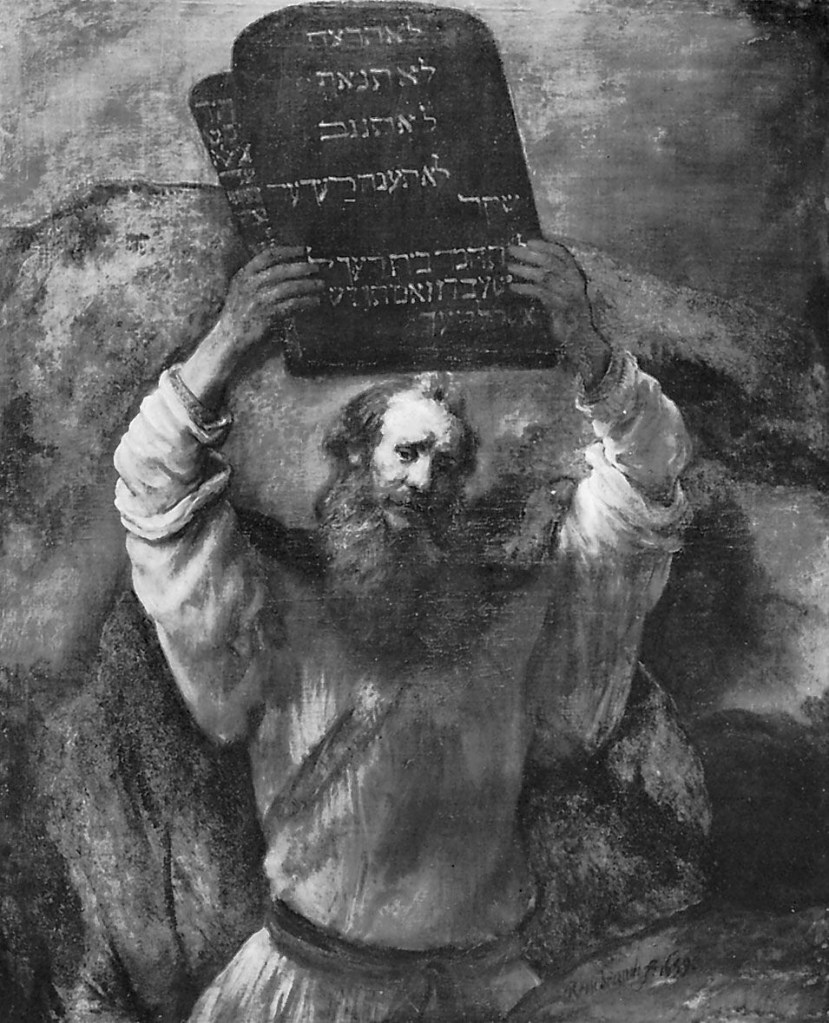
What distinguishes the prophethood of Moses from that of the prophets who came after him?
The prophethood of Moses is distinguished from that of subsequent prophets in several significant ways, particularly regarding his role, experiences, and the nature of the revelations he received. Here are some key distinctions:
- Direct Encounter with God: Moses is unique in that he had direct, face-to-face encounters with God (Exodus 33:11). This level of intimacy and direct communication is described as unparalleled, with other prophets often receiving messages through visions, dreams, or angels rather than direct interaction.
- The Revelation of the Torah: Moses is credited with receiving the entirety of the Torah (the first five books of the Hebrew Bible), which includes laws, commandments, and instructions essential for the covenant community of Israel. This comprehensive legal and ethical code set a foundational framework for Jewish law and identity. Subsequent prophets, such as Isaiah, Jeremiah, and Ezekiel, often reaffirmed, interpreted, or expanded upon the existing laws but did not receive a new foundational law like Moses did.
- Covenant Mediator: Moses acted as a mediator of the covenant between God and the Israelites. He led the Israelites out of Egypt, guided them through the wilderness, and established the covenant at Sinai. His role as a leader and lawgiver, along with his intercessory prayers on behalf of the people, underscores his unique relationship as the primary figure in establishing Israel’s identity as a nation under God.
- Prophecies and Predictions: While many prophets delivered messages of warning, hope, and future events, Moses’ prophecies included significant long-term predictions, such as the future of Israel in the Promised Land, blessings and curses based on obedience to God’s law (as seen in Deuteronomy), and the coming of a prophet like himself, which later prophetic traditions and the New Testament interpret as a foretelling of the coming Messiah.
- Significance in Religious Tradition: Moses occupies a central and revered role in Judaism, often regarded as the greatest of all prophets. His story is foundational to Jewish identity and religious life, and he is frequently referenced in both Jewish and Christian traditions as a touchstone for prophetic authority. In Islam, Moses (Musa) is also revered as a great prophet, but the distinctions in religious functions and teachings remain significant.
- Legacy and Tradition: The events of Moses’s life—such as the Exodus, the plagues in Egypt, and the giving of the Ten Commandments—are pivotal events that shape the narrative of the Hebrew Bible. His legacy establishes parameters for prophetic authority, and he is often considered a model for later prophets in terms of leadership, covenant fidelity, and obedience to God’s commands.
In summary, Moses’s unique experiences, the foundational revelation of the Torah through him, his mediating role in establishing the covenant, and the lasting impact of his life and teachings all contribute to what distinguishes his prophethood from those who followed him. While all prophets play essential roles in their communities, Moses stands out as a singular figure in Jewish, Christian, and Islamic traditions.
 ABRAHAMIC THEOLOGY