Azahari Hassim
It is believe that the Kingdom of God, as announced by Jesus in Matthew 8, verse 11 to 12, signifies the end of the Jews’ role as a kingdom of priests associated with ritual sacrifices. This argument can be explained from an Islamic perspective as follows:
In Islam, the completion of prophethood through Muhammad, the final messenger, is a key belief. Therefore, the Islamic view aligns with the notion that Jesus proclamation of the kingdom of God effectively ended the Jewish role as a kingdom of priests tied to ritual sacrifices.
This is seen as part of a continuous prophetic tradition that calls for righteous living and submission to God’s will.
In Islamic theology, the Kingdom of God is perceived as God’s sovereign rule over all creation. The invitation to enter this kingdom is viewed as a call to submit to God’s will and to live according to His guidance.
Islam respects the historical role of the Children of Israel as a chosen community tasked with responsibilities and blessings, including their past as a kingdom of priests dedicated to worshiping God.
Thus, from an Islamic perspective, Jesus’ announcement about the Kingdom of God is interpreted as both a revocation of the Jews’ priestly role and a continuation of the prophetic message, emphasizing the importance of faith, righteousness, and devotion to God.”
Isra
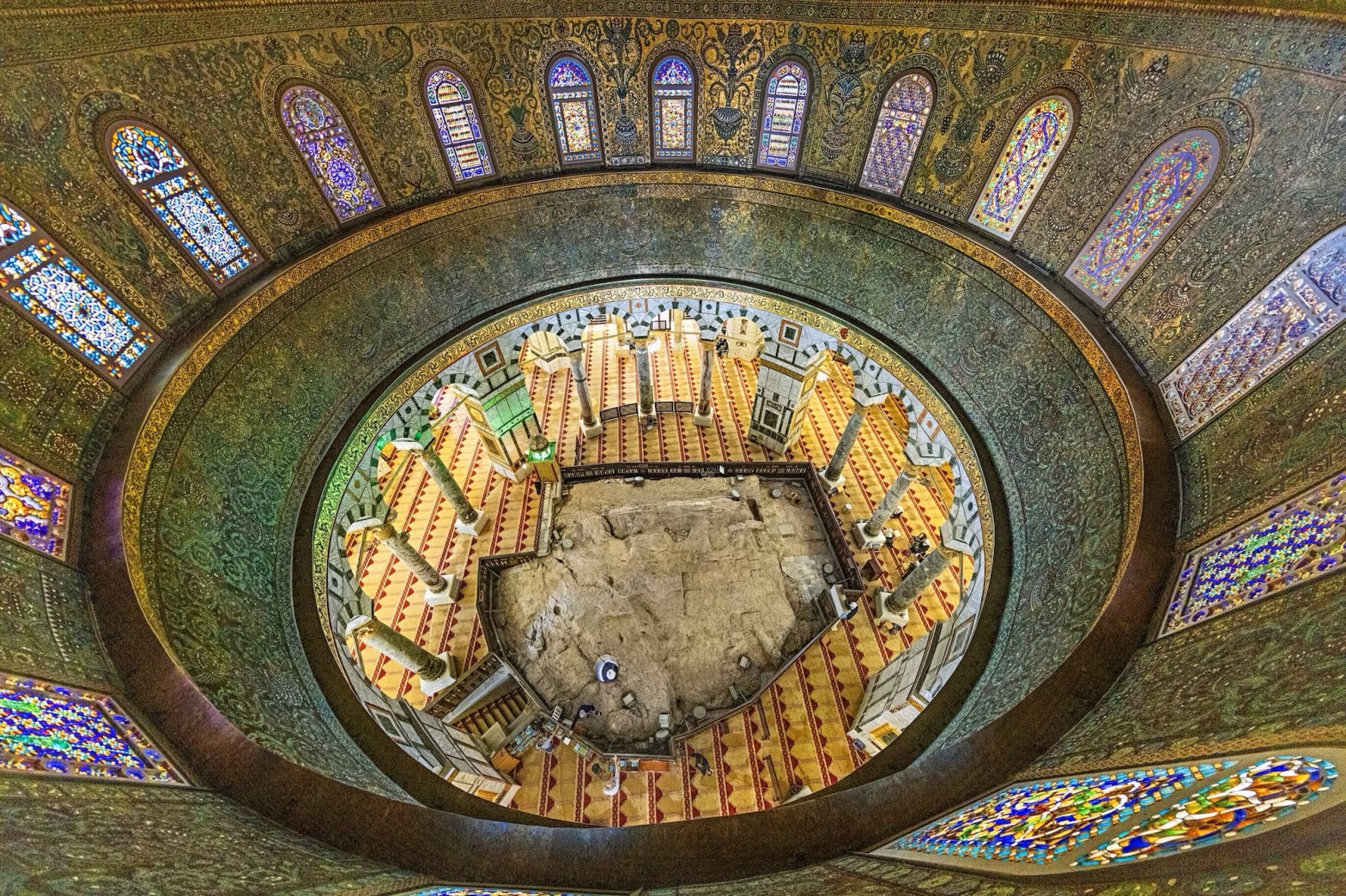
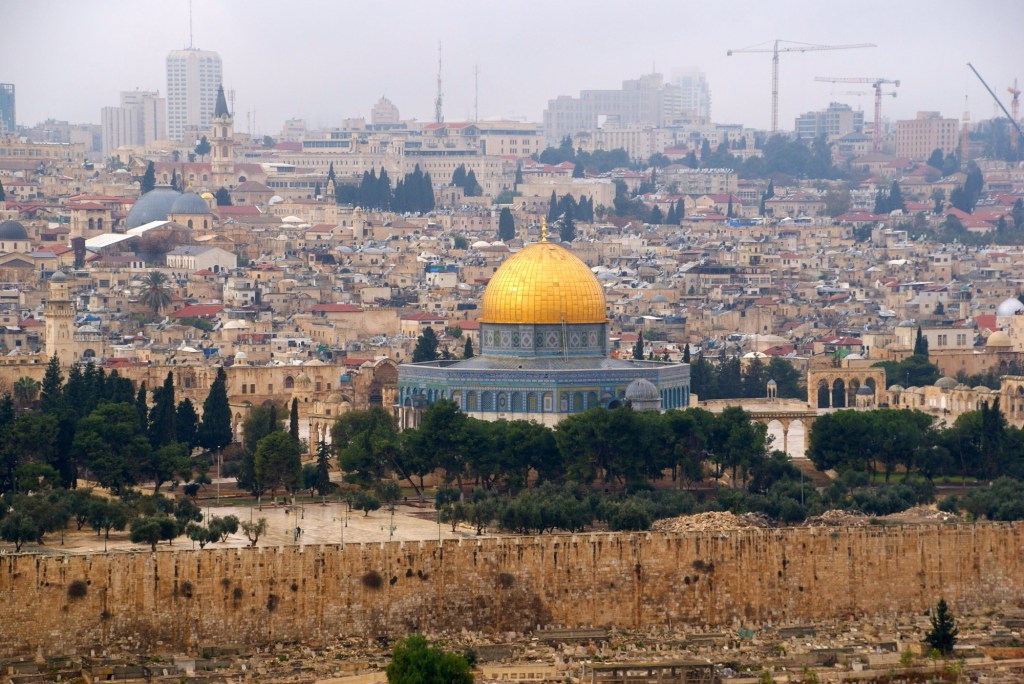
The first part of the Prophet’s Night Journey, in which he traveled on the winged steed Buraq to the “furthest mosque,” identified with al-Aqsa Mosque in Jerusalem.
From an Islamic viewpoint, Muhammad’s Night Journey to Jerusalem symbolizes the end of Judaism as a sacrificial religion, as it is linked to the former Jewish temple.
The Night Journey of Prophet Muhammad to Jerusalem holds significant importance in Islamic belief as it marks a turning point in the relationship between Islam and Judaism.
In Islamic perspective, this event signifies the end of Judaism as a sacrificial religion because it is believed that during his journey, Prophet Muhammad ascended to heaven and received instructions for the Muslim community, including the commandment to pray five times a day.
The connection to the Jewish temple in Jerusalem is also significant as it symbolizes the shift from Jewish practices to Islamic teachings. By visiting this sacred site, Prophet Muhammad demonstrated that Islam was now the true religion and successor to Judaism.
This event serves as a reminder of the historical ties between these two Abrahamic faiths while also emphasizing the unique beliefs and practices of Islam.
Overall, Muhammad’s Night Journey to Jerusalem represents a pivotal moment in Islamic history where Judaism’s role as a sacrificial religion came to an end, paving the way for Islam to emerge as a distinct and influential faith.
Miraj
The second part of Prophet Muhammad’s Night Journey, when he ascended from Jerusalem to the heavens.
Could it be argued that Muhammad is the “son of man” and that Islam symbolizes the “kingdom of God” as suggested in Surah 4 verse 54 and Surah 2 verse 89 of the Quran? It is worth noting that Islam arose following the Byzantine Empire, also known as the Eastern Roman Empire.
The idea that Muhammad might be identified with the “son of man” from the Book of Daniel and that Islam represents the “kingdom of God” is an interpretation that has been proposed by some, particularly within Islamic thought, but it’s essential to understand the contexts of both religious traditions.
Quranic Verses:
Surah 4 verse 54 (An-Nisa) reads: “Or do they envy people for what Allah has given them of His bounty? But we had already given the family of Abraham the Scripture and wisdom and conferred upon them a great kingdom.”
Surah 2 verse 89 (Al-Baqarah) states: “And when there came to them a Book from Allah confirming that which was with them – although before they used to pray for victory against those who disbelieved – but [then] when there came to them that which they recognized, they disbelieved in it; so the curse of Allah will be upon the disbelievers.”
Both verses make reference to the recognition of a divine revelation or guidance that was granted to previous communities and then to the community of Muhammad. The emphasis in these verses is on the continuity of prophetic revelation and the recognition (or rejection) of that revelation by its recipients.
Interpretation:
While the emergence of Islam after the Byzantine (Eastern Roman) Empire is historically accurate, directly equating Muhammad to the “son of man” in Daniel based on these Quranic verses might be a stretch when considering the original contexts and intentions of both the Book of Daniel and the mentioned Surahs. However, like any religious interpretation, views can be diverse, and some might see parallels or symbolic connections.
It’s also important to note that the Quran itself doesn’t explicitly identify Muhammad as the “son of man” from Daniel. Traditional Islamic belief holds that Muhammad is the last prophet in a long line of prophets, including figures like Abraham, Moses, David, and Jesus, and that Islam’s emergence is a continuation and finalization of the monotheistic tradition.
Conclusion:
While there might be intriguing parallels to explore, it’s essential to approach such interpretations with an understanding of the historical, theological, and textual contexts of both traditions. Directly equating Muhammad with the “son of man” from Daniel based on the Quranic verses would require a broader interpretive framework that takes into account various other factors, historical events, and theological considerations.
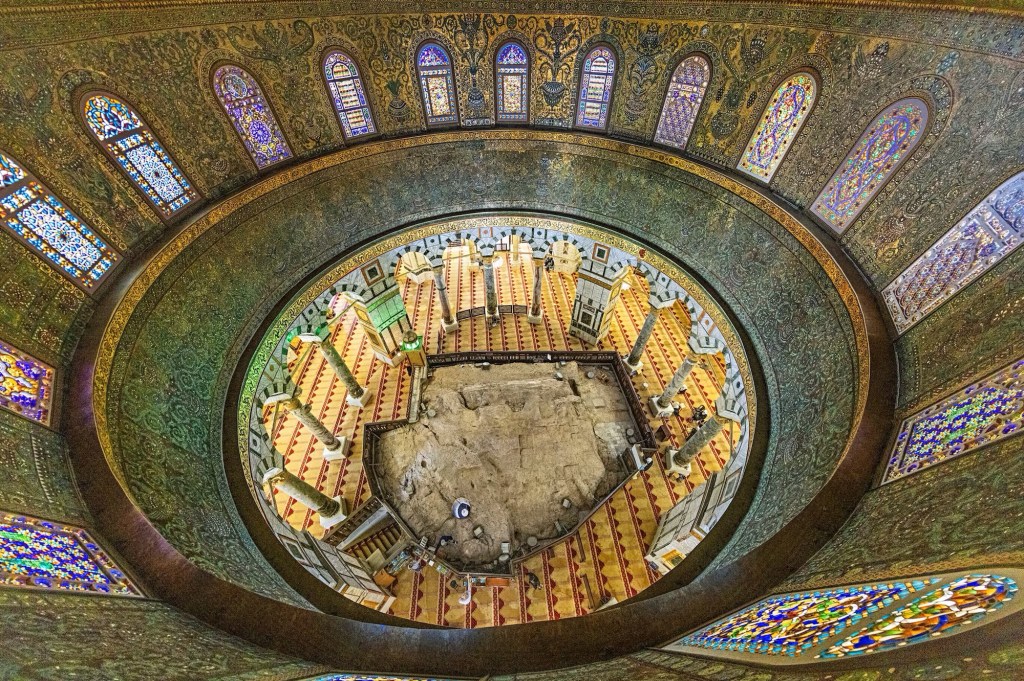
Some scholars believe the Night Journey of the Prophet Muhammad to Heaven is theologically related to Daniel 7 verse 13. How is this argument explained?
The argument connecting the Night Journey of the Prophet Muhammad to Heaven with Daniel 7 verse 13 is based on theological interpretations that draw parallels between the two events. Here’s an explanation of this argument:
1. The Night Journey of Prophet Muhammad (Isra and Mi’raj):
According to Islamic tradition, the Night Journey (Isra) and Ascension (Mi’raj) is a miraculous event in which the Prophet Muhammad was transported from Mecca to Jerusalem and then ascended through the heavens, meeting various prophets and eventually coming into the presence of Allah.
2. Daniel 7 verse 13 in the Bible:
In the Book of Daniel in the Old Testament of the Bible, specifically in Daniel 7 verse 13, there is a prophecy that says: “I saw in the night visions, and behold, with the clouds of heaven there came one like a son of man, and he came to the Ancient of Days (that is, God) and was presented before him.” This verse is often interpreted as a reference to a messianic figure.
The argument connecting these two events revolves around the idea that both the Night Journey of Prophet Muhammad and the vision in Daniel 7 verse 13 involve a figure coming into the presence of God. Some scholars, particularly in comparative religion and interfaith dialogue, suggest that there are thematic similarities between these events:
Divine Revelation:
In both cases, there is a profound encounter with the divine, with the Prophet Muhammad ascending to the highest levels of heaven and the figure in Daniel 7 verse 13 being presented before the “Ancient of Days,” a divine entity.
Prophetic Roles:
The figure in Daniel 7 verse 13 is often associated with a messianic or prophetic role. Similarly, Prophet Muhammad is considered the final prophet in Islam, and his Night Journey is seen as a confirmation of his prophethood.

The Night Journey
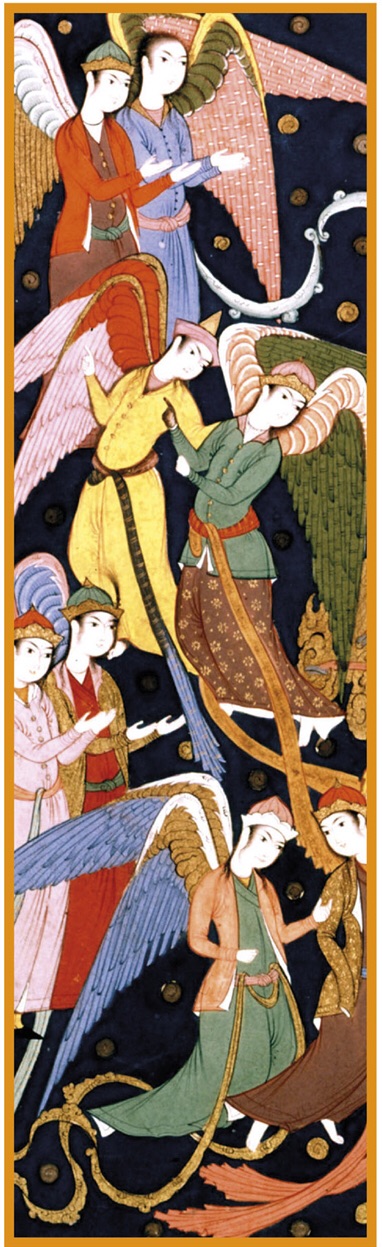
Muhammad’s famous Night Journey, which took place in about the same period as the Hijra, is briefly mentioned in the Quran: “Glory be to Him who made His servant go by night from the Sacred Temple to the farther Temple whose surroundings We have blessed, that We might show him some of Our signs” (17:1). The Prophet’s biographer Ibn Ishaq and various hadith provide more detail. They describe a miraculous night journey (the Isra in Arabic), when he rode a flying steed named Buraq from Mecca to Jerusalem. Once there, he ascended to heaven (the Miraj), where he met many of the great prophets. He was even granted a veiled vision of God, who commanded the Muslim community to pray 50 times a day. When the Prophet requested a more lenient obligation, the number was lowered to five daily prayers. The story serves to ground the importance of Jerusalem in Islam’s sacred geography, provide a basis for the five daily prayers required of Muslims, and affirm the nature of Muhammad as a spiritual guide.
 ABRAHAMIC THEOLOGY