
Azahari Hassim
Some believe that Isaiah 60, verse 7, is related to the Hajj ritual, and is the fulfillment of Hagar’s prophecy regarding Ishmael in Genesis 21, verse 18. How is this interpretation presented?
This is an interesting question. The interpretation that Isaiah 60, verse 7, is related to the Hajj ritual and the fulfillment of Hagar’s prophecy regarding Ishmael is based on the following assumptions:
The verse reads:
“All the flocks of Kedar will be gathered to you, The rams of Nebaioth will serve you; They will go up on My altar with acceptance, And I will glorify My glorious house.”
The flocks of Kedar and the rams of Nebaioth in Isaiah 60, verse 7, refer to the descendants of Ishmael, who was the son of Abraham and Hagar, and the ancestor of the Arabs. Kedar and Nebaioth were two of Ishmael’s sons (Genesis 25, verse 13).
The altar and the glorious house mentioned in Isaiah 60, verse 7, refer to the Kaaba. The Kaaba is a sacred building in Mecca that has a cube shape. Muslims believe it was constructed by Abraham and Ishmael. It serves as the direction of prayer and is also the destination for the Hajj pilgrimage.
The acceptance of the offerings on the altar and the glorification of the house in Isaiah 60, verse 7, refer to Muslims performing their Hajj, known as the Feast of Sacrifice. This sacrifice is performed in remembrance of Prophet Abraham’s willingness to sacrifice his son Ishmael and as a demonstration of submission to Allah’s will.
Furthermore, it is a prophecy of God’s acceptance and blessing of the Ishmaelites, who worship Him at the Kaaba in sincerity and submission, as He promised Hagar in Genesis 21, verse 18,
“I will make him into a great nation.”
This interpretation is presented by some Muslim scholars and commentators, who see it as a proof of the truth and validity of Islam and the Hajj ritual.
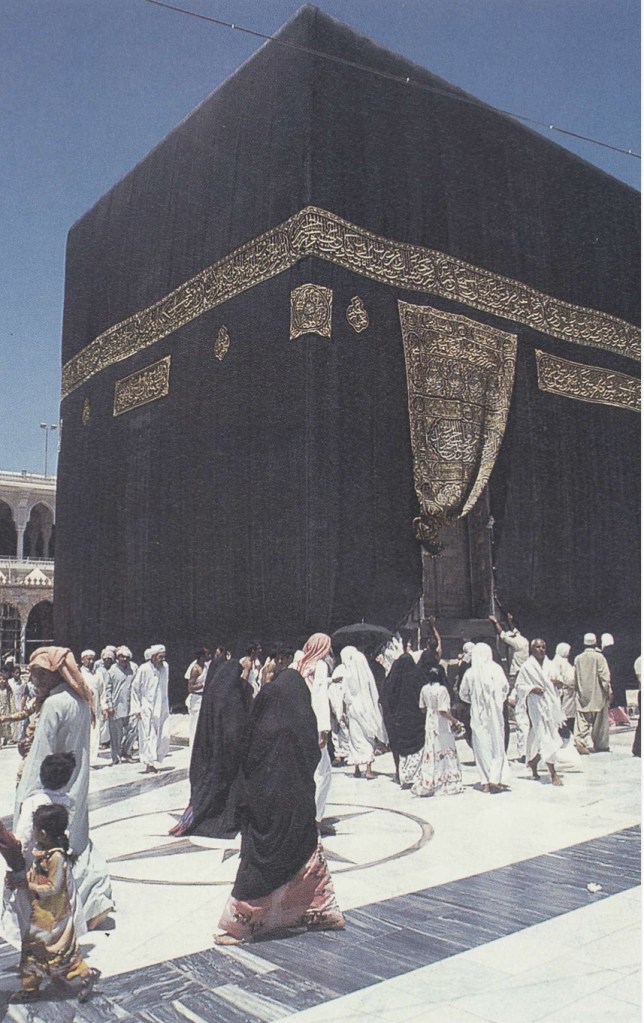
Ibn Battuta 1304 – 1368
“The Kaaba is the most sacred place on Earth, a focal point of devotion for millions of Muslims. To behold it is to feel a profound connection to the divine.”
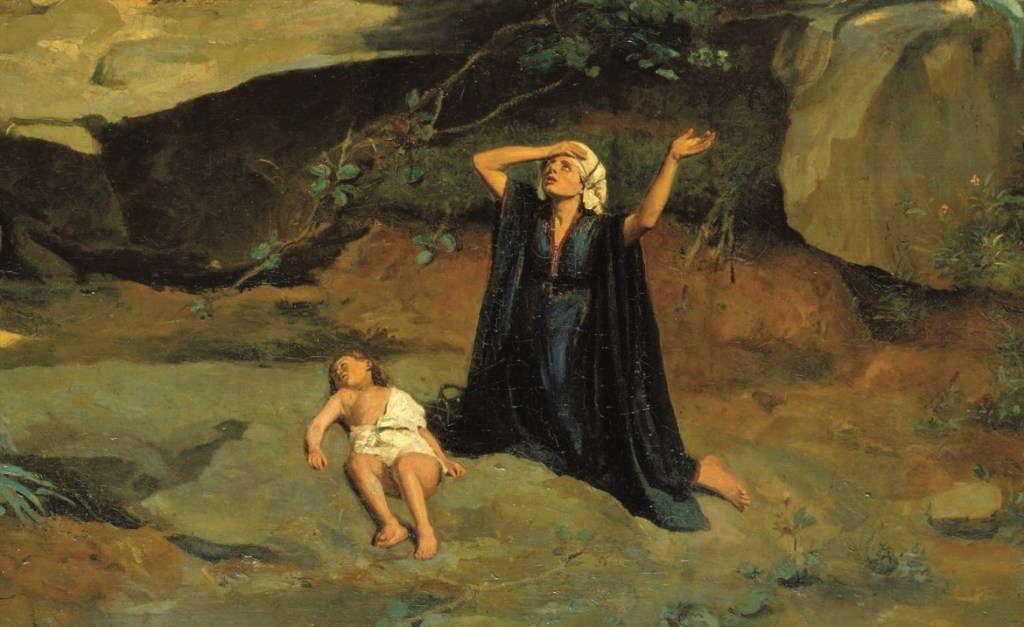
The Prophecy of Hagar and Its Fulfillment: A Comparative Analysis of Genesis 21:18 and Isaiah 60:7
There is a belief that the prophecy of Hagar in Genesis 21, verse 18, holds more weight than Isaiah 60, verse 7, which is linked to and completes the former. How is this understanding conveyed?
The belief that the prophecy of Hagar in Genesis 21, verse 18, holds more weight than Isaiah 60, verse 7, which is linked to and completes the former, can be understood through a close examination of the biblical texts and their contexts. Here’s how this understanding is conveyed:
1. Genesis 21, verse 18 (The Prophecy of Hagar).
This verse is part of the story where God speaks to Hagar after she and her son, Ishmael, are sent away by Abraham. Hagar is distraught, fearing for her son’s life in the desert.
The verse reads: Arise, lift up the lad, and hold him in thine hand; for I will make him a great nation.”
This prophecy directly promises that Ishmael will become a great nation. This is a foundational promise, as it assures Hagar of her son’s future and his importance in God’s plan.
2. Isaiah 60, verse 7 (Completion of the Prophecy).
This chapter of Isaiah deals with the future glory of Zion, depicting a time of great prosperity and the gathering of nations to honor God.
The verse reads: “All the flocks of Kedar shall be gathered together unto thee, the rams of Nebaioth shall minister unto thee: they shall come up with acceptance on mine altar, and I will glorify the house of my glory.”
Both Kedar and Nebaioth are descendants of Ishmael. This verse indicates the fulfillment and continuation of the promise given to Hagar, showing that Ishmael’s descendants will play a significant role in the future worship and honor of God.
3. Interconnection and Weight:
The prophecy in Genesis 21, verse 18, is seen as having “more weight” because it is the initial divine promise regarding Ishmael, establishing his importance and future. It is a direct communication from God to Hagar at a crucial moment. Isaiah 60, verse 7, is viewed as the completion or continuation of this promise. It confirms and elaborates on the fulfillment of God’s plan for Ishmael’s descendants, showing their eventual integration into the worship of God and their contribution to the glory of Zion.
The “weight” of Genesis 21, verse 18, lies in its foundational nature, while Isaiah 60, verse 7, provides a more detailed and expanded vision of the fulfillment of that initial promise.
This understanding is conveyed by recognizing that the original promise to Hagar is the cornerstone of the prophecy concerning Ishmael and his descendants.
The later prophetic vision in Isaiah builds upon this foundation, demonstrating the fulfillment of God’s promise in a broader and more comprehensive way. Therefore, while Isaiah 60, verse 7 is significant in its completion of the prophecy, Genesis 21, verse 18, holds a primary and foundational weight in the narrative.
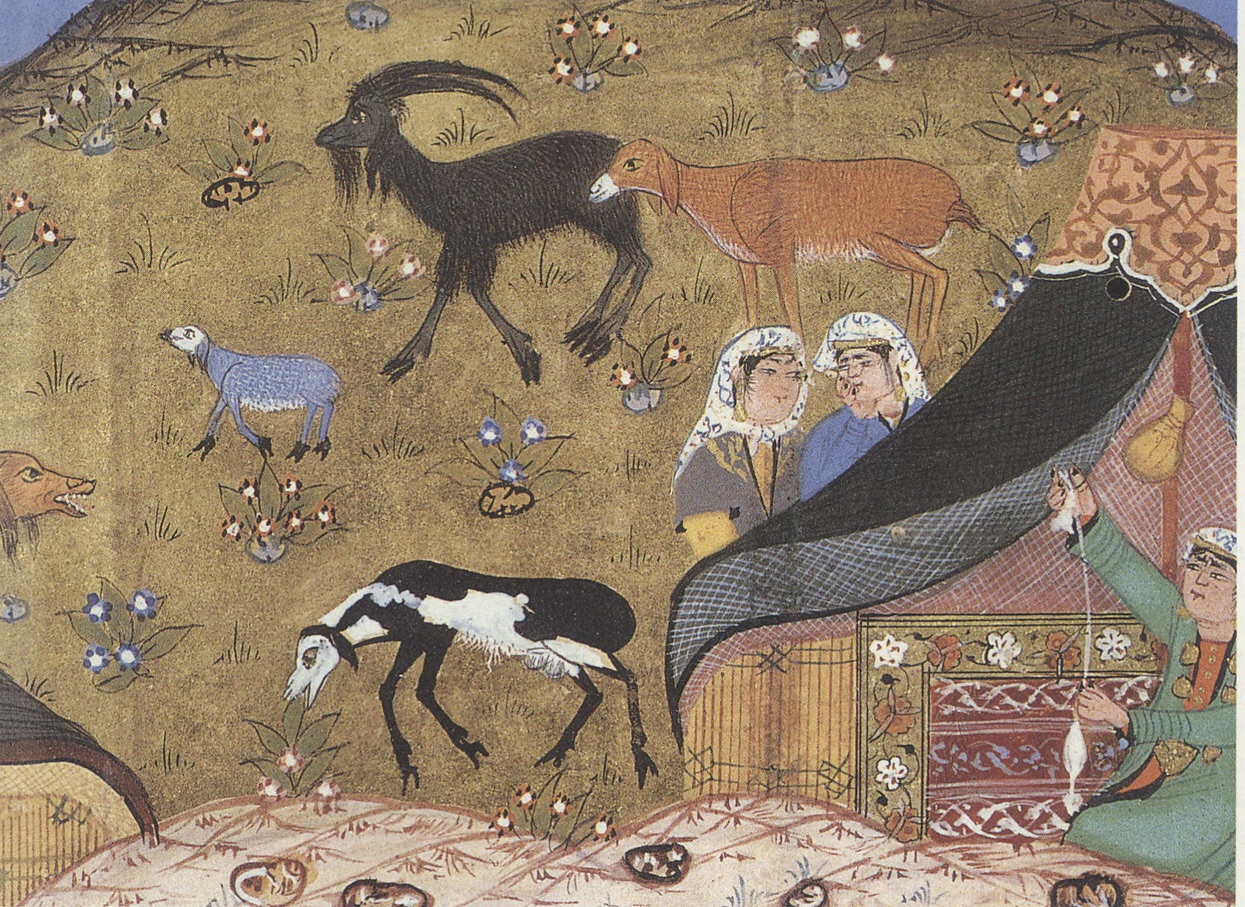
Origins
Muslims believe that the valley of Mecca was chosen by God as a holy place at the beginning of time, and that the first settlement at Mecca was established when the Prophet Abraham was commanded by God to send his wife, Hagar, and their son, Ishmael, into the desert.
This was an act of faith, by which Abraham entrusted his wife and son to God’s care. By the time mother and child had exhausted their supply of water they had reached the spot that was later to become Mecca. Hagar searched for water to quench her child’s thirst, running between two low hills which became known as Safa and Marwah. All the time she prayed to God for help and, in answer to her prayers, a spring of water burst forth miraculously from the dry earth beside the infant child. The spring became known as the well of Zamzam.
According to Muslim tradition, the presence of water attracted some people passing near by on their travels from Yemen. The people made a contract with Hagar for the use of the well, and thus a settlement was established. This was the origin of the first village of Mecca. Muslims believe that Abraham later visited Mecca, and taught the people to worship one God rather than many different idols. At God’s command he built the Kaaba (with the help of Ishmael), and established the rites of pilgrimage. Mecca was soon revered throughout Arabia as a holy place, and the pilgrimage became an annual institution.
 ABRAHAMIC THEOLOGY