
Azahari Hassim
What was Ishmael’s age when he and his mother were sent by Abraham to the desert, according to the Bible and Islamic tradition?
According to the Bible, Ishmael was around 14 years old when he and his mother Hagar were sent by Abraham to the desert. This event is described in the book of Genesis in the Old Testament.
In Islamic tradition, Ishmael is believed to have been a young child, possibly an infant or toddler, when he and Hagar were sent to the desert by Abraham. This event is also mentioned in Islamic texts such as the Quran and Hadiths.
The differences in age between the two traditions can be attributed to variations in interpretations of religious texts and cultural beliefs. Both traditions agree on the basic narrative of Ishmael being sent away with his mother by Abraham, but there are slight discrepancies in details such as his age at that time.

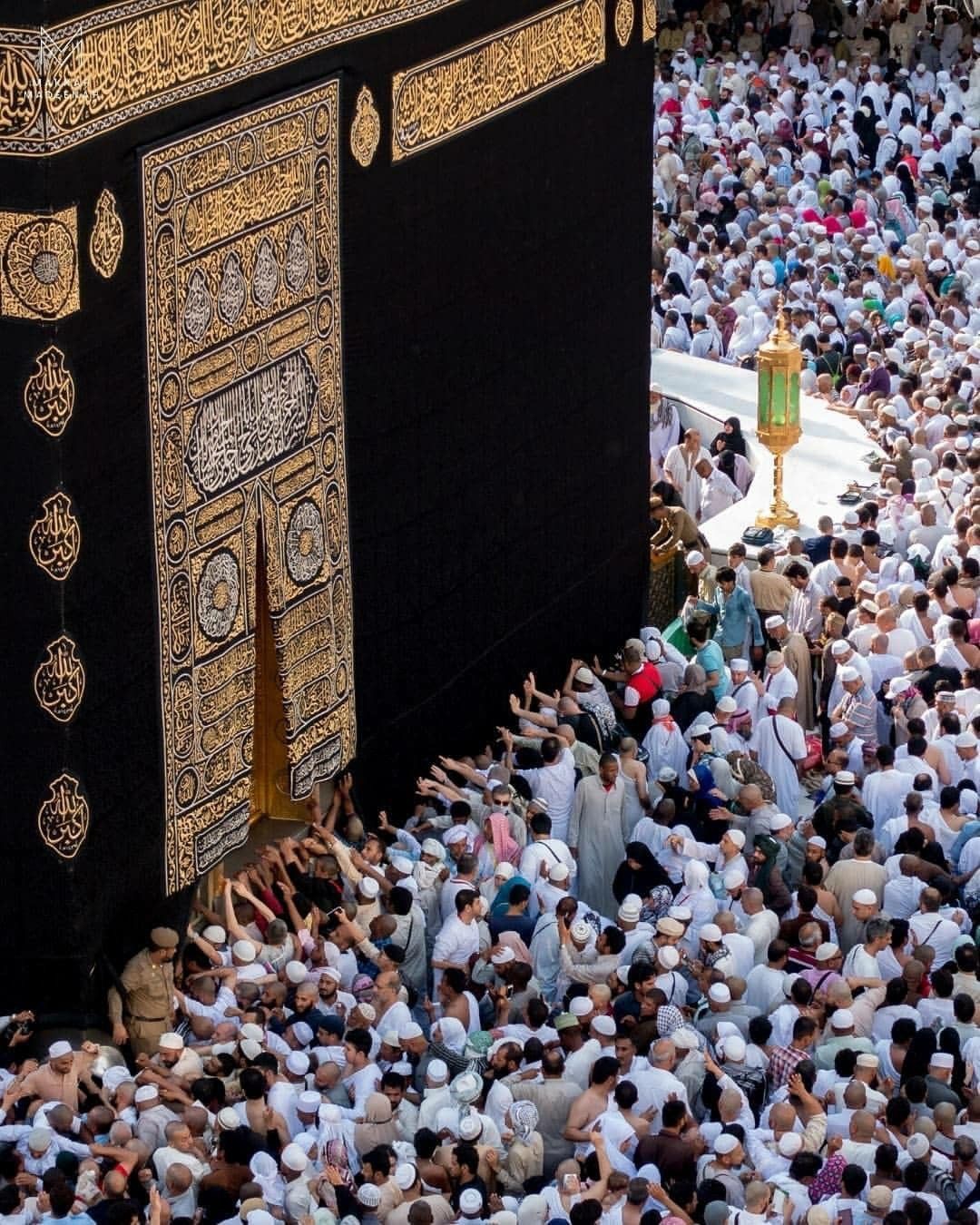
Is Ishmael depicted as an infant in the Hajj ritual of Sa’i when he and his mother were sent to the desert by Abraham?
In the Hajj ritual of Sa’i, Ishmael is depicted as an infant because according to Islamic tradition, he was a baby when he and his mother Hagar were sent to the desert by Abraham. This event is known as the story of Abraham and Hagar in Islam. In this story, Abraham was commanded by God to leave Hagar and baby Ishmael in the barren desert of Mecca with only a small amount of food and water.
As their supplies ran out, Hagar desperately searched for water for her infant son Ishmael until she found the well of Zamzam miraculously provided by God.
The act of Sa’i during Hajj reenacts Hagar’s frantic search for water by walking back and forth between the hills of Safa and Marwah seven times. This ritual symbolizes devotion, perseverance, trust in God’s provision, and the importance of seeking help in times of need.
By depicting Ishmael as an infant during this ritual, it serves as a reminder of his vulnerability and dependence on his mother during their time in the desert. It also highlights their resilience and faith in God’s plan despite facing hardships.
Overall, depicting Ishmael as an infant in the Hajj ritual of Sa’i helps to emphasize important themes such as family bonds, trust in divine providence, perseverance through challenges, and reliance on faith during difficult times.

The Departure of Hagar and Ishmael: Analyzing Biblical Text and Midrash Interpretations
Was Ishmael placed on Hagar’s shoulder by Abraham in Genesis 21 before their departure? Was Ishmael able to walk when Abraham sent him and his mother away? How does the Midrash explain it?
The Midrash provides an interpretation of the events in Genesis 21. According to the Midrash, Ishmael was indeed placed on Hagar’s shoulders, and this act is seen as a demonstration of Hagar’s devotion to her son. However, the Midrash also acknowledges the inconsistency between Ishmael’s age and his physical abilities, suggesting that the text may have been altered or fabricated to fit the narrative.
According to Rashi’s commentary, Ishmael was unable to walk at the time, potentially due to an evil eye cast upon him by Sarah that caused him to become ill. Rashi suggests Abraham placed the teenage Ishmael on Hagar’s shoulder along with their supplies because he was too feeble to walk on his own.
So in summary, while Rashi argues Ishmael was placed on Hagar’s shoulders because he was too ill to walk, this explanation is debated given Ishmael’s age and other details in the text and Midrash. The passage is ambiguous about how Hagar and Ishmael departed together. Alternative interpretations suggest Ishmael was old enough to walk, even if he required some support from his mother.
 ABRAHAMIC THEOLOGY