Azahari Hassim
Torah, Genesis 22 verse 18, reads:
“And in thy seed shall all the nations of the earth be blessed; because thou hast obeyed my voice.”
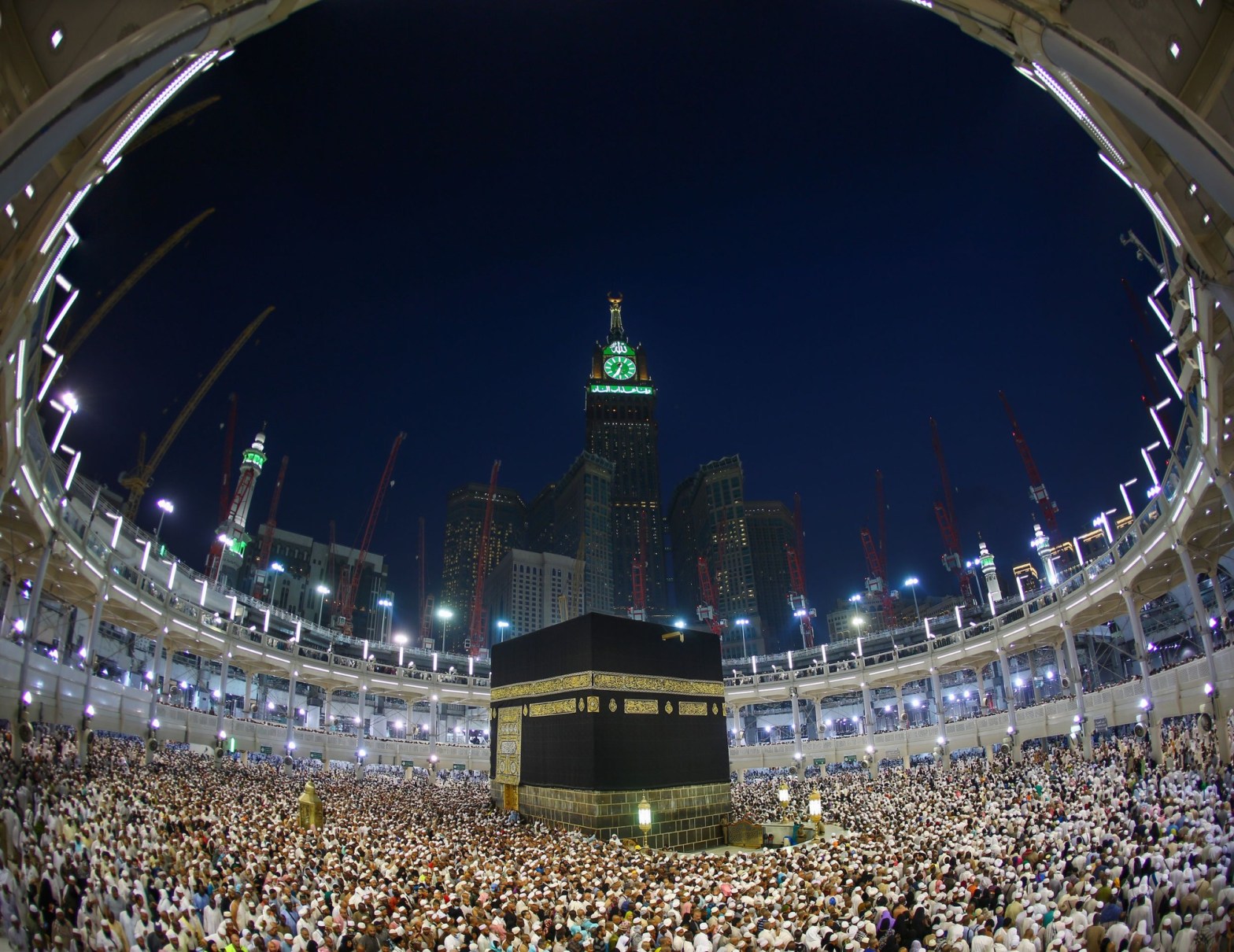
It is believed the event of the Hajj in Mecca is the fulfillment of the biblical prophecy of Genesis 22 verse 18. According to the Islamic belief, Abraham offered Ishmael, not Isaac, as a sacrifice to God, emphasizing Ishmael’s role in fulfilling God’s covenant with Abraham. The event of Hajj proves that God made a covenant with Abraham through Hagar and Ishmael rather than Sarah and Isaac. How is this viewpoint presented?
The viewpoint that the Hajj in Mecca is a fulfillment of the biblical prophecy of Genesis 22 verse 18, and represents a covenant made by God with Abraham through Hagar and Ishmael, rather than Sarah and Isaac, is articulated based on several key aspects of Islamic belief and interpretation of religious texts:
- Prophecy of Genesis 22 verse 18: The verse in Genesis states, “And in thy seed shall all the nations of the earth be blessed; because thou hast obeyed my voice.” Some interpret this as a prophecy that is fulfilled through the descendants of Ishmael, Abraham’s son with Hagar. The Islamic narrative holds that it was Ishmael, not Isaac, who was offered by Abraham as a sacrifice to God. This signifies Ishmael’s importance in the fulfillment of God’s covenant with Abraham. The Hajj, as a major Islamic ritual commemorating the actions of Abraham and Ishmael, is seen as a manifestation of this blessing.
- The Hajj and Ishmael’s Legacy: In Islamic tradition, the Hajj includes rituals that are believed to commemorate the life and trials of Abraham and his son Ishmael. The ritual of Sa’i, where pilgrims travel back and forth between the hills of Safa and Marwah, is seen as a re-enactment of Hagar’s desperate search for water for her infant son Ishmael. According to Islamic belief, the well of Zamzam originated to rescue baby Ishmael.
- The Kaaba and Islamic Tradition: The Kaaba in Mecca, which is the focal point of the Hajj, is believed in Islamic tradition to have been built by Abraham and Ishmael as a house of worship to the one true God. This act of establishing monotheism in the region is viewed as a key part of fulfilling God’s covenant with Abraham.
- Universal Blessing and Unity of Humankind: The Hajj is seen as a fulfillment of God’s promise to bless all nations through Abraham’s descendants. The gathering of millions of Muslims from diverse nations during Hajj is viewed as a symbol of this blessing and the unity of humankind under God’s guidance.
- Continuity of Abrahamic Tradition: The Hajj is also seen as a continuation and fulfillment of the Abrahamic tradition of monotheism. This perspective posits that Islam, as the final revelation in the Abrahamic tradition, fulfills and perfects earlier revelations given to Jews and Christians.
This viewpoint is part of the broader Islamic interpretation of religious history, which sees Islam as both a continuation and a completion of the monotheistic tradition established by Abraham.
Mecca
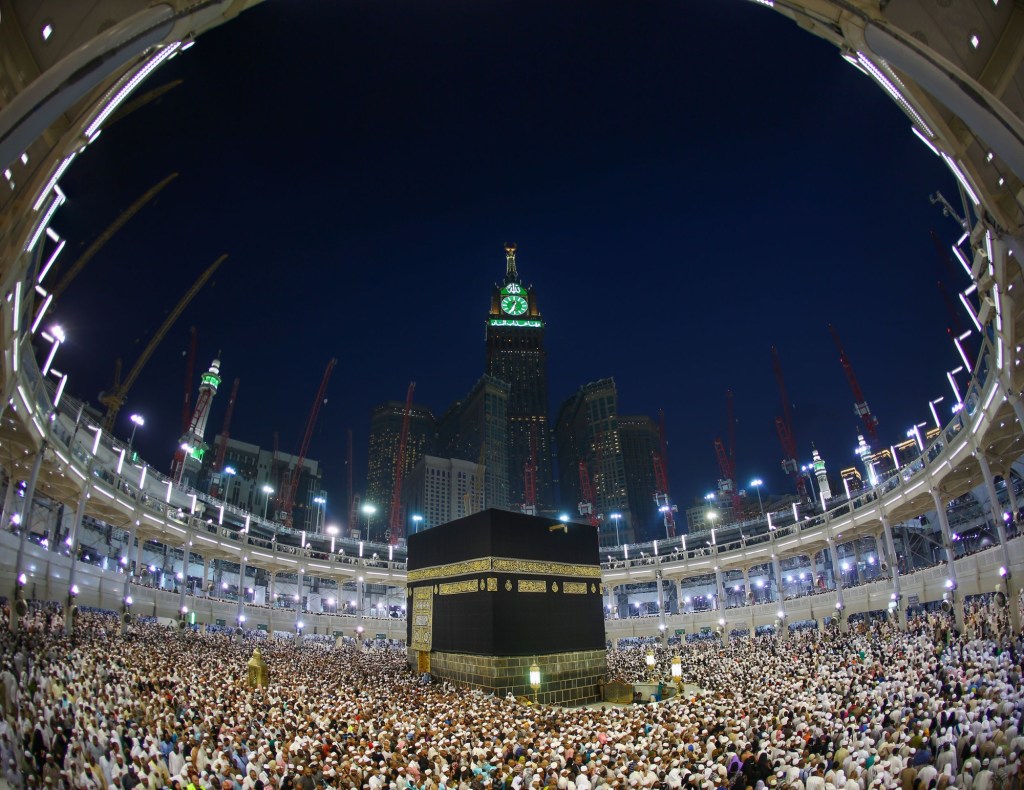
Muslims believe that the valley of Mecca was chosen by God as a holy place at the beginning of time, and that the first settlement at Mecca was established when the Prophet Abraham was commanded by God to send his wife, Hagar, and their son, Ishmael, into the desert. This was an act of faith, by which Abraham entrusted his wife and son to God’s care.
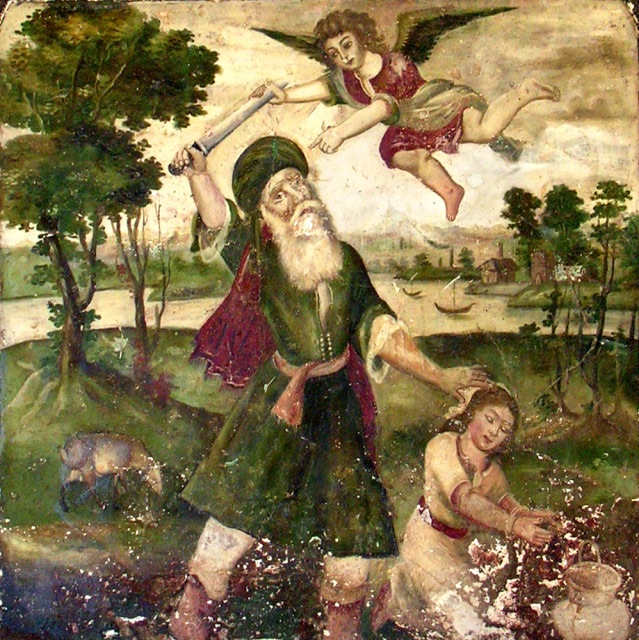
Abraham’s Sacrifice: An Islamic Perspective on Potential Scribal Interpolation in Genesis 22
Micah 6, verse 7, reads:
“Will the Lord be pleased with thousands of rams, with ten thousand rivers of olive oil? Shall I offer my firstborn for my transgression, the fruit of my body for the sin of my soul?“
Jeremiah 8, verse 8, reads:
“’How can you say, “We are wise, for we have the law of the Lord,” when actually the lying pen of the scribes has handled it falsely?“
Several Islamic scholars believe Micah 6, verse 7, and Jeremiah 8, verse 8, may reflect a scribal interpolation of Isaac’s name in Genesis 22. The son who was nearly sacrificed is believed to have been Ishmael, not Isaac. What is the articulation of their argument?
The argument presented by some Islamic scholars regarding the potential scribal interpolation of Isaac’s name in Genesis 22 is based on several key points:
- Quranic perspective: The Quran mentions the story of Abraham being commanded to sacrifice his son but does not explicitly name the son. Islamic tradition generally holds that it was Ishmael, not Isaac, who was to be sacrificed.
- Textual analysis of Micah 6, verse 7: This verse states, “Shall I give my firstborn for my transgression, the fruit of my body for the sin of my soul?” Some Islamic scholars interpret this as a reference to the sacrifice story and argue that since Ishmael was Abraham’s firstborn, this verse supports the idea that Ishmael was the intended sacrifice.
- Interpretation of Jeremiah 8, verse 8: This verse reads, “How can you say, ‘We are wise, for we have the law of the Lord,’ when actually the lying pen of the scribes has handled it falsely?” Islamic scholars use this to suggest that scribes may have altered biblical texts, potentially including the story of Abraham’s sacrifice.
- Historical context: Some scholars suggest that the emphasis on Isaac in Jewish traditions may have led to a gradual change in the story, resulting in Isaac’s name being added to the biblical narrative.
- Linguistic analysis: Some scholars examine the original Hebrew text and argue that there are inconsistencies or ambiguities that could support the idea of later interpolation.
- Theological implications: The argument often ties into broader Islamic theological perspectives on the role and significance of Ishmael in the Abrahamic tradition.
It is crucial to emphasize that this perspective is not universally embraced by scholars of comparative religion, and it is just one interpretation within a multifaceted interfaith discussion. The argument relies heavily on interpretation and inference, as there is no direct textual evidence of interpolation in the Genesis account itself.
This perspective challenges traditional Jewish and Christian understandings of the text and highlights the different ways sacred texts can be interpreted across religious traditions.
Interpreting the ‘Seed’: The Debate Over Jesus’ Mission and Genesis 22:18
Some believe that the “seed” mentioned in Genesis 22, verse 18, is not Jesus because of his statement in Matthew 15, verse 24. How is this argument articulated?
The argument concerning the “seed” mentioned in Genesis 22, verse 18, and Jesus’ statement in Matthew 15, verse 24, involves interpreting biblical texts and understanding the scope of Jesus’ mission according to the New Testament.
In Genesis 22, verse 17 to 18, God promises Abraham,
“I will surely bless you and make your descendants as numerous as the stars in the sky and as the sand on the seashore. Your descendants will take possession of the cities of their enemies, and through your offspring (seed) all nations on earth will be blessed, because you have obeyed me.”
This promise, particularly the part about “through your offspring all nations on earth will be blessed,” is seen by Christians as a messianic prophecy referring to Jesus Christ. The argument that it refers to Jesus is supported by passages in the New Testament, such as Galatians 3, verse 16, where Paul explicitly identifies Christ as the “seed” to whom the promise was made.
However, some argue that the “seed” mentioned in Genesis cannot be Jesus based on His statement in Matthew 15, verse 24. In this passage, Jesus says,
“I was sent only to the lost sheep of Israel.”
This statement is made in the context of Jesus initially refusing to help a Canaanite woman who asks Him to heal her demon-possessed daughter. Jesus’ declaration of being sent only to the lost sheep of Israel is interpreted by some as evidence that His mission was exclusively to the Jewish people, not to all nations.
Thus, the argument against Jesus being the “seed” mentioned in Genesis 22, verse 18, is articulated by pointing out a perceived contradiction between the universal blessing promised to Abraham’s seed (implying a mission to all nations) and Jesus’ own words limiting His mission to the Israelites.
Critics of the view that Jesus is the fulfillment of the Genesis prophecy might argue that if Jesus Himself stated His mission was only to the Israelites, then He cannot be the “seed” through whom all nations on earth are blessed, as described in Genesis.
In summary, based on Jesus’ statement, some believe that Jesus saw his mission primarily as being directed towards the Jewish people and not necessarily towards all humanity. Therefore, they argue that it is unlikely for Jesus to be directly linked to the “seed” promised to Abraham in Genesis 22, verse 18.
What is Hajj?
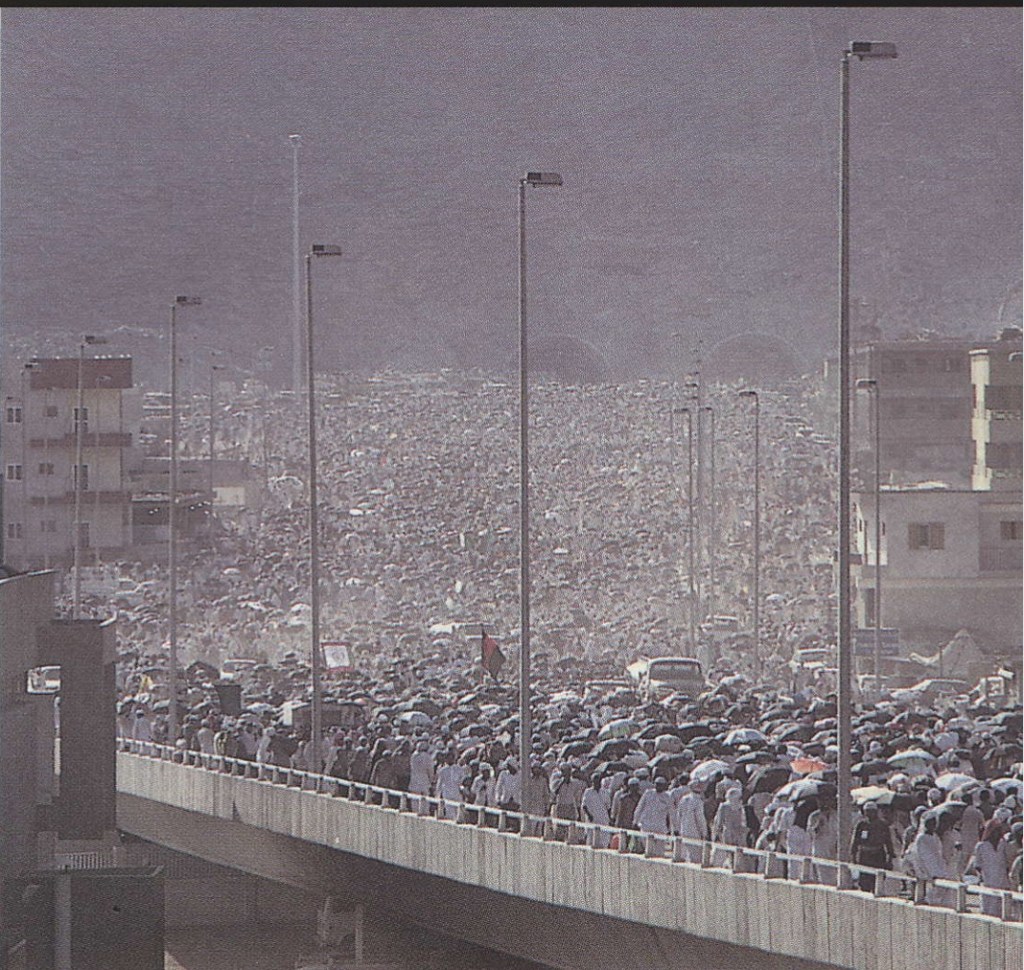
Hajj is an annual Islamic pilgrimage to Mecca, the holiest city for Muslims, located in Saudi Arabia. It is one of the Five Pillars of Islam, which are the five basic acts of worship that are considered the foundation of a Muslim’s faith and practice.
The Hajj pilgrimage is mandatory for all adult Muslims who are physically and financially capable of undertaking the journey at least once in their lifetime.
Hajj takes place during the Islamic month of Dhu al-Hijjah, specifically between the 8th and the 12th days. During the pilgrimage, Muslims perform a series of rituals that include:
1. Ihram: Donning a special white garment that symbolizes purity and equality before God.
2. Tawaf: Circumambulating the Kaaba, the cube-shaped building at the center of the Masjid al-Haram in Mecca, seven times in a counterclockwise direction.
3. Sa’i: Walking seven times between the hills of Safa and Marwah, just as Hagar did in search of water for her infant son Ishmael.
4. Standing at Arafat: Spending the afternoon at the plain of Arafat, praying and reflecting. This is considered the climax of the Hajj.
5. Muzdalifah: Collecting pebbles at Muzdalifah to be used in the ritual of the stoning of the devil.
6. Ramy al-Jamarat: Throwing the collected pebbles at three pillars in Mina, symbolizing the rejection of evil.
7. Sacrifice: Performing the sacrifice of an animal (usually a sheep, goat, or cow), commemorating the willingness of Abraham to sacrifice his son Ishmael as an act of obedience to God.
8. Tawaf al-Ifadah: Another circumambulation of the Kaaba, which signifies the completion of Hajj.
9. Shaving/Cutting Hair: Men typically shave their heads or cut a portion of their hair, and women cut a small portion of their hair, symbolizing a new beginning.
These rituals are deeply symbolic and are meant to demonstrate the unity of the Muslim Ummah (community) and their submission to Allah.
 ABRAHAMIC THEOLOGY